Rituals of Pitru Paksha – Offering to Ancestors
In Hindu tradition, family bonds extend beyond the physical world, connecting the living with their departed ancestors. One of the most sacred periods dedicated to this connection is Pitru Paksha, also known as the fortnight of the ancestors. During this time, Hindus perform special rituals to honor and repay their forefathers for guiding and blessing the family lineage.
Pitru Paksha occurs in the lunar month of Bhadrapada (September–October) and lasts for 15 days. It is believed that during this period, the souls of ancestors (pitrs) visit the earthly realm to bless their descendants. By performing Shraddha, Tarpan, and Pind Daan, devotees express gratitude, seek forgiveness, and ensure peace for their departed family members.
The Significance of Pitru Paksha
According to Hindu scriptures such as the Garuda Purana and Mahabharata, performing rituals during Pitru Paksha helps repay the Pitru Rin (ancestral debt). Hindus believe that every individual is born with three debts—towards the gods (Deva Rin), sages (Rishi Rin), and ancestors (Pitru Rin). Paying homage to ancestors during Pitru Paksha is a way of fulfilling the Pitru Rin.
It is also believed that offering Shraddha during this period ensures blessings for health, prosperity, and spiritual growth, while neglecting it may bring obstacles and misfortune.
Key Rituals of Pitru Paksha
Pitru Paksha involves several sacred rituals that vary across regions but follow common principles of reverence and offering. The main ones are:
1. Shraddha
Shraddha is the core ritual of Pitru Paksha. It is a symbolic act of feeding the ancestors by offering food to Brahmins or priests. The ritual includes:
-
Preparing specific dishes like kheer, puri, dal, and seasonal vegetables.
-
Offering food in silver or copper vessels while chanting mantras.
-
Feeding crows, cows, and dogs, which are considered messengers of ancestors.
Shraddha is usually performed on the tithi (lunar day) corresponding to the ancestor’s death.
2. Tarpan
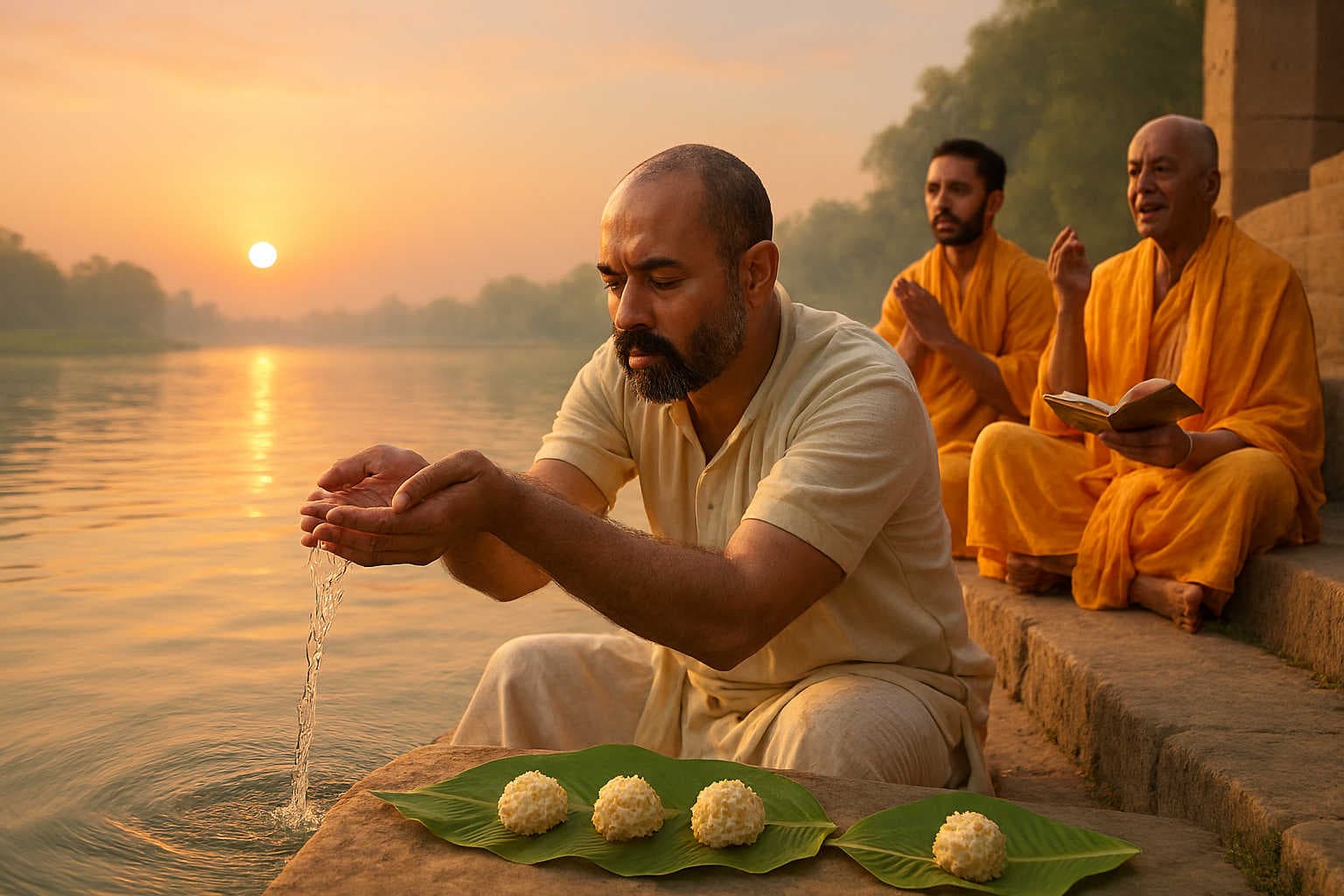
Tarpan means “libation” and involves offering water mixed with black sesame seeds, barley, and kusha grass. The devotee pours this water while reciting mantras, symbolizing nourishment for the souls of the departed. It is believed that water offerings reach the ancestors directly, quenching their spiritual thirst.
3. Pind Daan
Pind Daan is one of the most important rituals of Pitru Paksha. Pindas are round balls made of rice, barley flour, honey, and black sesame seeds. These are offered to the ancestors on banana leaves or in flowing water. The pinds symbolize the physical body, and offering them ensures the soul’s liberation from earthly ties.
Traditionally, Pind Daan is performed at sacred sites like Gaya (Bihar), Haridwar, Varanasi, and Allahabad (Prayagraj).
4. Feeding and Charity
The rituals conclude with feeding Brahmins, offering clothes, and donating food, grains, or money to the poor. This act of charity is considered essential, as it reflects the passing of blessings from ancestors to the needy in society.
Guidelines and Customs of Pitru Paksha
-
Who performs the rituals? Generally, the eldest son of the family carries out the Shraddha, though other male members may also perform it. In modern times, women too observe fasting and rituals to honor ancestors.
-
Fasting and food restrictions: Devotees often avoid consuming non-vegetarian food, alcohol, onion, and garlic during Pitru Paksha as a mark of purity.
-
Daily prayers: Many families recite the Bhagavad Gita or Ramayana and light a diya to invite ancestral blessings.
-
Symbolic foods: Kheer made of rice and milk is considered especially sacred and is offered during Shraddha.
Mythological Reference
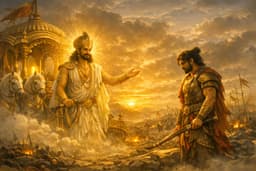
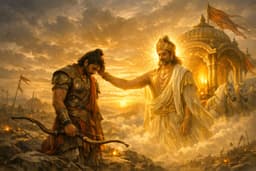
One of the most well-known stories about Pitru Paksha comes from the Mahabharata. After Karna died, his soul ascended to heaven but found only jewels instead of food. Surprised, he asked Yama, the god of death, why he was denied food. Yama explained that though Karna donated gold and jewels generously in his lifetime, he never offered food to his ancestors. To correct this, Karna was allowed to return to earth for 15 days, during which he performed Shraddha and Tarpan to satisfy his forefathers. This period is said to have become the Pitru Paksha.
Spiritual and Social Importance
Pitru Paksha is more than a ritual—it is an act of remembrance, humility, and continuity. It:
-
Strengthens the bond between generations.
-
Teaches gratitude towards those who came before us.
-
Encourages charity and feeding the needy.
-
Aligns with the Hindu principle of dharma (duty).
Even in today’s fast-paced life, many families make it a point to observe Pitru Paksha, as it keeps alive the cultural value of respecting elders and acknowledging the lineage that has shaped us.
Conclusion
The rituals of Pitru Paksha reflect the deep spiritual belief that life does not end with death, but continues in another form. By performing Shraddha, Tarpan, and Pind Daan, Hindus ensure that their ancestors are remembered, nourished, and at peace.
It is a reminder that gratitude is not limited to the living but also extends to those who walked before us. Pitru Paksha thus becomes not just a religious obligation but a spiritual bridge connecting generations—past, present, and future.