Vairagya – Renunciation Without Running Away
Vairagya is one of the most essential pillars of spiritual growth in Sanatan Dharma. Often misunderstood as abandoning one’s family, society, or duties, Vairagya actually refers to inner renunciation—a deep freedom from attachment, craving, and emotional dependency. It is not about escaping from life; it is about engaging with life without being enslaved by desires, fears, and expectations. The Bhagavad Gita, the Upanishads, and the teachings of ancient sages all highlight that true Vairagya is the state where external situations no longer disturb the peace of the inner Self.
What Is Vairagya?
The Sanskrit word Vairagya comes from vi (without) and raga (attachment, passion). It means standing in inner balance, where one’s joy is not dependent on objects, people, situations, or outcomes. When the mind loses fascination for temporary pleasures and turns inward toward the Real, Vairagya begins to blossom naturally.
The Gita calls this state “vairāgyaṃ samupāśritaḥ”—a firm establishment in detachment combined with wisdom.
Why Renunciation Does Not Mean Running Away
In spiritual literature, running away from responsibilities is called phalgu vairagya—a shallow or false detachment. True renunciation happens in the mind, not in physical withdrawal.
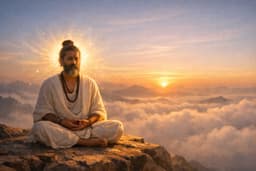
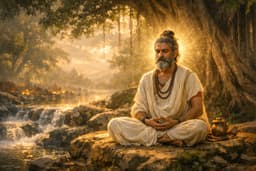
A person may live in the forest but still be deeply attached to thoughts, emotions, fears, and memories. Similarly, someone may live in the middle of a busy household and yet maintain perfect Vairagya by remaining inwardly free.
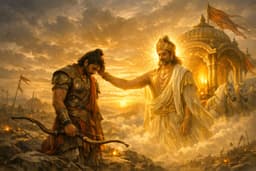
Krishna teaches Arjuna not to abandon the battlefield but to perform his duty without attachment. This shows that Vairagya is psychological, not geographical.
Signs of True Vairagya
-
Emotional Stability
Pleasure and pain come and go, but the mind remains steady. -
No Dependency on External Validation
Praise does not inflate the ego, and criticism does not crush it. -
Reduced Desires
Not through suppression, but through maturity—one simply loses taste for the unreal. -
Freedom from Anxiety
Because one no longer clings to outcomes or fears loss. -
Living in the Present
Vairagya dissolves regret about the past and worry about the future.
Biblical Roots in Sanatan Dharma
The Upanishads say:
“Parikṣya lokān… vairāgyam āyāt.”
After observing the nature of life, one naturally develops disinterest in the transient.
Everything in the world is subject to change—relationships, possessions, physical beauty, social status, and even the body. When this truth becomes deeply realized, Vairagya arises effortlessly. This understanding turns the seeker inward toward the unchanging Self.
Two Types of Vairagya
-
Smashana Vairagya – temporary detachment arising from shock, grief, or disappointment
-
Nitya Vairagya – steady and lifelong detachment rooted in clarity and inner maturity
The scriptures encourage seekers to cultivate Nitya Vairagya, for only that leads to liberation.
Vairagya in the Bhagavad Gita
Krishna repeatedly instructs Arjuna to act with Vairagya:
-
Perform duty without attachment.
-
Offer outcomes to the Divine.
-
Remain unaffected by success or failure.
Krishna emphasizes that detachment is the key to mental freedom and spiritual realization. When the mind is not scattered by cravings or fears, it becomes sharp, peaceful, and capable of perceiving the Atman within.
How to Cultivate Vairagya
Vairagya is not achieved overnight—it is a gradual flowering. Some effective ways include:
1. Viveka (Discernment)
Understanding the difference between the temporary and the eternal gives birth to Vairagya. When the seeker realizes that no object can give lasting happiness, the grip of desire naturally loosens.
2. Observation of the Mind
Watching thoughts come and go helps one recognize that desires are just momentary waves, not commands to obey.
This awareness weakens attachment.
3. Mindful Enjoyment
Vairagya does not mean rejecting experiences but enjoying them without clinging. When one enjoys life without dependency, detachment effortlessly grows.
4. Control of the Senses
The Kathopanishad compares senses to wild horses. Through discipline—like mindful eating, moderation, or meditation—the senses become balanced.
5. Devotion and Surrender
Bhakti melts the ego. When one places trust in the Divine, the anxiety of “I must control everything” dissolves.
Vairagya in Daily Life
You don’t need to leave your home or job to practice Vairagya. You can:
-
Love others without possessing them
-
Work sincerely without attachment to results
-
Enjoy comforts without dependency
-
Accept success and failure with equal calm
-
Allow life to unfold without obsessive control
Living in the world with inner independence is the highest form of Vairagya.
Vairagya and Inner Freedom
Attachment causes fear, grief, jealousy, anger, and restlessness. When attachments loosen, these mental disturbances fade. The mind becomes lighter, more spacious, and capable of silence.
Vairagya brings a beautiful inner freedom—freedom from compulsions, restlessness, cravings, and emotional turbulence.
Vairagya as the Doorway to Self-Realization
The Upanishads declare that only a mind free from attachments can experience the Atman. Attachment binds; Vairagya liberates. Without Vairagya, meditation remains shallow. With Vairagya, the mind becomes refined enough to perceive the Truth.
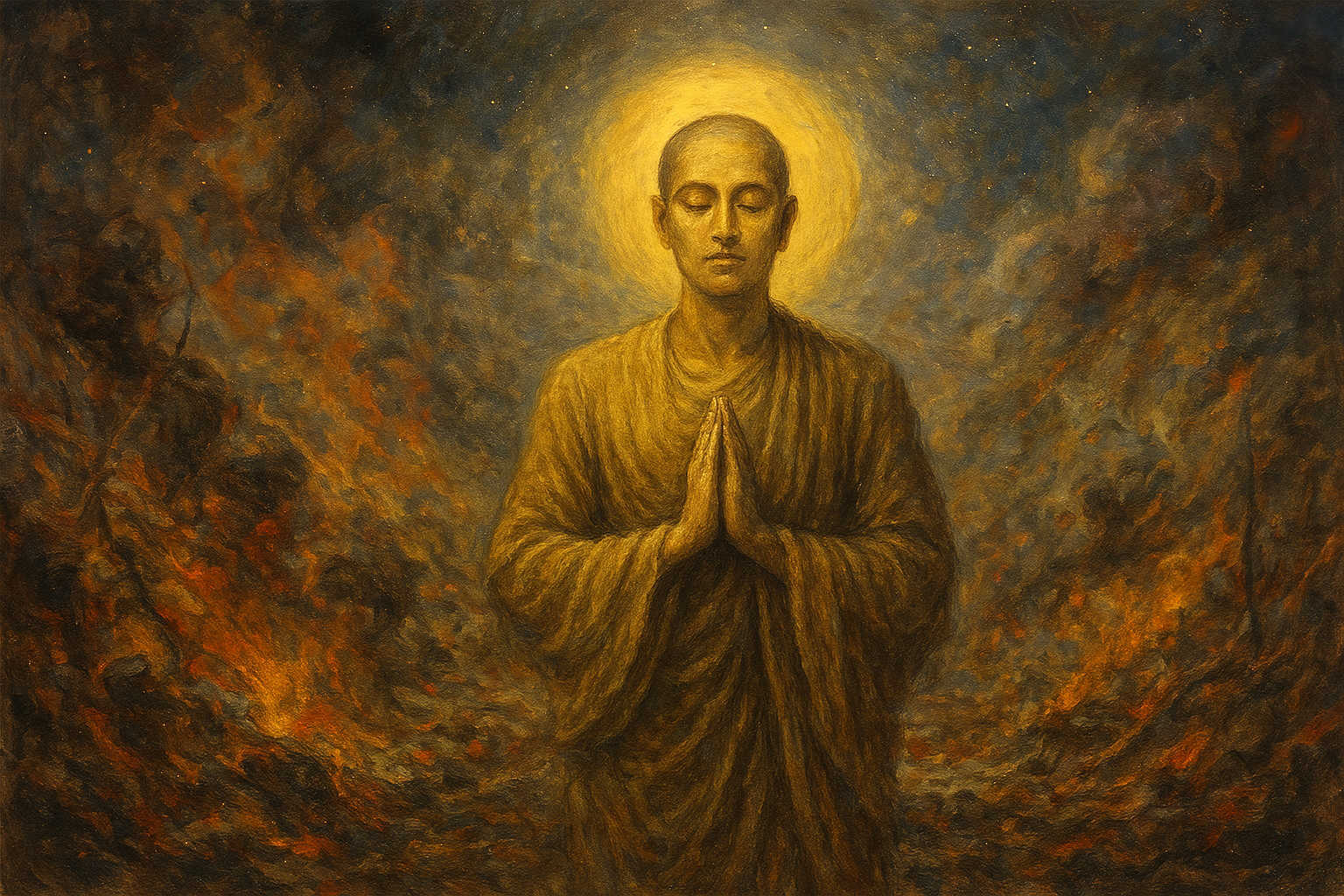
Ultimately, Vairagya is not a rejection of life—it is liberation from dependence on life’s changing forms. It is the foundation upon which spiritual wisdom blossoms.