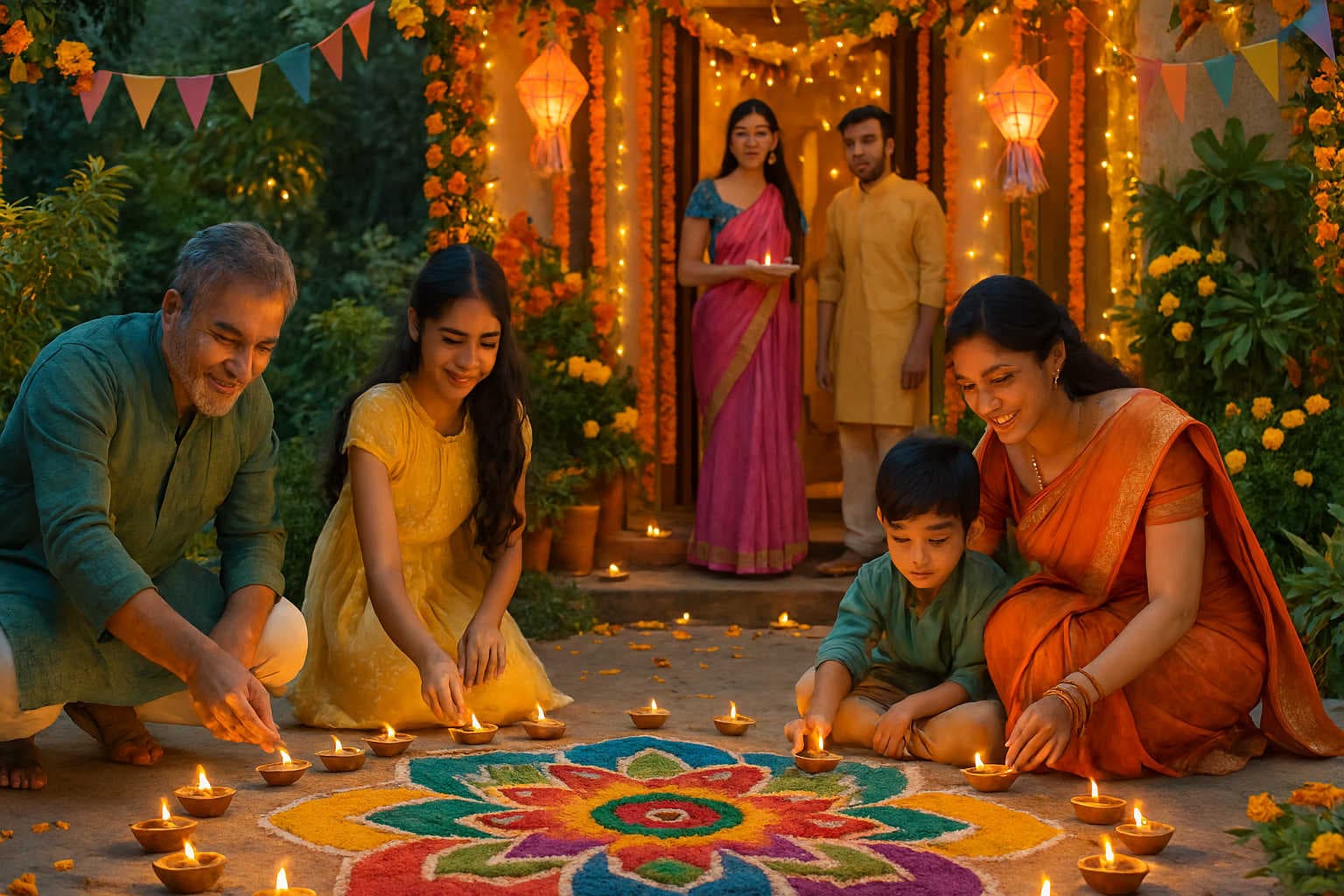
How to Celebrate Diwali Eco-Friendly Way
Diwali—the Festival of Lights—is a time of joy, togetherness, and celebration. Homes are decorated with diyas, streets glow with festive lights, and the aroma of delicious sweets fills the air. However, in recent years, this beautiful festival has also become associated with excessive pollution, waste, and environmental damage, largely due to firecrackers, plastic decorations, and overconsumption.
The good news? You can enjoy the beauty of Diwali while being kind to nature. Celebrating an eco-friendly Diwali not only helps protect the environment but also keeps alive the festival’s original spirit of light, purity, and harmony.
Why Eco-Friendly Diwali Matters
Diwali was traditionally celebrated with oil lamps, natural decorations, and community gatherings, but modernization has brought harmful practices:
-
Air Pollution: Firecrackers release harmful gases like sulfur dioxide, carbon monoxide, and nitrogen oxides.
-
Noise Pollution: Loud explosions can distress the elderly, children, pets, and wildlife.
-
Waste Generation: Non-biodegradable plastic decorations and packaging contribute to land pollution.
-
Resource Waste: Excessive electricity use for lighting increases carbon footprint.
By choosing greener ways to celebrate, you help ensure that future generations can enjoy a cleaner, safer Diwali.
Practical Ways to Celebrate Diwali the Eco-Friendly Way
1. Say No to Firecrackers
Firecrackers may be flashy, but their environmental cost is huge.
-
Impact: They worsen air quality, especially for asthma patients and the elderly.
-
Alternative: Celebrate with diyas, candles, and sky lanterns for a magical atmosphere without smoke.
2. Use Clay Diyas Instead of Electric Lights
Clay diyas are traditional, beautiful, and eco-friendly.
-
Benefits: They use less electricity, support local artisans, and create a warm natural glow.
-
Tip: Use ghee or mustard oil instead of paraffin-based wax.
3. Decorate with Nature-Inspired Elements
Skip plastic garlands and synthetic decorations.
-
Alternatives: Fresh flowers, banana leaves, mango leaves, paper streamers, and fabric buntings.
-
Bonus: These decorations are biodegradable and add a traditional charm.
4. Opt for Natural Rangoli Colors
Synthetic colors often contain harmful chemicals that can seep into the soil.
-
Alternatives: Use turmeric, rice flour, beetroot powder, coffee powder, and flower petals for vibrant patterns.
5. Choose Sustainable Gifts
Gift-giving is a big part of Diwali, but you can make it eco-friendly.
-
Ideas: Potted plants, handmade soaps, organic food hampers, reusable kitchenware, or locally crafted items.
-
Tip: Wrap gifts in cloth or recycled paper instead of plastic wrapping sheets.
6. Reduce Electricity Consumption
Diwali lighting is beautiful, but excessive usage wastes energy.
-
Alternative: Switch to LED lights and solar-powered string lights.
-
Tip: Limit lighting hours to evenings to save power.
7. Organize a Community Clean-Up
The day after Diwali often leaves streets littered with cracker remnants and waste.
-
Idea: Plan a clean-up drive with neighbors to keep your surroundings clean.
-
Benefit: It encourages community bonding and responsibility.
8. Support Local Artisans and Small Businesses
Instead of buying mass-produced, plastic-heavy items, purchase from local craftspeople.
-
Impact: This supports livelihoods and reduces the carbon footprint of imported goods.
Benefits of an Eco-Friendly Diwali
-
Cleaner Air and Water: Less pollution means a healthier environment.
-
Reduced Health Risks: Avoiding crackers prevents respiratory problems and hearing damage.
-
Lower Waste: Biodegradable decorations and gifts cut down on landfill waste.
-
Cultural Preservation: Traditional ways of celebrating keep the true essence of Diwali alive.
Spreading the Message
Your eco-friendly celebration can inspire others. Share your sustainable ideas on social media, invite friends to participate in green activities, and educate children about the importance of caring for nature.
Final Thoughts
Diwali is meant to celebrate the victory of light over darkness, knowledge over ignorance, and good over evil. By making eco-conscious choices, you extend that victory to the environment. Lighting an earthen lamp, decorating with flowers, and spending time with loved ones can be just as magical—if not more—than a noisy, polluted celebration.
When you choose an eco-friendly Diwali, you honor not just tradition but also the planet that sustains all life. This year, let’s light up hearts, not the sky with smoke.