The Science Behind Fasting on Maha Shivratri
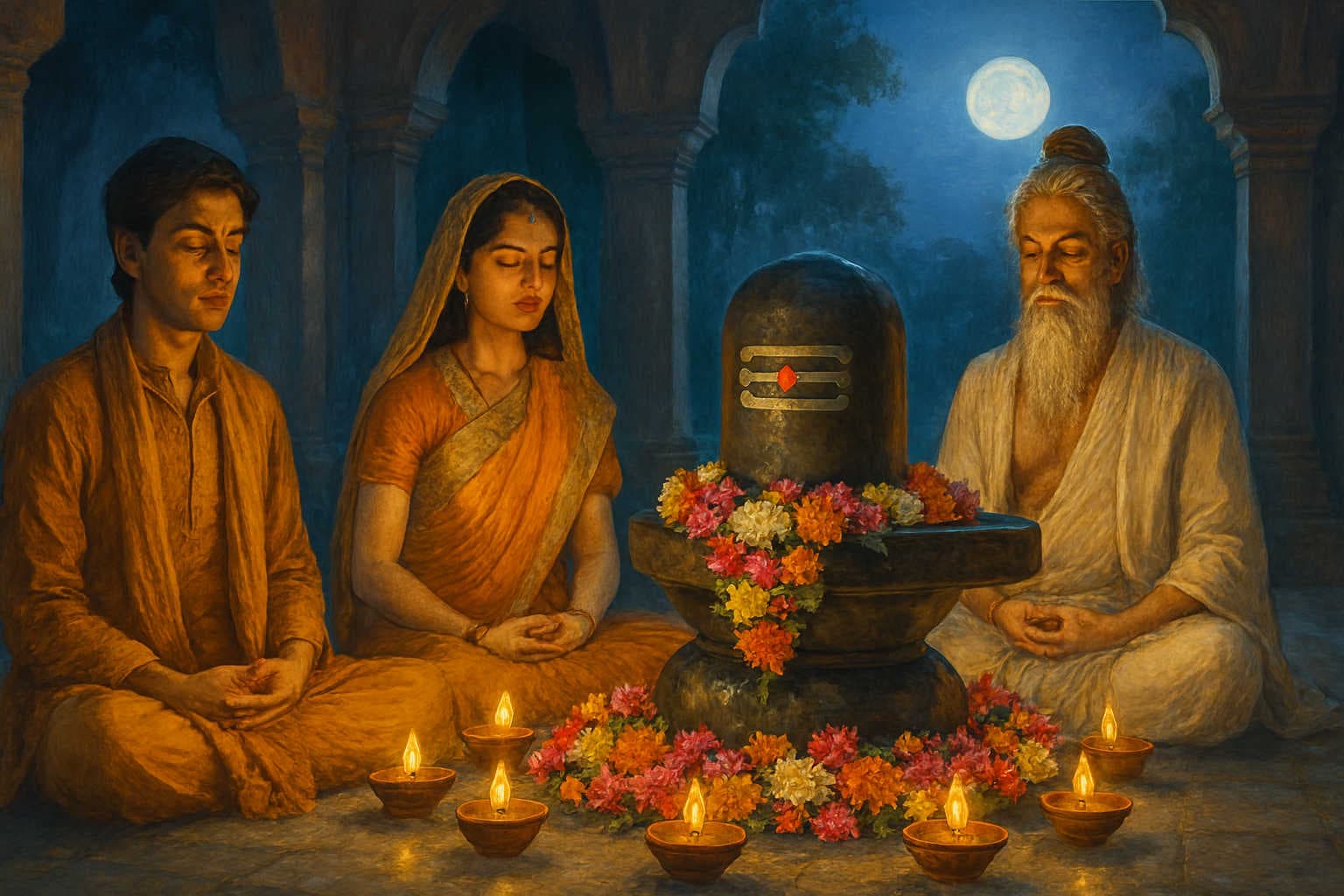
Maha Shivratri, the “Great Night of Lord Shiva,” is one of the most revered festivals in Hinduism. Devotees stay awake throughout the night, engage in prayer and meditation, and—perhaps most importantly—observe a strict fast. While fasting is seen primarily as a spiritual act of devotion, it also has a strong scientific and physiological basis that enhances both body and mind during this sacred occasion.
The Spiritual Purpose of Fasting
In Hindu tradition, fasting (vrat) is not about mere abstinence from food; it is about self-discipline, purification, and focus on the divine. Maha Shivratri’s fast is particularly significant because it is believed to:
-
Help control the mind and senses.
-
Channel energy toward meditation and prayer.
-
Align the devotee’s consciousness with the cosmic vibrations of Shiva’s night.
But beyond the religious reasoning, fasting during Maha Shivratri aligns closely with what modern science tells us about intermittent fasting, detoxification, and mental clarity.
Scientific Benefits of Fasting
1. Enhanced Detoxification
When you refrain from eating, the digestive system gets a much-needed rest. The body diverts energy from digestion toward cellular repair and toxin removal. Maha Shivratri occurs before the onset of summer, making it an ideal time to cleanse the body naturally.
2. Improved Mental Clarity and Focus
Scientific studies show that fasting increases the production of brain-derived neurotrophic factor (BDNF), a protein that supports cognitive function. This heightened mental clarity helps devotees maintain deep meditation and stay awake through the night’s rituals.
3. Stabilized Blood Sugar and Energy Levels
Though it may seem counterintuitive, short-term fasting can help regulate insulin sensitivity and prevent sudden spikes and drops in blood sugar, leading to steady energy—perfect for an all-night vigil.
4. Hormonal Balance
Fasting triggers beneficial hormonal changes, including increased growth hormone production, which aids in repair and regeneration. Spiritually, this state is ideal for inner stillness and connecting with higher consciousness.
Types of Fasts Observed on Maha Shivratri
Devotees may choose from different fasting methods depending on their capacity:
-
Nirjala Vrat (Complete Fast) – No food or water for 24 hours. This is the most austere and requires strong willpower and good health.
-
Phalahar Vrat (Fruits and Milk) – Devotees consume fruits, milk, and water, avoiding grains and salt.
-
Ek Bhukta Vrat (One Meal Fast) – Eating only once during the day, typically before sunset, with simple vegetarian food.
The choice of fast aligns with personal health, devotion, and spiritual discipline.
Why Maha Shivratri Fasting is Linked to Energy and Meditation
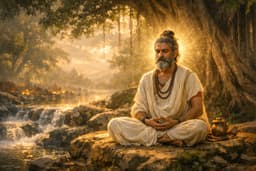
From a yogic perspective, fasting reduces the tamasic (inertia-causing) and rajasic (restlessness-inducing) qualities in the body, enhancing sattva (purity and harmony).
This lightness in the body supports:
-
Longer meditation sessions without drowsiness.
-
Increased awareness during chanting and prayer.
-
Better breath control in pranayama practices.
Modern science supports this by showing that fasting increases alertness due to higher levels of norepinephrine, a hormone linked to focus.
The Role of Circadian Rhythm and Fasting
Maha Shivratri is celebrated at night, and fasting during the day leading up to it naturally extends the overnight fasting period. This aligns with the body’s circadian rhythm—the internal clock that regulates sleep and energy.
By not consuming heavy meals, the body’s metabolic processes slow down, allowing more energy to be directed toward mental and spiritual practices.
Water, Hydration, and Energy Flow
Many devotees opt for a water-only fast or include milk and fruits. Water helps in:
-
Flushing toxins.
-
Maintaining hydration to avoid fatigue during the night vigil.
-
Supporting kidney and liver function during detox.
Ayurveda also notes that consuming milk on Maha Shivratri can help cool the system and balance the body’s energies, especially when combined with bel patra (bilva leaves) offered to Lord Shiva.
Fasting and Aligning with Cosmic Energy
From an astrological perspective, Maha Shivratri occurs during the 14th night of the waning moon (Chaturdashi) in the month of Phalguna. This is when planetary positions and lunar energy are believed to be most favorable for spiritual elevation.
Fasting reduces bodily distractions, allowing devotees to synchronize their mental state with the cosmic frequency of this powerful night.
Precautions While Fasting
Though fasting has benefits, it’s important to follow certain guidelines:
-
People with medical conditions like diabetes should opt for fruit-based or milk-based fasting.
-
Hydration is key—avoid dehydration, especially in warm climates.
-
If fasting without water, break the fast gradually with light foods.
A Balanced Conclusion
The fast of Maha Shivratri is a beautiful example of spiritual tradition meeting scientific wisdom. It cleanses the body, sharpens the mind, and opens the heart to divine connection.
When observed mindfully, this fast becomes more than a ritual—it becomes a journey inward, where science supports spirituality in the most natural way.
As devotees chant “Om Namah Shivaya” through the night, their fasting bodies and focused minds become vessels for Lord Shiva’s energy—a harmony of faith, discipline, and universal truth.