Importance of Lighting Diyas on Diwali Night
Diwali, often called the Festival of Lights, is one of the most celebrated festivals in India and among Hindus worldwide. The sight of thousands of tiny clay lamps—diyas—glowing in homes, temples, and streets is not only breathtaking but also steeped in deep cultural, spiritual, and symbolic meaning.
While modern celebrations include electric lights, firecrackers, and grand decorations, the heart of Diwali still lies in the humble diya. Lighting these small oil lamps on Diwali night is a tradition that has been followed for centuries, representing the victory of light over darkness and good over evil.
🌟 Historical and Mythological Roots
The tradition of lighting diyas is rooted in several legends from Hindu scriptures:
-
Return of Lord Rama: The most popular story comes from the Ramayana. After 14 years of exile and the victory over Ravana, Lord Rama returned to Ayodhya with Sita and Lakshmana. To welcome them, the people of Ayodhya lit rows of oil lamps, symbolizing joy and the triumph of righteousness.
-
Goddess Lakshmi’s Blessing: According to another belief, Goddess Lakshmi, the goddess of wealth and prosperity, visits homes on Diwali night. Diyas are lit to welcome her and to drive away negativity and poverty.
-
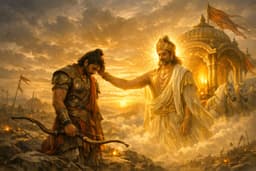
Krishna and Narakasura: In some traditions, lighting lamps commemorates Lord Krishna’s victory over the demon Narakasura, marking the triumph of good forces.
🪔 Symbolism of the Diya
A diya may be small, but its symbolism is profound:
-
Light Over Darkness: The flame dispels physical and spiritual darkness, inspiring hope and clarity.
-
Knowledge Over Ignorance: Just as light reveals the unseen, wisdom removes the blindness of ignorance.
-
Purity and Positivity: The gentle glow creates an atmosphere of peace and sanctity.
-
Selflessness: The diya burns by consuming itself, symbolizing selfless service for the benefit of others.
🎯 Why We Light Diyas on Diwali Night
1. Spiritual Cleansing
Lighting diyas is believed to purify the environment, removing negativity and inviting divine blessings into the home.
2. Welcoming Goddess Lakshmi
Diyas are placed in every corner of the house, especially near entrances and windows, to guide Goddess Lakshmi inside. The belief is that a brightly lit home ensures prosperity for the coming year.
3. Community Bonding
In villages and cities alike, rows of diyas outside homes and along streets create a shared festive spirit, strengthening bonds between neighbors and communities.
4. Astrological and Seasonal Significance
Diwali occurs during Amavasya (new moon), when the night is at its darkest. Lighting diyas is not only symbolic but also practical—it illuminates the darkness and drives away fear.
🏡 How Diyas are Traditionally Lit
-
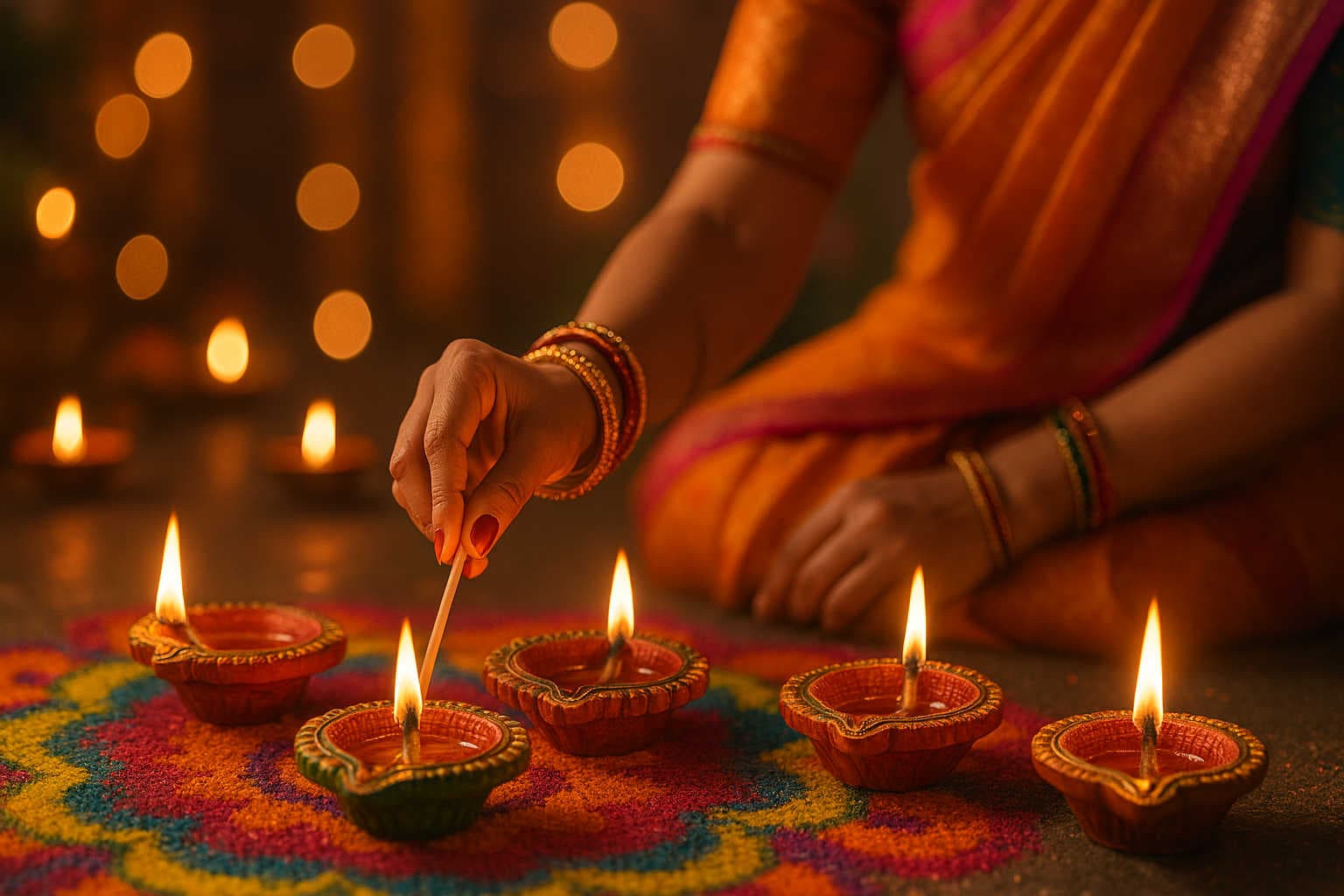
Material: Diyas are usually made from clay, filled with oil (often mustard or ghee) and a cotton wick.
-
Placement: They are arranged along windows, balconies, doorways, courtyards, and temples.
-
Number of Diyas: Many families light 13 diyas for prosperity, while others light as many as possible to brighten the entire home.
-
Special Areas: A large diya is often placed in the temple area of the home for continuous burning through the night.
🌿 Eco-Friendly and Cultural Preservation
With the rise of artificial lights, the use of traditional clay diyas has decreased. However, many communities now encourage returning to earthen lamps because:
-
Clay diyas are biodegradable and eco-friendly.
-
The use of ghee or sesame oil emits a pleasant fragrance and purifies the air.
-
Supporting local artisans who make diyas sustains traditional crafts.
📖 The Deeper Philosophy
The diya is more than an object—it is a spiritual metaphor. The oil in the lamp represents human desires and ego, which can be exhausted through devotion and service. The wick symbolizes the mind, which must be guided by wisdom (the flame) to rise above materialism.
Lighting a diya, therefore, becomes an act of inner awakening. It’s a reminder that we each carry a divine spark within us, capable of lighting the way for ourselves and others.
🌍 Diwali Diyas Across India
-
North India: Large patterns of diyas adorn courtyards, symbolizing the welcome of Lord Rama and Lakshmi.
-
South India: Known as Karthigai Deepam, lighting rows of lamps is a tradition linked with Lord Shiva.
-
West India: In Gujarat, diyas are part of Lakshmi Puja, with special designs made on thresholds to invite prosperity.
-
East India: In Bengal, diyas are also lit for Goddess Kali during Kali Puja, which coincides with Diwali.
✨ Conclusion – Lighting the Inner Lamp
Lighting diyas on Diwali is not just about tradition—it is about consciously choosing light over darkness in every aspect of life. While the outer lamps brighten homes, they also inspire us to kindle the inner light of compassion, wisdom, and positivity.
In the quiet moment when a diya’s flame dances in the night, it whispers an eternal truth: darkness can never overpower light, and even the smallest flame has the power to shine brightly in the vast night.