Vat Savitri Vrat – The Fast of a Devoted Wife
Among the many festivals that celebrate love, commitment, and marital harmony in Hindu culture, Vat Savitri Vrat stands out as a beautiful symbol of a wife’s devotion and determination. Observed mainly by married women, this vrat (fast) honors the legendary story of Savitri, whose unwavering love and courage brought her husband Satyavan back from the clutches of death itself.
The festival not only reinforces the values of loyalty and faithfulness but also inspires women to pray for the well-being and longevity of their husbands.
📅 When Vat Savitri Vrat is Celebrated
Vat Savitri Vrat is observed on the Amavasya (new moon day) of the Jyeshtha month in North India, which typically falls in May or June. In Maharashtra, Gujarat, and some southern states, a similar festival known as Vat Purnima is observed on the full moon day of Jyeshtha.
The festival is named after the Vat (banyan) tree, which holds deep spiritual symbolism in Hinduism for its longevity, shelter-giving nature, and eternal life.
🌟 The Legend of Savitri and Satyavan
The story of Vat Savitri Vrat originates from the Mahabharata, where Yudhishthira narrates the tale of Savitri to illustrate the virtues of devotion and determination.
Savitri, the daughter of King Ashwapati, chose to marry Satyavan, a noble but poor prince living in exile. She later learned from the sage Narada that Satyavan was destined to die within a year of their marriage.
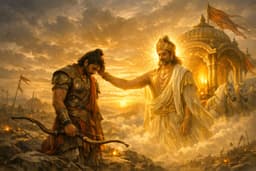
Undeterred, Savitri accepted her fate with courage and resolved to stay by Satyavan’s side. On the predicted day of his death, she accompanied him to the forest. As Satyavan fell unconscious under the shade of a banyan tree, Yama, the god of death, appeared to take his soul.
Savitri followed Yama, engaging him in deep conversation about righteousness, devotion, and the duties of a wife. Impressed by her wisdom and persistence, Yama offered her three boons—excluding the life of Satyavan. Savitri cleverly used these boons to secure her father-in-law’s kingdom, restore his eyesight, and finally ensure her own motherhood—which was only possible if Satyavan were alive. Bound by his own word, Yama returned Satyavan’s life, and the couple lived happily thereafter.
🛕 Rituals of Vat Savitri Vrat
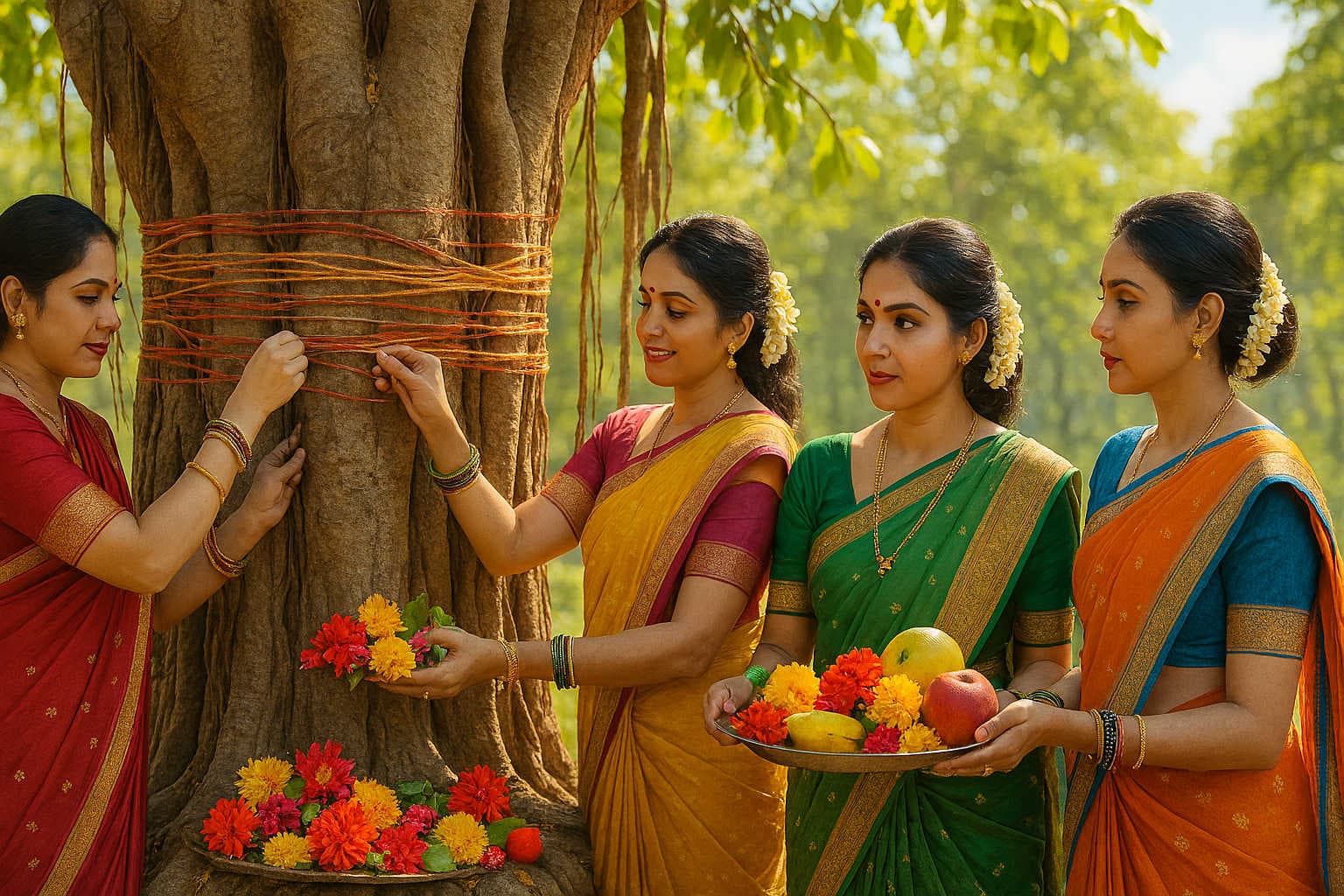
The day begins early, with women bathing before sunrise and wearing traditional attire, usually red, yellow, or bright-colored sarees that symbolize marital bliss. They adorn themselves with bangles, bindis, and sindoor (vermilion).
Key Rituals:
-
Puja of the Banyan Tree: Women gather around a sacred vat (banyan) tree. They offer water, flowers, fruits, and sweets to its base. The banyan tree symbolizes immortality and steadfastness—qualities mirrored in Savitri’s love.
-
Tying Sacred Threads: A sacred red or yellow thread is wound around the trunk of the tree seven times, representing the bond of marriage and prayers for the husband’s long life.
-
Story Recitation: The tale of Savitri and Satyavan is read or narrated, inspiring devotion and faith.
-
Fasting: Women observe a strict fast throughout the day, often consuming only water after the puja is complete. Some observe nirjala vrat (without even water).
-
Offerings to Brahmins: Food, clothing, and donations are offered to Brahmins as a part of the ritual.
🌿 Symbolism of the Vat Tree
The banyan tree in Hindu belief is associated with the Trimurti—Brahma (roots), Vishnu (trunk), and Shiva (branches). It represents eternal life, resilience, and shelter. Worshiping the tree during Vat Savitri Vrat invokes blessings of longevity, stability, and harmony in marital life.
🍲 Traditional Prasad and Offerings
Prasad often includes soaked chana (black chickpeas), seasonal fruits, sweets like laddoos, and betel leaves with areca nut. These are distributed among devotees after the puja as a symbol of shared blessings.
🌍 Regional Variations
-
North India: Observed on Jyeshtha Amavasya, often with large community gatherings around banyan trees in village centers.
-
Maharashtra & Gujarat: Known as Vat Purnima, celebrated on Jyeshtha Purnima. Women dress in bridal attire and often perform symbolic forest walks, reenacting Savitri’s journey.
-
South India: While not widely observed, similar fasts exist under different local names, with the banyan tree and marital prayers as the core elements.
🕉️ Lessons from Savitri’s Story
Savitri’s tale is not just a myth—it is a reminder of timeless virtues:
-
Determination in Adversity: Savitri did not give up, even when fate seemed inevitable.
-
Wisdom and Righteousness: Her respectful yet firm dialogue with Yama shows the power of intellect and humility.
-
Selfless Love: Her actions were rooted not in personal gain but in the desire for her husband’s well-being.
These values continue to inspire, making Vat Savitri Vrat more than a ritual—it’s a celebration of resilience, loyalty, and faith.
✨ Modern Relevance
In today’s world, the festival also symbolizes equality and mutual care in marriage. While traditionally observed by women for their husbands, many couples now choose to observe fasts together, praying for each other’s health and happiness.
The essence of Vat Savitri Vrat lies in the belief that love, faith, and determination can overcome even the harshest challenges. As women tie threads around the banyan tree, they are not only honoring a sacred legend but also weaving together prayers for a strong and lasting bond.