Hanuman Jayanti – Celebrating the Birth of Bajrangbali
Among the many divine figures in Hinduism, Lord Hanuman stands out as the epitome of unwavering devotion, immense strength, and selfless service. Revered as the greatest devotee of Lord Ram, Hanuman is celebrated across India and beyond for his unmatched courage and humility. Hanuman Jayanti, marking his birth, is one of the most important Hindu festivals dedicated to him.
📅 When and How Hanuman Jayanti is Celebrated
Hanuman Jayanti’s date varies based on regional traditions. In most of India, it falls on the full moon day (Purnima) of the Hindu month of Chaitra, which usually corresponds to March or April. However, in southern states like Karnataka and Kerala, it is celebrated during Margashirsha or Vaishakha months.
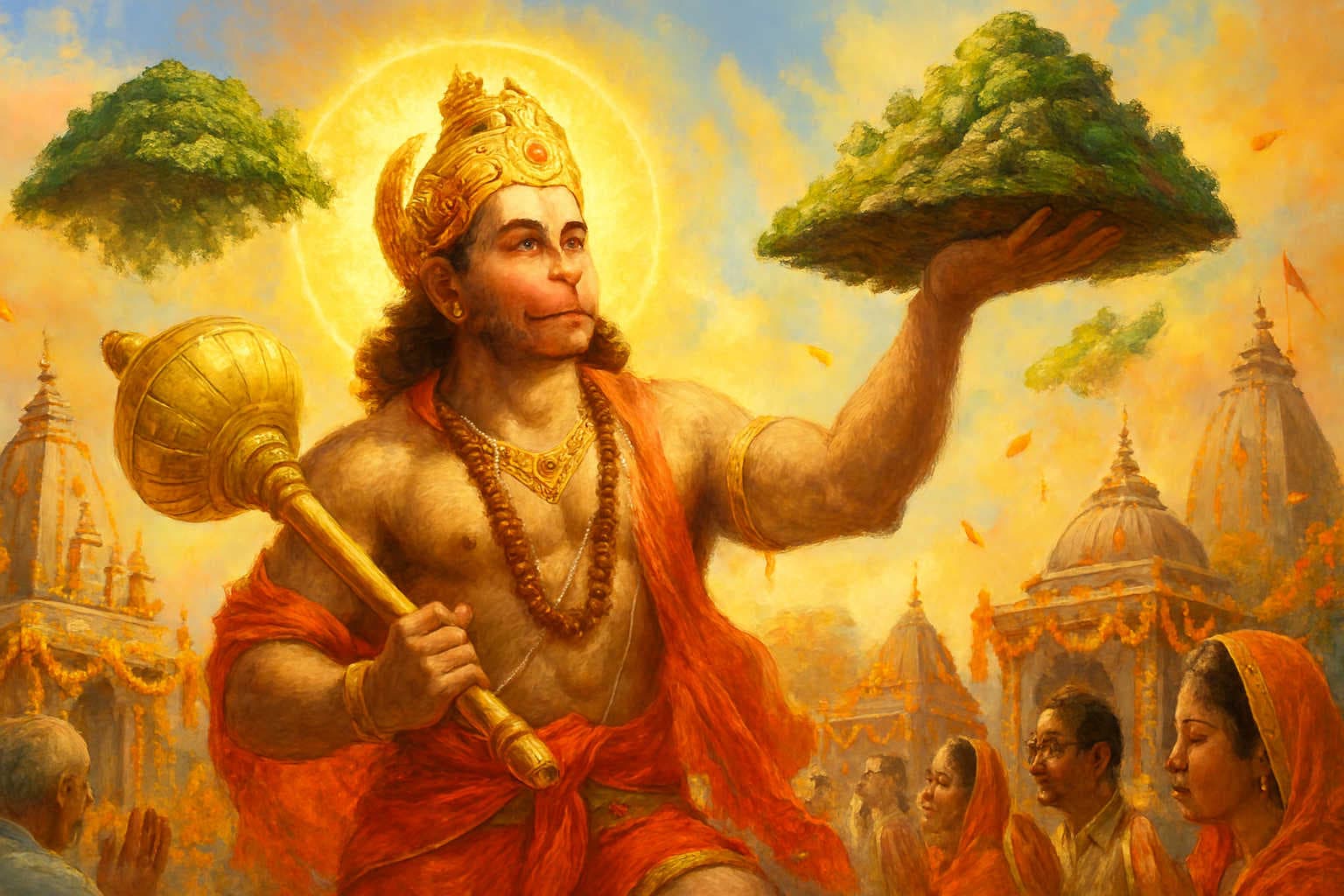
The festival is observed with grand processions, temple rituals, chanting of the Hanuman Chalisa, and community feasts. It’s a day when devotees seek Bajrangbali’s blessings for courage, protection, and perseverance in life.
🌟 Birth of Lord Hanuman – The Divine Story
According to Hindu scriptures, Hanuman is the son of Anjana and Kesari and is also considered the spiritual son of Vayu Dev (the wind god). Anjana, a celestial nymph cursed to live on Earth, was destined to be freed from her curse by giving birth to a great devotee of Lord Vishnu.
Through divine blessings, she gave birth to Hanuman, who was born with extraordinary powers—immense strength, the ability to change form, and the gift of speed and flight.
One of the most famous childhood tales tells how young Hanuman mistook the rising sun for a ripe fruit and leapt into the sky to grab it. This playful act revealed his fearless spirit and divine energy.
📜 Hanuman’s Role in the Ramayana
Hanuman’s greatness shines brightest in the epic Ramayana, where he plays a crucial role in aiding Lord Ram in his quest to rescue Sita from Ravana. His acts of devotion and valor include:
-
The Leap to Lanka: Hanuman crossed the ocean in a single leap to reach Lanka in search of Sita.
-
The Burning of Lanka: After delivering Lord Ram’s message to Sita, Hanuman set Lanka ablaze with his burning tail.
-
Carrying the Sanjeevani Mountain: In the battle against Ravana, Hanuman carried an entire mountain to deliver the life-saving Sanjeevani herb to Lakshman.
In each act, Hanuman displayed not just physical strength but also deep wisdom, humility, and loyalty.
🛕 Rituals and Celebrations
On Hanuman Jayanti, devotees visit temples early in the morning after taking a holy bath. The celebrations include:
-
Abhishek and Decoration: Hanuman idols are bathed in water, milk, and sacred oils, then adorned with flowers and vermillion (sindoor).
-
Chanting and Bhajans: Continuous recitation of the Hanuman Chalisa and singing of devotional songs fill the atmosphere with spiritual energy.
-
Offerings: Devotees offer laddoos, bananas, and betel leaves, all considered dear to Hanuman.
-
Fasting: Many observe a day-long fast, breaking it only after visiting the temple and offering prayers.
-
Reading Scriptures: Episodes from the Ramayana, Sundar Kand, and other Hanuman-related stories are read aloud.
In several regions, large processions with decorated chariots carrying Hanuman’s idol move through the streets, accompanied by music, dance, and chants of “Jai Bajrangbali!”
🍲 The Prasad and Langar
Special prasad is prepared for the day. Boondi ladoo, besan ladoo, and panchamrit (a mixture of milk, yogurt, honey, sugar, and ghee) are offered to the deity. In many temples, community feasts (langar) are organized, embodying the spirit of service that Hanuman himself represents.
🌍 Regional Variations
-
North India: Celebrations include grand processions, temple fairs, and mass recitation of Hanuman Chalisa.
-
Maharashtra: Hanuman Jayanti is marked by wrestling competitions, as Hanuman is also seen as the patron of physical strength and discipline.
-
Tamil Nadu and Karnataka: Celebrated on different dates, often with readings from the Ramayana and local devotional literature.
🕉️ Symbolism and Teachings of Hanuman
Hanuman is more than a mythological hero—he is a living symbol of devotion (bhakti), courage, humility, and selfless service. His character teaches us:
-
Devotion Over Ego: True greatness lies in surrendering to the divine without pride.
-
Strength with Compassion: Power should be used to protect and serve, not to dominate.
-
Discipline and Service: Dedication to duty without desire for reward leads to spiritual growth.
✨ The Enduring Appeal of Bajrangbali
Even in modern times, Hanuman’s figure remains deeply loved across generations. From being invoked in prayers for strength before important tasks to his presence in popular culture and art, Hanuman continues to inspire. For many, chanting the Hanuman Chalisa is a source of courage and peace during challenging times.
Hanuman Jayanti is not just about celebrating a birth—it’s about renewing our commitment to the ideals he lived by. As devotees gather in temples, sing his praises, and offer their prayers, they keep alive the timeless virtues of faith, loyalty, and humility that Hanuman embodied.