Guru Purnima – Honoring the Spiritual Teachers
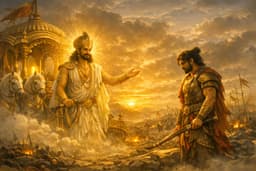
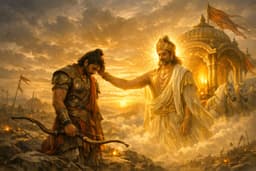
In the tapestry of Indian tradition, few relationships are held in as high esteem as that of the guru and disciple. The guru, a guiding light, leads the student from the darkness of ignorance to the illumination of wisdom. The festival of Guru Purnima, celebrated on the full moon day (Purnima) in the Hindu month of Ashadha (June–July), is dedicated to expressing deep gratitude and reverence to one’s spiritual and academic teachers.
While many festivals are celebrated with grand processions and feasts, Guru Purnima is observed with humility, devotion, and reflection — a day that bridges the spiritual past with the seekers of today.
🌕 Historical and Spiritual Significance
Guru Purnima is also known as Vyas Purnima, in honor of Maharshi Ved Vyasa, the sage credited with compiling the Vedas, writing the Mahabharata, and authoring the eighteen Puranas. His immense contribution to preserving and systematizing spiritual knowledge makes him the Adi Guru — the first teacher in the tradition.
The festival’s significance stretches beyond Hinduism. In Buddhism, Guru Purnima marks the day when Lord Buddha gave his first sermon at Sarnath after attaining enlightenment. In Jainism, it is believed to be the day Lord Mahavira was made the guru by Indrabhuti Gautam, his chief disciple.
Thus, Guru Purnima transcends religious boundaries and celebrates the universal value of honoring the teacher.
🪔 The Guru–Shishya Tradition
In ancient India, students would live in gurukuls, serving their teacher with devotion while receiving knowledge not only of scriptures but also of life skills and values. The guru was seen as a divine channel — one who removes the darkness (gu) and brings light (ru).
On Guru Purnima, disciples reaffirm their commitment to their guru’s teachings and offer gratitude for the wisdom imparted. The bond is not transactional but spiritual, rooted in trust, humility, and dedication.
📜 Rituals and Observances
The way Guru Purnima is celebrated varies across traditions, but the essence remains the same — devotion, respect, and reflection. Common practices include:
-
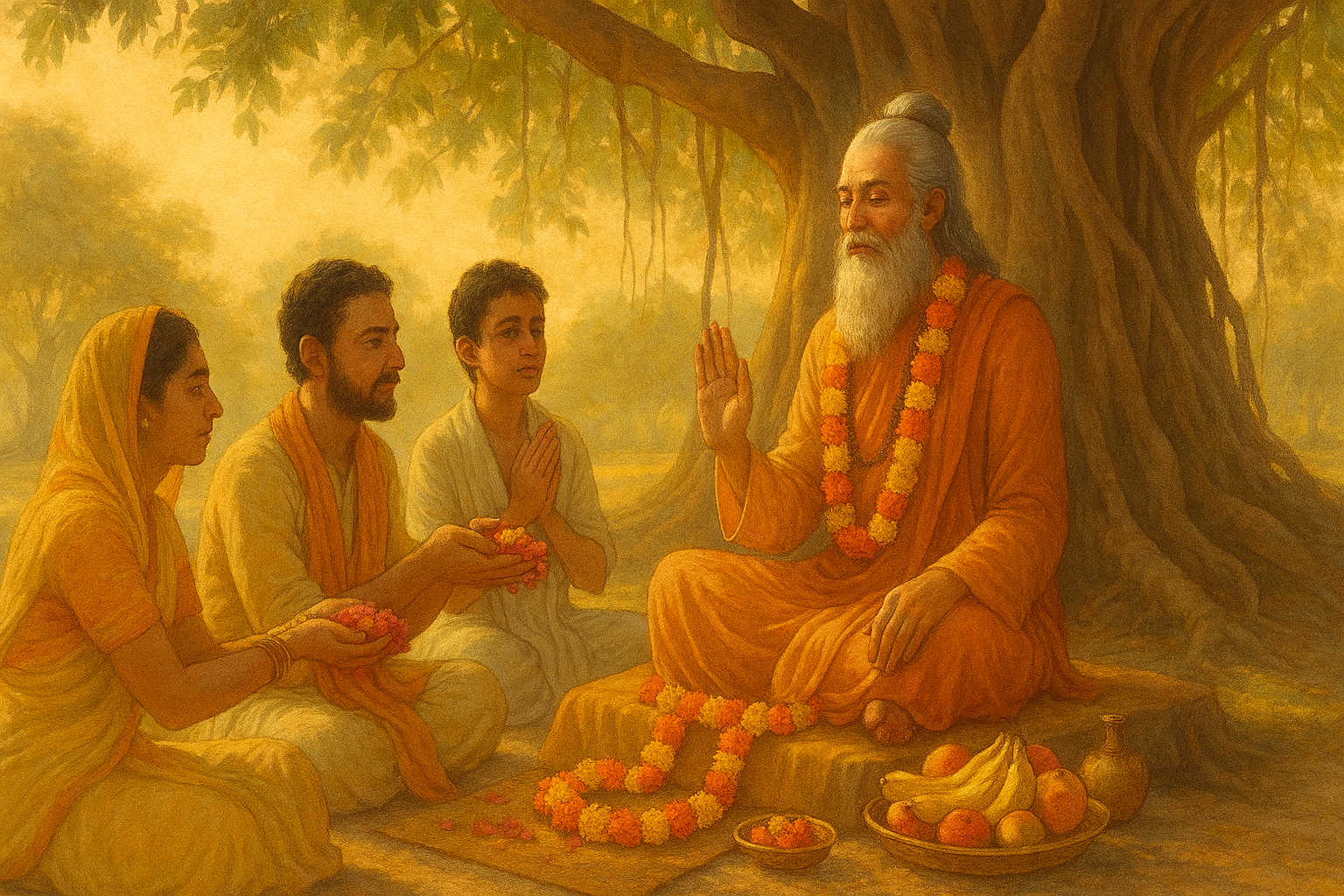
Guru Puja – Devotees offer garlands, fruits, flowers, and dakshina (offerings) to their guru or at the guru’s ashram.
-
Satsang and Discourses – Spiritual gatherings where the guru imparts wisdom through stories, chants, and guidance.
-
Scripture Reading – Many read or recite portions of the Bhagavad Gita, Vedas, or Buddhist sutras on this day.
-
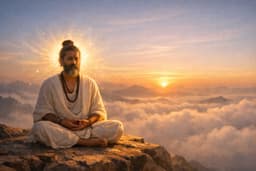
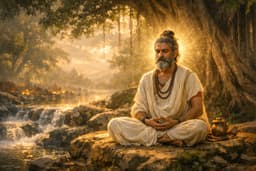
Meditation and Self-Reflection – Disciples spend time in silence, contemplating the lessons learned and how to embody them.
-
Acts of Service – In some traditions, students perform seva (selfless service) in honor of their guru’s mission.
🌍 Regional Variations
-
Hindu Ashrams and Temples – Across India, devotees gather at ashrams to participate in special pujas and satsangs.
-
Buddhist Monasteries – In countries like Nepal, Sri Lanka, and Bhutan, monks observe the day with meditation and dhamma talks.
-
Maharashtra and Gujarat – Farmers celebrate Guru Purnima as a thanksgiving to nature, marking the beginning of the monsoon sowing season.
-
South India – Special prayers are held for Adi Shankaracharya and other revered gurus of the Advaita Vedanta tradition.
🕊️ The Inner Meaning
Guru Purnima is not only about honoring a physical teacher but also about recognizing the inner guru — the voice of conscience and truth within each person. The rituals are an external reflection of an inward journey: to remain open to learning, to shed ego, and to walk the path of wisdom.
The guru’s role is likened to that of a potter — gently shaping the raw clay of the disciple’s mind and heart, guiding them toward strength, discipline, and clarity.
🍲 The Food Connection
In many communities, the day is observed with satvik food — simple, pure vegetarian meals without onion or garlic. Special prasad like khichdi, payasam, or seasonal fruits is offered to the guru and then shared among the devotees. In Buddhist traditions, monks receive alms and meals from lay followers as a token of gratitude.
✨ Lessons for the Modern World
In today’s fast-paced world, where digital information is abundant but true wisdom is rare, the essence of Guru Purnima is more relevant than ever. A guru is not merely an academic instructor but a life guide, offering tools for inner peace and clarity.
Celebrating Guru Purnima encourages us to:
-
Acknowledge the sources of our knowledge
-
Stay humble in the pursuit of learning
-
Carry forward the values imparted by our teachers
📖 A Day of Gratitude
Whether one’s guru is a spiritual master, a schoolteacher, or even a parent, Guru Purnima invites us to pause and say thank you. It is a celebration of the human capacity to guide and be guided, to teach and to learn, and to walk together on the path toward enlightenment.
From the banks of the Ganges to the serene monasteries of the Himalayas, Guru Purnima resonates as a timeless reminder: Knowledge is the greatest gift, and gratitude is the highest offering.