Mahalaya Amavasya – Remembering Our Ancestors
In the sacred cycle of Hindu festivals, Mahalaya Amavasya holds a place of quiet reverence and deep gratitude. Unlike festivals filled with color, music, and celebration, this day is marked by solemn devotion, as families come together to remember and honor their ancestors. Falling on the new moon day (Amavasya) that marks the conclusion of Pitru Paksha, Mahalaya is dedicated to performing tarpan and Shraddha rituals, offering prayers for the peace and liberation of departed souls.
Mahalaya Amavasya is observed with a sense of continuity — a spiritual bridge connecting the present generation to those who came before.
🌙 The Timing and Significance
Mahalaya falls in the Hindu month of Bhadrapada (usually September–October), on the dark fortnight’s last day. According to Hindu belief, during the Pitru Paksha fortnight, the souls of ancestors descend to the earthly realm to accept offerings from their descendants. Mahalaya marks the final opportunity to perform these rites before they return to their spiritual abode.
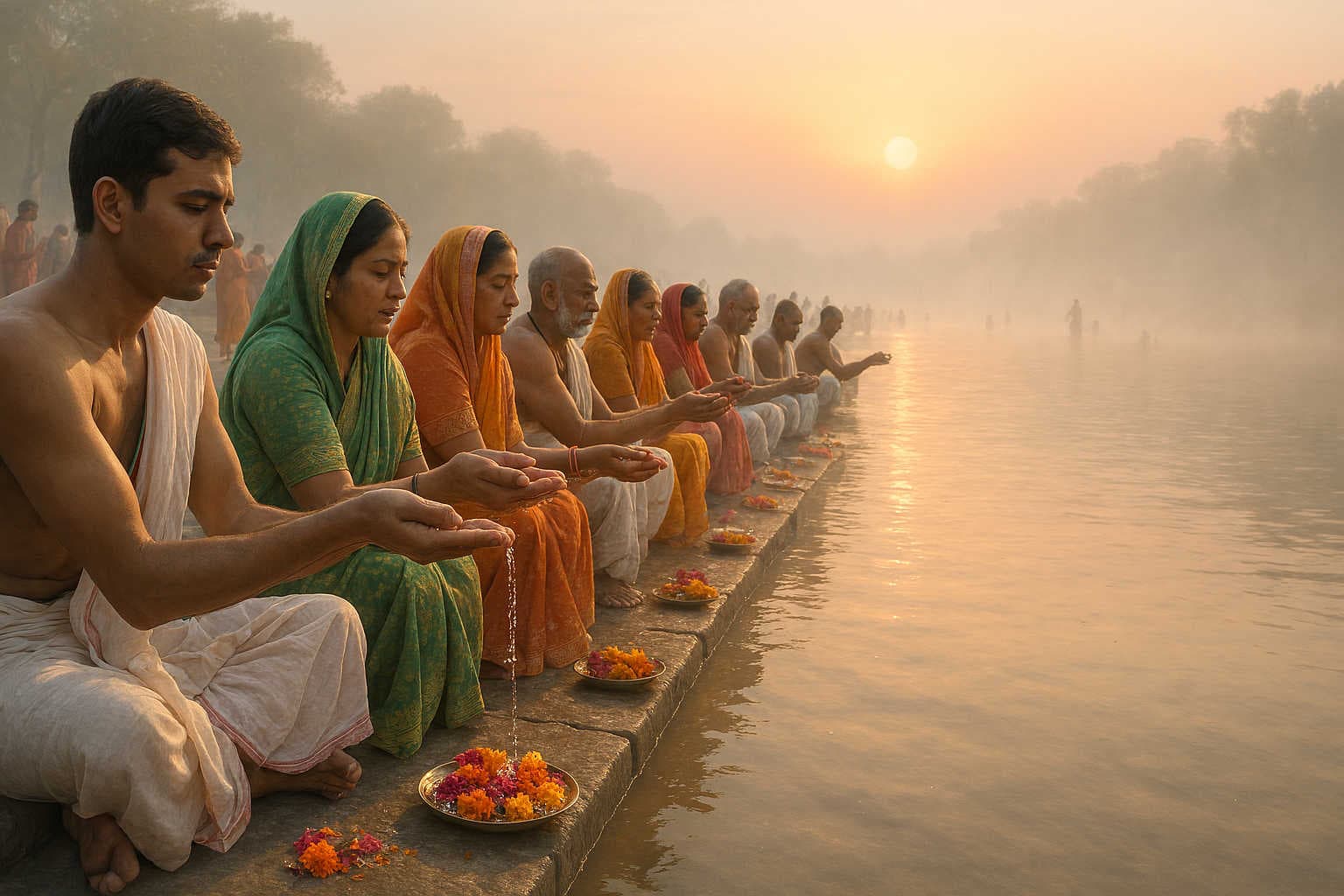
This day is especially auspicious for performing tarpan (offering water) and pinda daan (offering rice balls), believed to provide peace and nourishment to the souls of ancestors in the afterlife.
📜 Mythological Connection
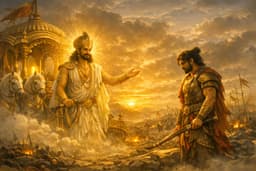
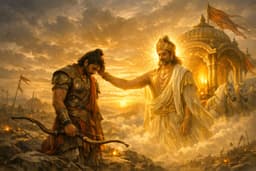
One of the most well-known legends linked to Mahalaya comes from the Mahabharata. It is said that Karna, the great warrior, found himself in the afterlife with heaps of gold but no food. When he questioned why, he was told it was because he had given charity to others throughout his life but had never offered food or water to his ancestors. Realizing his mistake, Karna returned to earth for a fortnight to make amends. This period became known as Pitru Paksha, culminating in Mahalaya Amavasya.
Another connection comes from the Devi Mahatmya — in many regions, Mahalaya also heralds the arrival of Goddess Durga to earth, beginning the countdown to Durga Puja.
🪔 Rituals of the Day
While customs vary by community and region, the essence of Mahalaya Amavasya remains the same: honoring the souls who shaped our lives. Common rituals include:
-
Early Morning Bath – Devotees wake before sunrise and bathe in sacred rivers or water bodies to purify themselves before the rituals.
-
Tarpan – The offering of water mixed with black sesame seeds, barley, and kusa grass, accompanied by chanting of mantras, is performed facing the south (direction of ancestors).
-
Pinda Daan – Rice balls made with sesame seeds and ghee are offered, symbolizing nourishment for the ancestors.
-
Shraddha Puja – This includes lighting a diya, offering flowers, fruits, and traditional food, often served on banana leaves. Brahmins are fed as part of the ritual.
-
Charity and Feeding the Poor – Giving food, clothing, or donations to the needy is considered an act of great merit, as it is believed to please the ancestors.
🌏 Regional Observances
-
Ganga Ghats in Varanasi, Gaya, Haridwar – Thousands gather on the riverbanks to perform tarpan and pinda daan, creating a deeply moving atmosphere.
-
West Bengal – Mahalaya holds a dual significance: while some perform ancestor rites, others mark the day with early morning radio recitals of the Mahishasura Mardini to welcome Goddess Durga.
-
Maharashtra & Karnataka – Families perform Shraddha at home or in temples, often with community gatherings.
-
South India – The day is known as Amavasi and includes both ancestor worship and temple visits.
🕊️ The Spiritual Essence
Mahalaya Amavasya is a reminder that life is part of an unbroken chain, where each generation is shaped by the sacrifices and values of those who came before. The offerings made are not simply symbolic; they represent love, respect, and gratitude toward our lineage.
It is also believed that honoring ancestors removes Pitru Dosha (ancestral imbalance) and brings blessings of health, prosperity, and peace to the family.
🍲 The Food Connection
The food prepared during Mahalaya is simple but significant — often vegetarian and offered without onion or garlic. Popular items include:
-
Khichdi – Made from rice and lentils
-
Puris – Fried bread offered with sweets
-
Payasam or Kheer – Rice pudding with cardamom and jaggery
-
Seasonal fruits – Offered to the deity and then shared among family members
Brahmins or the needy are often served these dishes as part of the ritual meal.
🧘 A Time for Reflection
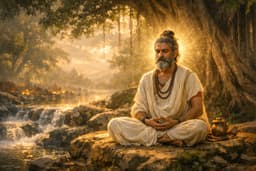
Mahalaya is not only about ritual but also about reflection. It is a moment to pause and think about the values, stories, and blessings passed down through generations. In remembering them, we keep their legacy alive and strengthen our roots.
As the sun rises over the riverbanks and chants fill the air, the rituals performed on Mahalaya Amavasya become an act of collective remembrance — one that transcends time, binding the living and the departed in eternal harmony.
✨ Why Mahalaya Matters Today
In our fast-paced modern lives, Mahalaya Amavasya serves as a gentle reminder of the importance of gratitude and connection to our past. It tells us that we are not isolated beings but part of a larger family tree whose roots nourish us even now.
Whether observed with elaborate rituals at a sacred river or with simple prayers at home, the essence remains: to remember, honor, and give thanks to those who paved the way for us.