Trimbakeshwar – Source of the Godavari River
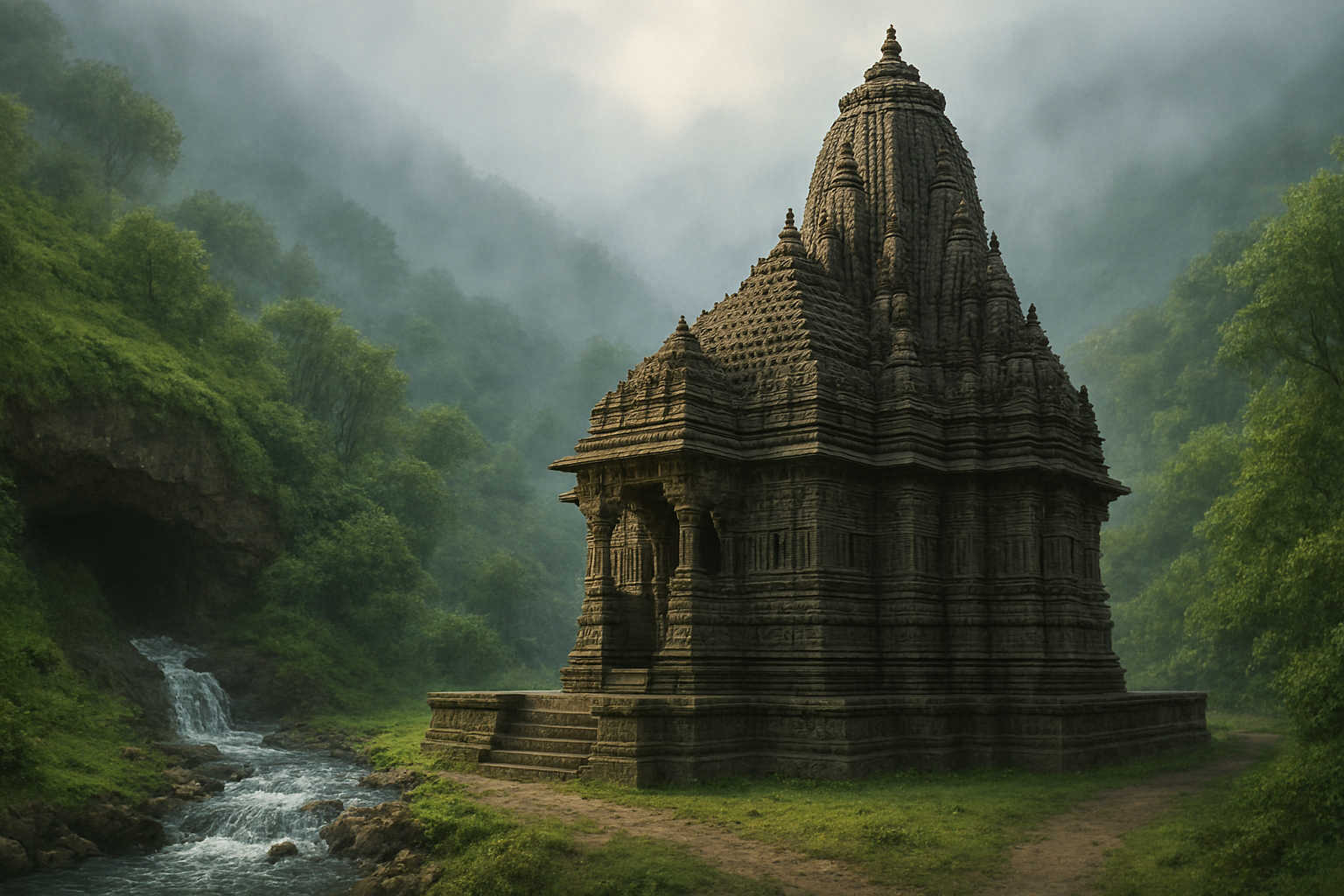
Hidden amidst the verdant hills of the Western Ghats, surrounded by misty peaks and lush green valleys, lies the ancient temple of Trimbakeshwar. Revered as one of the twelve Jyotirlingas of Lord Shiva, Trimbakeshwar is more than just a temple—it is the sacred origin of the Godavari River, affectionately known as the Ganga of the South.
Located near the town of Trimbak, around 30 kilometers from Nashik in Maharashtra, this holy place holds deep spiritual, mythological, and ecological significance. It is a destination where the divine merges with nature, and the past continues to breathe through every stone.
🌊 Birthplace of the Sacred Godavari
The Godavari River, India’s second-longest river, originates from the Brahmagiri hills behind the Trimbakeshwar temple. According to Hindu belief, the river was born through a boon granted by Lord Shiva himself, to fulfill the penance and prayers of the sage Gautama Rishi.
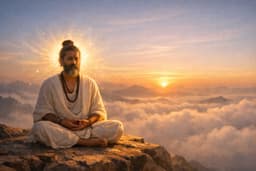
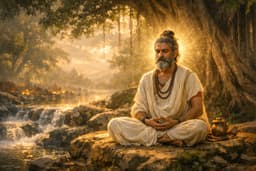
Legend says that Gautama Rishi performed intense tapasya (austerities) here to atone for accidentally killing a cow. Deeply moved, Lord Shiva commanded the Ganga to descend on Earth at this spot to purify the land and bless all living beings. Thus, the Godavari River emerged—becoming a sacred lifeline for millions.
Even today, Kushavarta Kund, a tank near the temple, is believed to be the exact place where the river manifests. Pilgrims bathe here before visiting the shrine, believing that its waters wash away sins and purify the soul.
🛕 The Trimbakeshwar Temple – A Unique Jyotirlinga
Trimbakeshwar stands out among the Dwadasha Jyotirlingas for a rare reason: the Shiva lingam here is not singular, but a three-faced lingam, representing Brahma, Vishnu, and Mahesh (Shiva)—the Hindu trinity.
The lingam is housed in a deep hollow, constantly filled with natural spring water, symbolic of life, eternity, and purity. Over time, the original stone lingam has worn down significantly—a phenomenon devotees interpret as a cosmic reminder of the erosion of dharma (righteousness) in the age of Kali Yuga.
The temple architecture is an exquisite example of black stone Hemadpanti style, built in the 18th century by the Maratha ruler Peshwa Balaji Baji Rao. The intricate carvings of deities, floral motifs, and mythological stories reflect India’s deep artistic and spiritual heritage.
🕉️ Spiritual Importance and Rituals
Thousands of devotees visit Trimbakeshwar for spiritual upliftment, to perform Shraddha (ancestral rites), and to seek moksha for departed souls. The temple is also famous for the Narayan Nagbali puja, a rare ritual believed to remove ancestral curses and obstacles in one’s life.
The holy Panchavati area nearby, where Lord Rama is believed to have stayed during his exile, adds further significance to the entire region. Every ritual here is deeply rooted in Vedic tradition, performed with precision by learned purohits trained in ancient scriptures.
📿 The Kumbh Mela Connection
Every 12 years, Trimbakeshwar becomes one of the four sites that host the Maha Kumbh Mela, a massive spiritual gathering where millions of sadhus, pilgrims, and seekers converge to bathe in the Godavari. This act is considered the ultimate purification and a way to earn divine merit.
The Naga sadhus, with ash-covered bodies and tridents, take the holy dip first, followed by countless devotees. The air becomes electric with chants of “Har Har Mahadev,” and the river sparkles like flowing sanctity.
🌄 Nature and Divinity in Harmony
Trimbakeshwar is surrounded by the serenity of the Brahmagiri hills, which are dotted with small caves, temples, and waterfalls. Many pilgrims trek up to the hilltop Ganga Dwar, where a small cave marks the original mouth of the Godavari.
The trek is not just physically invigorating—it’s a spiritual ascent, symbolizing the soul’s journey toward liberation. The crisp mountain air, chirping birds, and panoramic views create a deeply meditative experience.
✨ Festivals and Celebrations
The temple comes alive during major Hindu festivals:
-
Mahashivaratri – A grand celebration of Lord Shiva with night-long bhajans, fasting, and abhishekam.
-
Shravan month – Devotees walk barefoot carrying water from Godavari to offer at the shrine.
-
Godavari Pushkaram – A rare festival held every 12 years, coinciding with Jupiter’s entry into Leo, celebrating the river’s divine essence.
Each festival adds to the region’s spiritual fervor and brings together communities in shared faith.
🙏 Legacy of Faith
Trimbakeshwar is not just a temple—it is a living embodiment of ancient faith, where nature, myth, and devotion intertwine. For centuries, it has been a sanctuary for seekers, a place to introspect, surrender, and remember our eternal connection to the divine.
Whether you are a pilgrim, a traveler, or a student of culture, Trimbakeshwar offers a unique blend of geography and divinity, where the river’s song and the temple’s silence speak the same truth—God is here, in the source, in the stone, in the stillness.