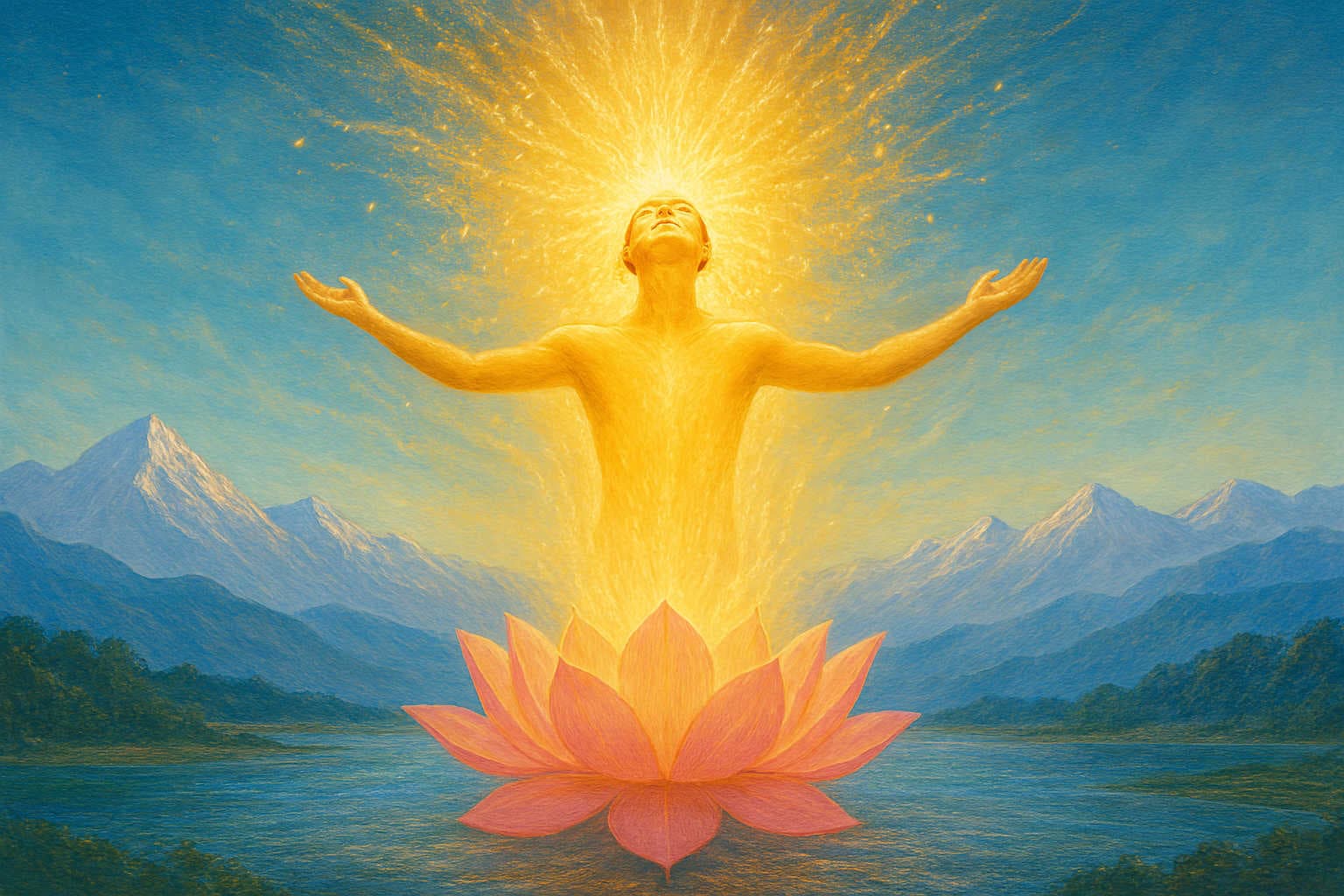
Moksha – The Ultimate Goal of Human Life
In the vast and ancient wisdom of Sanatan Dharma, human life is seen as a rare and precious opportunity. Among all forms of existence, the human birth is uniquely capable of self-realization, spiritual growth, and liberation. The scriptures of India describe four Purusharthas, or pursuits of human life—Dharma, Artha, Kama, and Moksha. While the first three relate to living a meaningful and balanced worldly life, Moksha stands as the highest and most profound goal: the final liberation from the cycle of birth and death.
Moksha is more than a concept—it is the ultimate freedom, the realization of one’s true nature, and the experience of unity between the individual soul (Atman) and the Supreme Consciousness (Brahman). It is the culmination of lifetimes of spiritual progress, discipline, and grace.
What is Moksha?
Moksha, often translated as liberation or enlightenment, refers to freedom from the eternal cycle of Samsara—birth, death, and rebirth. According to the Vedas and Upanishads, every soul takes countless births driven by karma. These births may be pleasurable or painful, divine or mundane, but the cycle itself is bondage.
To attain moksha is to transcend this cycle completely and return to one’s eternal, blissful, and divine nature. It is not a physical place but a state of pure consciousness, where all illusions of separateness dissolve.
In this state:
-
There is no fear, no sorrow, no desire.
-
The soul becomes free from karma.
-
The dualities of life—joy and sorrow, success and failure—lose their hold.
-
One experiences Sat-Chit-Ananda—pure existence, pure consciousness, pure bliss.
Moksha is considered the true purpose for which human life is given.
Why is Moksha the Ultimate Goal?
1. Freedom from Suffering
The world is a mixture of joy and sorrow. Even the greatest pleasures are temporary. Moksha frees the soul from suffering that arises from desires, attachments, and the limitations of the physical world.
2. Realization of the True Self
The Upanishads proclaim Tat Tvam Asi—“You are That.”
Moksha is realizing that the divine consciousness you seek outside already exists within you.
3. Ending the Cycle of Rebirth
Karma binds the soul to repeated births. Liberation breaks these karmic chains and brings permanent freedom.
4. Eternal Peace and Bliss
The bliss of moksha is not momentary but infinite. It is described as an ocean of peace where the soul rests forever in its true home.
Paths to Attain Moksha
Sanatan Dharma offers multiple spiritual paths, recognizing that different individuals have different temperaments. All paths ultimately lead to the same destination.
1. Jnana Yoga – The Path of Knowledge
This involves deep inquiry into the nature of the self. Through meditation, reflection, and guidance from the scriptures, the seeker realizes that the physical world is temporary, and the true self is eternal.
The central practice of Jnana Yoga is asking:
“Who am I?”
2. Bhakti Yoga – The Path of Devotion
For those with a loving heart, devotion to the Divine becomes the simplest road to liberation. Through chanting, worship, surrender, and constant remembrance of God, the ego dissolves, and the soul merges with the divine.
Saints like Mirabai, Tulsidas, and Chaitanya Mahaprabhu attained liberation through pure devotion.
3. Karma Yoga – The Path of Selfless Action
Acting without desire for personal gain purifies the mind and reduces karmic bondage. When every action becomes a service to God, the ego loosens, and the soul becomes free.
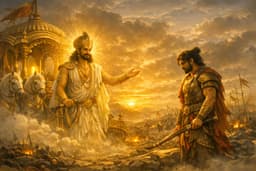
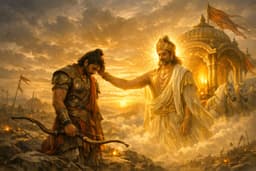
As taught in the Bhagavad Gita:
“Do your duty without attachment to the result.”
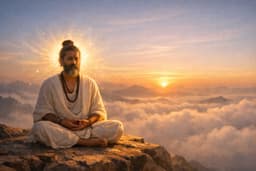
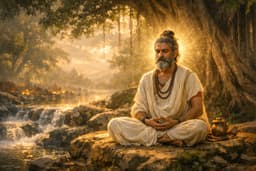
4. Raja Yoga – The Path of Meditation
This path focuses on discipline, breath control, concentration, and meditation. By stilling the mind and transcending thoughts, the seeker experiences the pure consciousness underlying all things.
Patanjali’s Yoga Sutras provide a clear road map to this inner silence.
The Role of Karma in Achieving Moksha
Karma is both the cause of bondage and the means of liberation. Actions performed with attachment create future births, but actions performed selflessly purify the soul. When karmic accounts are settled, the soul becomes free.
The scriptures say that even a small amount of genuinely selfless action destroys mountains of karma.
What Happens When One Attains Moksha?
While the exact experience is beyond words, the scriptures describe several signs:
-
The dissolution of the ego
-
Oneness with all beings
-
Unbroken peace and contentment
-
Absence of desire
-
Unconditional love for the universe
A liberated soul no longer seeks happiness outside. It shines from within.
In some traditions, the liberated being attains Videha Mukti—freedom from rebirth after the death of the physical body. In others, the soul remains as a pure witness, merged in divine consciousness.
Moksha in Daily Life
Although moksha is a lofty goal, its foundation is laid in simple daily choices:
-
Practicing kindness and compassion
-
Living in truth and integrity
-
Letting go of unnecessary desires
-
Maintaining inner purity
-
Engaging in prayer and meditation
-
Offering gratitude and surrender to God
Thus, every moment can become a step toward liberation.
Moksha and the Four Purusharthas
Sanatan Dharma encourages harmony among the four goals:
-
Dharma gives direction
-
Artha provides stability
-
Kama brings joy
-
Moksha offers ultimate freedom
Moksha is the crown jewel that gives deeper meaning to the other three.
Conclusion
Moksha is the soul’s final return to its eternal, divine essence. It is the highest purpose of human life, celebrated in scriptures, practiced by sages, and sought by seekers for thousands of years. Though the journey may span many lifetimes, every step toward purity, truth, and devotion brings the soul closer to liberation.
To strive for moksha is to live with awareness, compassion, and spiritual purpose. It reminds us that while worldly life is important, the ultimate destination of the soul is far beyond earth—resting in infinite peace, bliss, and oneness with the Divine.