Dussehra – The Day Rama Defeated Ravana
Dussehra, also known as Vijayadashami, is one of the most important and widely celebrated festivals in India. It marks the victory of Lord Rama over the demon king Ravana, a defining moment in the epic Ramayana. Symbolizing the triumph of good over evil, Dussehra is observed on the tenth day (Dashami) of the Shukla Paksha in the month of Ashwin (September–October), right after the nine days of Navratri.
While the festival holds different meanings across regions, the central theme remains the same—the celebration of righteousness, truth, and justice prevailing over arrogance, evil, and tyranny.
🏹 The Epic Battle of Ramayana
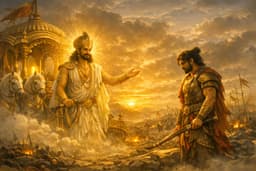
The tale of Dussehra comes alive in the Ramayana, one of the most revered Hindu scriptures. Lord Rama, the seventh avatar of Lord Vishnu, sets out to rescue his wife Sita who was abducted by Ravana—the ten-headed demon king of Lanka.
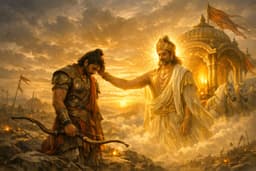
With the help of Hanuman, the Vanara (monkey) army, and his devoted brother Lakshmana, Rama wages a war against Ravana. After a fierce battle that lasted several days, Rama defeats and kills Ravana on the tenth day, marking the victory of dharma (righteousness) over adharma (evil).
Ravana, despite his wisdom and power, represents uncontrolled ego and desire. Rama, on the other hand, symbolizes an ideal man—honest, compassionate, and just.
🔥 Dussehra Celebrations Across India
The celebration of Dussehra varies by region but carries the same spirit:
-
North India: Giant effigies of Ravana, along with his brothers Meghnath and Kumbhkaran, are burnt in open grounds as a symbolic act of destroying evil. Before the burning, scenes from the Ramayana are enacted in the form of Ram Leela, a traditional dramatic performance that brings the epic to life.
-
West Bengal and Eastern India: Dussehra marks the end of Durga Puja, when idols of Goddess Durga are immersed in water, symbolizing her return to the divine realm after defeating Mahishasura. It celebrates feminine power and the victory of the goddess over evil.
-
South India: In states like Tamil Nadu and Karnataka, Dussehra is associated with the victory of Goddess Chamundeshwari (Durga) over the demon Mahishasura. The festival is celebrated with Golu doll displays, classical music, and spiritual gatherings.
-
Mysore Dussehra: A grand affair in Karnataka, with royal processions, elephants in ceremonial gear, and illuminated palaces—it reflects the deep historical and cultural richness of the festival.
🪔 Symbolism of Dussehra
Dussehra is more than just a story or ritual—it’s a powerful reminder of values:
-
Good always triumphs over evil, no matter how strong the darkness may seem.
-
Ego, anger, and arrogance (as represented by Ravana’s ten heads) are the true enemies that must be conquered within ourselves.
-
Righteousness, humility, and duty lead to true victory.
Each burning effigy of Ravana is a symbolic release of inner demons, inviting us to reflect on our flaws and rise above them with courage and discipline.
🌼 Rituals and Customs
Typical Dussehra rituals include:
-
Fasting and prayers during Navratri, leading up to the Dussehra day.
-
Attending Ram Leela performances and visiting Ram temples.
-
Astra puja (worship of weapons/tools) in South India, especially among warriors and craftsmen.
-
Processions and community gatherings, where the burning of effigies becomes a shared cultural experience.
In many places, children and adults dress up as characters from the Ramayana, reliving the age-old epic with reverence and joy.
🧠 Lessons from Dussehra in Modern Life
While Dussehra is rooted in mythology, its message is timeless:
-
Fight injustice with strength and integrity.
-
Don’t let ego and desire control your actions.
-
True leadership lies in compassion and humility.
-
Victory gained through righteous means is the most enduring and honorable.
In today’s world filled with chaos and moral confusion, festivals like Dussehra remind us of our inner moral compass and the need to uphold truth, even in the face of adversity.
🎉 A Festival of Light, Drama, and Devotion
Whether it's the dramatic Ram Leela, the fireworks lighting up the night sky, or the chants of “Jai Shri Ram”, Dussehra touches hearts across ages and backgrounds. It’s a festival that blends storytelling, spirituality, and community bonding into one unforgettable celebration.
As the flames consume Ravana’s effigy, so too should we strive to burn away pride, hatred, and falsehood, and make space for light, love, and dharma in our lives.
🌟 Conclusion: The Spirit of Dussehra
Dussehra is not just a day to remember the victory of Rama. It is a living tradition, an annual chance to reflect on our lives and renew our commitment to goodness.
It teaches us that truth has power, evil has limits, and light will always rise again after darkness. As the arrows of Rama struck Ravana’s heart, may we also strike down every negative tendency that keeps us from living our highest truth.
This Dussehra, let the fire cleanse, the story inspire, and the spirit uplift. Jai Shri Ram!