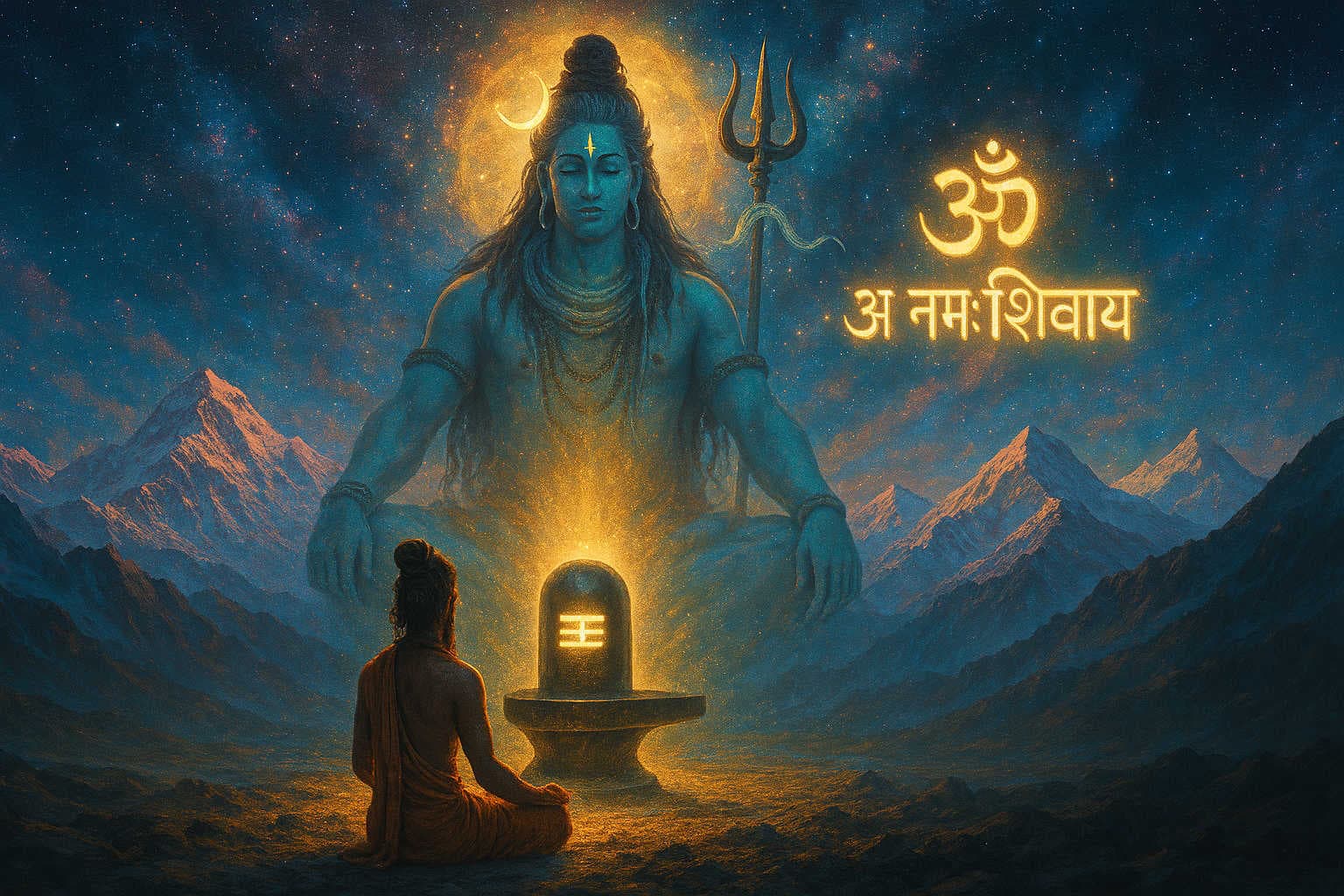
Shiva Panchakshari Mantra – Daily Devotion to Mahadev
In Hindu spirituality, mantras are sacred vibrations that connect the devotee to the divine. Among the countless mantras dedicated to Lord Shiva, none is as revered and universal as the Panchakshari Mantra – Om Namah Shivaya. Known as the heart of Shaivism, this five-syllable mantra encapsulates the essence of devotion, surrender, and cosmic balance. For millions of devotees, daily chanting of the Panchakshari Mantra is a path to peace, strength, and liberation.
What is the Panchakshari Mantra?
The word “Panchakshari” means “five syllables.” In this mantra, the five syllables are Na – Ma – Shi – Va – Ya. Each syllable carries deep spiritual meaning:
-
Na – Represents earth (Prithvi tattva).
-
Ma – Represents water (Jala tattva).
-
Shi – Represents fire (Agni tattva).
-
Va – Represents air (Vayu tattva).
-
Ya – Represents space/ether (Akasha tattva).
Together, these five syllables symbolize the five elements of creation, reminding us that Shiva is present in all that exists.
The mantra as a whole means: “I bow to Shiva, the auspicious one, the supreme consciousness.”
Scriptural Origins
The Panchakshari Mantra is mentioned in several Hindu scriptures, including the Yajur Veda, the Shiva Purana, and texts of Shaivite philosophy. Adi Shankaracharya composed the famous Shiva Panchakshari Stotra, glorifying the power of these five sacred syllables. Saints and sages through the ages have emphasized that chanting this mantra with devotion is equivalent to worshiping Shiva himself.
Why Chant Om Namah Shivaya Daily?
The Panchakshari Mantra is not limited to priests, yogis, or scholars—it is universal, meant for every devotee. Its daily recitation carries profound benefits:
-
Spiritual Purification – Cleanses the mind of negative thoughts and fills it with divine vibrations.
-
Calmness and Focus – The sound resonance aligns breathing and calms the nervous system.
-
Devotion and Surrender – Reminds us of humility before Shiva, the destroyer of ego and illusions.
-
Liberation (Moksha) – Scriptures proclaim that sincere chanting paves the path toward salvation.
-
Healing Energy – Believers hold that the mantra has the power to heal emotional and even physical ailments through sound vibration.
The Inner Meaning of the Mantra
-
“Om” – The primordial sound, representing the universe and ultimate reality.
-
“Namah” – Means bowing down or surrendering.
-
“Shivaya” – To Shiva, the supreme being who is both creation and destruction.
Thus, chanting Om Namah Shivaya is not merely repeating words—it is an act of surrendering the self to cosmic consciousness.
How to Practice Daily Chanting
-
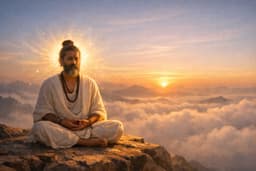
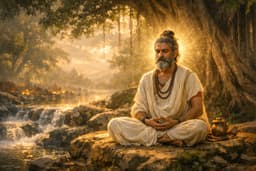
Time and Place – Early morning before sunrise (Brahma Muhurta) is considered ideal, but one can chant at any time with devotion.
-
Purity and Posture – Sit facing east, preferably after bathing, with a calm and focused mind.
-
Mala Beads – Use a Rudraksha mala of 108 beads to maintain count and deepen concentration.
-
Consistency – Chant daily—108 times or more—to experience steady transformation.
-
Meditative Mindset – Focus on the sound vibration and visualize Lord Shiva in the heart or as a radiant Lingam.
Even listening to the mantra with devotion has immense benefit when chanting is not possible.
Scientific and Psychological Benefits
Modern research shows that mantra chanting influences the brain and body positively:
-
Reduces Stress: The rhythmic chanting slows the heart rate and lowers stress hormones.
-
Improves Concentration: Daily recitation trains the mind to stay focused and disciplined.
-
Promotes Positivity: Repetition of sacred syllables shifts brain waves toward calmness and positivity.
-
Healing Frequencies: The vibrations of “Shiva” resonate with the body’s energy centers, especially the throat chakra.
Thus, the ancient practice finds harmony with modern science, making the mantra both spiritual and therapeutic.
Panchakshari in Shaivite Traditions
-
In Kashi (Varanasi), the mantra is chanted in Shiva temples as part of daily rituals.
-
Shaivite ascetics constantly repeat it as japa during meditation and wandering.
-
During Maha Shivaratri, millions of devotees across the world chant it collectively, creating a powerful wave of devotion.
-
In yogic practices, the mantra is linked with awakening inner consciousness and balancing energy centers.
This makes the Panchakshari not just a personal prayer but a shared spiritual heritage.
Devotional Stories
Many saints and devotees achieved spiritual realization through this mantra. For example:
-
The great saint Manikkavacakar in Tamil Nadu spoke of Shiva’s grace flowing through the Panchakshari.
-
Devotees believe that even those who chant unknowingly—without full knowledge—still receive Shiva’s blessings because of its purity.
Such stories inspire countless people to make this mantra part of their daily lives.
Conclusion
The Shiva Panchakshari Mantra – Om Namah Shivaya is not only a chant but a bridge between the self and the supreme. Its five syllables represent the elements, the universe, and Shiva’s eternal presence. By chanting it daily, devotees find peace, strength, and liberation from worldly burdens.
Simple yet profound, this mantra belongs to everyone—whether saint, householder, or seeker. In moments of stress or joy, whispering “Om Namah Shivaya” is enough to invoke Shiva’s presence. It is a reminder that Mahadev, the compassionate Lord, resides within us and in all of creation.