The Power of "Om" in Daily Chanting
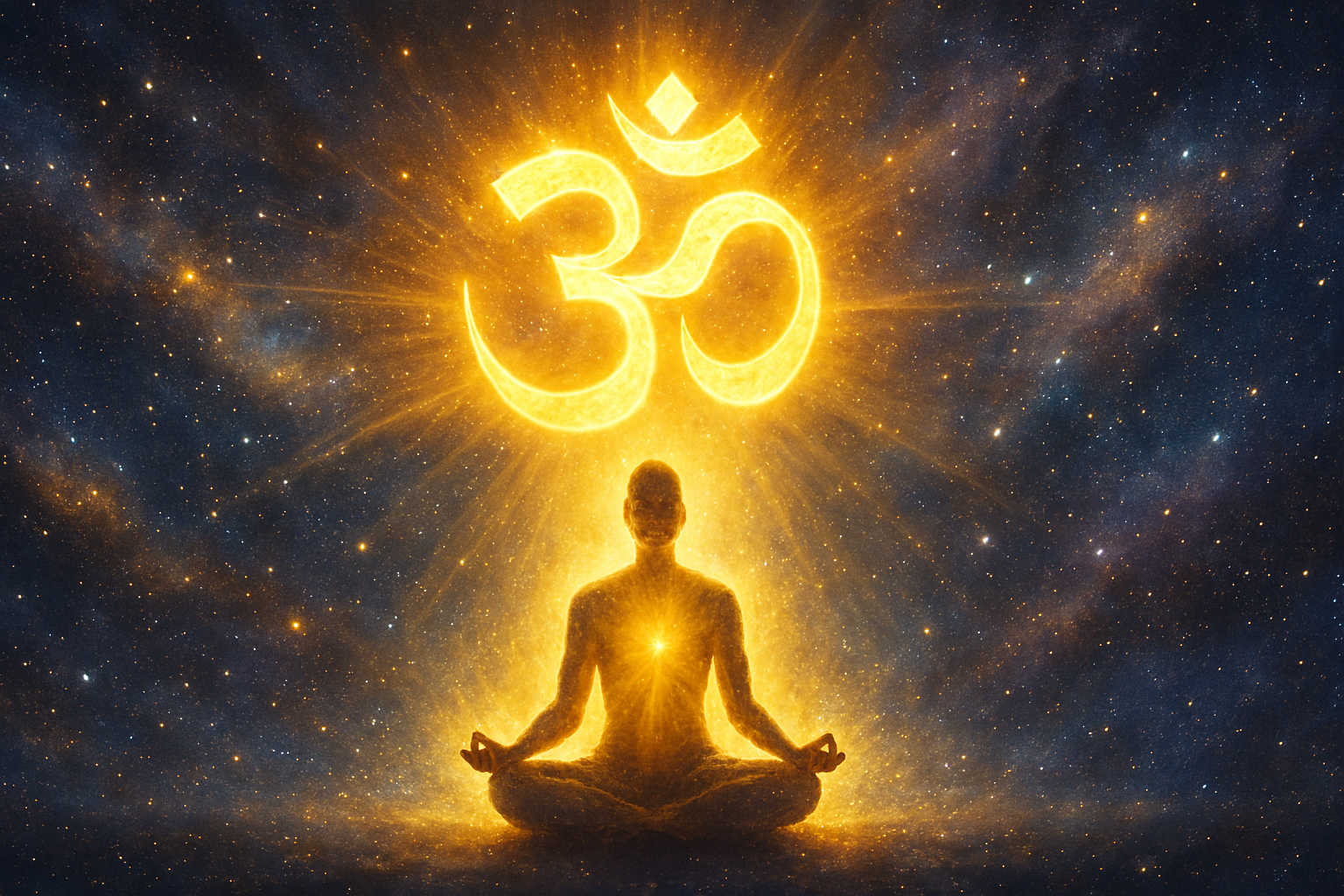
Among the countless sounds in the universe, none is considered as sacred, timeless, and powerful as “Om” (ॐ). Known as the primordial vibration of creation, Om is not just a word or symbol—it is the very essence of existence. For thousands of years, sages and spiritual seekers in India have used Om in meditation and chanting, recognizing its ability to harmonize the body, mind, and soul.
Chanting Om daily may appear simple, but it carries profound spiritual and scientific benefits. Let us explore the meaning, significance, and power of this universal sound.
The Meaning of Om
Om is described as the Pranava Mantra, the sound of life itself. It is said to be the vibration that existed before the universe was created, from which everything emerged.
In Hindu philosophy:
-
A (अ) represents creation, birth, and waking consciousness.
-
U (उ) represents preservation, dreams, and the subtle inner world.
-
M (म) represents dissolution, deep sleep, and merging into the absolute.
-
The silence that follows Om symbolizes the infinite, the state beyond time and space.
Thus, Om is not just a sound but a complete expression of reality—past, present, and future.
Scriptural References
The significance of Om is deeply rooted in the Vedas and Upanishads.
-
The Mandukya Upanishad begins by stating: “Om is the whole universe, and this is the exposition of Om. The past, the present, and the future—all that was, all that is, all that will be—is Om.”
-
The Bhagavad Gita (9.17) declares Lord Krishna as “the syllable Om in all the Vedas.”
-
In daily rituals, Om precedes most mantras, symbolizing the beginning of sacred sound.
Spiritual Power of Chanting Om
Chanting Om creates a direct connection between the individual and the cosmos. Some of its spiritual benefits include:
-
Purification of the Mind – Om chanting removes mental clutter, helping devotees focus inward.
-
Alignment with the Divine – Since Om is the universal vibration, chanting it brings harmony with the divine order.
-
Awakening Higher Consciousness – Regular practice helps transcend ordinary thoughts and awakens spiritual awareness.
-
Sacred Protection – Many traditions consider Om as a shield that protects against negative energies.
Scientific and Psychological Benefits
Modern research confirms what ancient sages experienced intuitively: the vibration of Om has measurable effects on the human body and mind.
-
Brain Activity: Studies using MRI scans show that Om chanting activates areas of the brain linked with calmness and emotional balance.
-
Nervous System: The rhythmic vibration stimulates the vagus nerve, lowering stress, anxiety, and blood pressure.
-
Resonance Effect: The vibration of “M” resonates within the chest and head, promoting relaxation and improved focus.
-
Sound Therapy: Similar to modern sound healing practices, Om chanting creates harmony in body cells.
How to Chant Om Daily
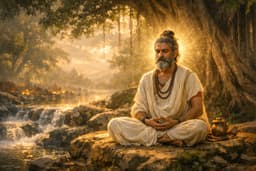
Chanting Om does not require elaborate rituals—it can be practiced by anyone, anywhere. Here’s a simple method:
-
Sit Comfortably – Choose a quiet place and sit with a straight spine.
-
Close Eyes and Breathe – Inhale deeply and exhale slowly.
-
Chant Slowly – Break Om into its components: “A-U-M.” Prolong each syllable.
-
Feel the Vibration – Notice the resonance in your abdomen, chest, and head.
-
Repeat – Chant at least 9, 21, or 108 times using a mala if desired.
The key is not mechanical repetition but mindful awareness of the sound and vibration.
Om in Daily Life
Om is not limited to meditation; it pervades every aspect of Hindu worship and spirituality:
-
Before Mantras – Every sacred chant begins with Om.
-
During Yoga – Yoga sessions often start and end with Om chanting, aligning body and mind.
-
In Temples – Priests use Om to sanctify offerings and rituals.
-
Across Religions – Om is revered in Hinduism, Buddhism, Jainism, and Sikhism, showing its universal appeal.
Om and the Universe
Scientists suggest that the universe itself produces a low-frequency hum. For many, this resonates with the ancient belief that Om is the cosmic sound of creation. Whether viewed spiritually or scientifically, Om is a reminder that we are part of a larger whole.
Why Daily Chanting Matters
Daily repetition of Om amplifies its effects. Just as physical exercise strengthens the body, chanting Om regularly strengthens the mind and spirit. Over time, practitioners experience:
-
Greater mental clarity
-
Emotional stability
-
Improved health and immunity
-
A deeper sense of peace and unity with the cosmos
Conclusion
The power of Om lies in its simplicity and universality. It is the seed sound of creation, carrying within it the essence of all existence. Spiritually, it uplifts the soul; scientifically, it calms the mind and heals the body.
By chanting Om daily, we remind ourselves of our eternal connection with the universe. In each vibration lies the wisdom of the sages, the rhythm of life, and the promise of inner peace.
So the next time you sit for prayer or meditation, take a deep breath, chant Om, and let its timeless vibration guide you into harmony with yourself and the cosmos.