Why Do Hindus Take a Bath Before Pooja?
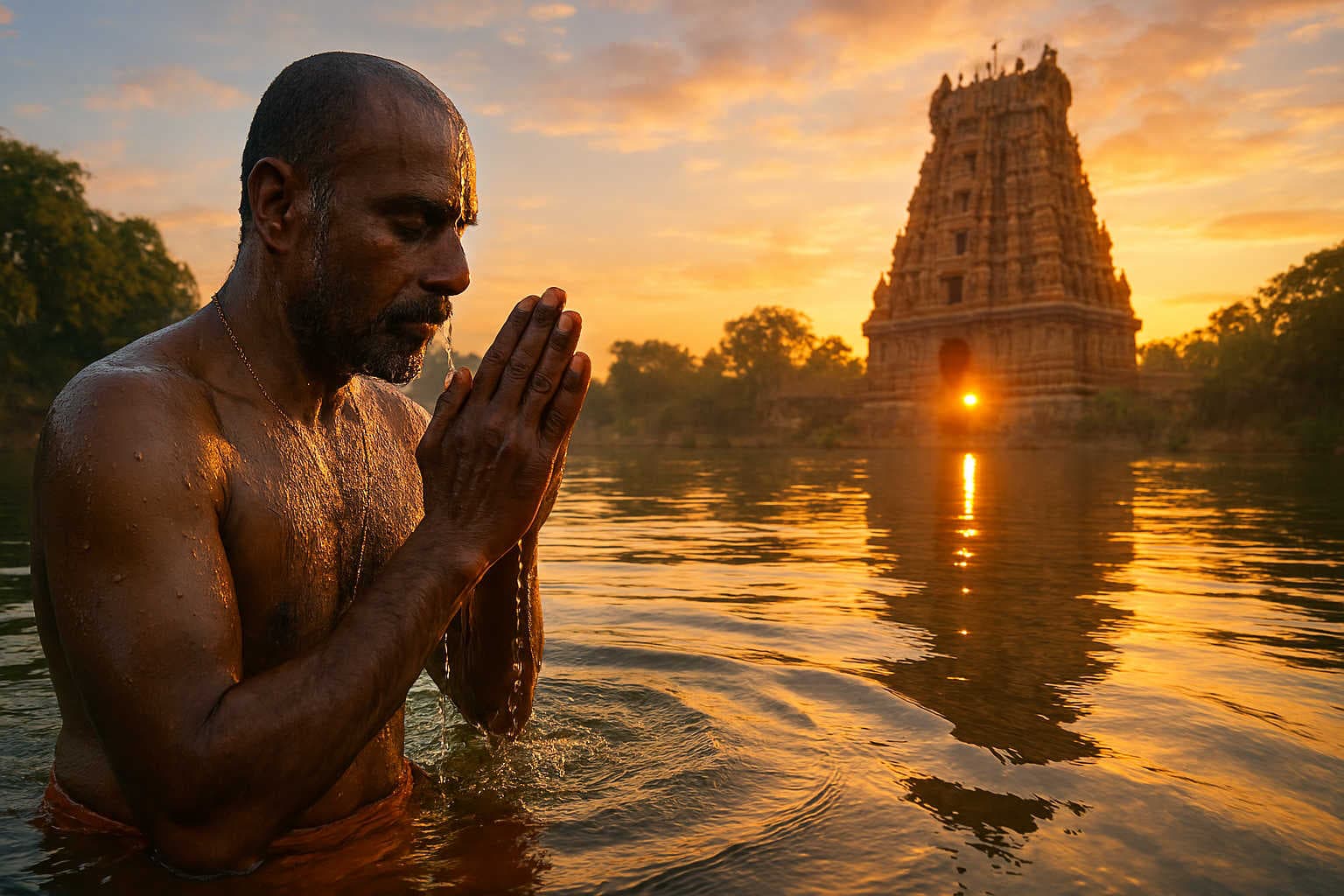
One of the most visible customs in Hindu tradition is the act of bathing before offering prayers. Whether it is an early morning dip in the Ganga, a bath at home before lighting the lamp, or a ritual ablution before entering a temple, Hindus give great importance to cleanliness before worship. The question arises: why is taking a bath before pooja considered so essential? The answer lies not only in hygiene but also in deep spiritual and symbolic reasons that date back thousands of years.
The Concept of Purity in Hinduism
Purity (shuddhi) is central to Hindu rituals. The body is regarded as a sacred temple of the soul, and cleanliness prepares it for communion with the divine. Just as one would clean a temple idol before performing rituals, a devotee must cleanse the body before standing before God.
According to scriptures, purity is of two types:
-
External Purity (Bahya Shuddhi): Physical cleanliness of the body and surroundings.
-
Internal Purity (Antar Shuddhi): Purity of thoughts, emotions, and intentions.
Bathing is the first step toward external purity, which in turn influences internal purity by creating freshness, alertness, and devotion.
Scriptural Basis for Bathing Before Pooja
Ancient texts like the Manusmriti and Dharma Shastras emphasize bathing as a daily duty. The Rigveda refers to water as a purifier, declaring that rivers and sacred waters cleanse sins and negativity. The Garuda Purana notes that worship performed without bathing is incomplete, as the devotee remains in a state of ritual impurity.
Bathing is not just physical washing—it is seen as an act of consecration. By pouring water on the body, one invokes the presence of sacred rivers like Ganga, Yamuna, Saraswati, and Godavari, believing that their spiritual energy washes away karma and impurities.
Symbolism of Bathing Before Worship
Bathing before pooja carries multiple layers of meaning:
-
Cleansing of Karma – Just as water removes dirt, it symbolically washes away past mistakes and prepares the mind for prayer.
-
Renewal of Energy – A fresh body and calm mind help in focusing during worship, making it an act of alert devotion rather than mechanical routine.
-
Respect for the Deity – Bathing reflects humility; one does not appear before God in an unclean state, just as one would not enter a king’s court untidy.
-
Spiritual Awakening – Bathing at dawn, especially in rivers, is linked with activating the life force (prana), preparing the devotee for meditation and mantra recitation.
Types of Ritual Baths
Hindu tradition recognizes different forms of ritual baths, each carrying its own significance:
-
Snana at Home – Daily bathing in clean water before lighting lamps or doing household pooja.
-
Tirtha Snana – Bathing in sacred rivers like the Ganga, Yamuna, or Godavari, believed to free one from sins.
-
Temple Snana – Washing hands, feet, and sometimes the whole body before entering temple sanctums.
-
Festival Baths – Special ritual baths during occasions like Karthika Purnima, Kumbh Mela, or Shivaratri.
-
Achamana – A ritual sipping and sprinkling of water that purifies internally before chanting mantras.
Each type emphasizes that purification of the body aligns the devotee with the divine rhythm.
Scientific and Practical Reasons
Beyond religion, bathing before pooja also has scientific relevance:
-
Morning Bath Stimulates Alertness – Cold water activates the nervous system and awakens the body, making prayer more focused.
-
Hygiene – Cleanliness prevents germs and promotes good health, aligning with the principle of swasthya (well-being).
-
Energy Flow – In yogic tradition, bathing helps activate energy channels (nadis) and balance body heat, aiding meditation.
-
Psychological Readiness – Bathing is a mental reset, shifting one’s state from worldly concerns to spiritual awareness.
Thus, the ritual combines practical hygiene with sacred intent.
Bathing Before Pooja in Daily Life
In many households, family members first bathe, wear clean clothes, and then light the lamp or offer morning prayers. Festivals often begin with a ritual bath, sometimes with turmeric, sandalwood paste, or herbal powders for both cleansing and sanctity. Priests performing temple rituals must bathe multiple times a day to maintain ritual purity.
Even those unable to bathe due to health or circumstances often perform a symbolic purification by washing hands, feet, and face before offering prayers. This shows that the essence lies in intention as much as in physical bathing.
Spiritual Depth of the Practice
At its deepest level, bathing before pooja reflects the Hindu worldview that the divine is both external and internal. Just as water cleanses the outer body, prayer cleanses the inner heart. One without the other is incomplete.
Thus, bathing becomes an act of surrender—washing away ego, negativity, and attachments before standing before the deity. The devotee symbolically offers a cleansed self as a flower in the garland of worship.
Conclusion
Bathing before pooja is not a mere ritual habit but a profound practice rooted in purity, respect, and spiritual awakening. It connects the physical body with the sacred elements, ensuring that worship is performed in a state of freshness and devotion.
By honoring this tradition, Hindus align themselves with a cycle of daily renewal—where each morning begins with water, purity, and prayer. It reminds us that worship is not just an offering to the deity but a transformation of the self.
In essence, when a Hindu takes a bath before pooja, it is not only the body that is cleansed—it is the mind, spirit, and soul that are prepared to meet the divine.