The 108 Divya Desams – Vishnu’s Sacred Abodes
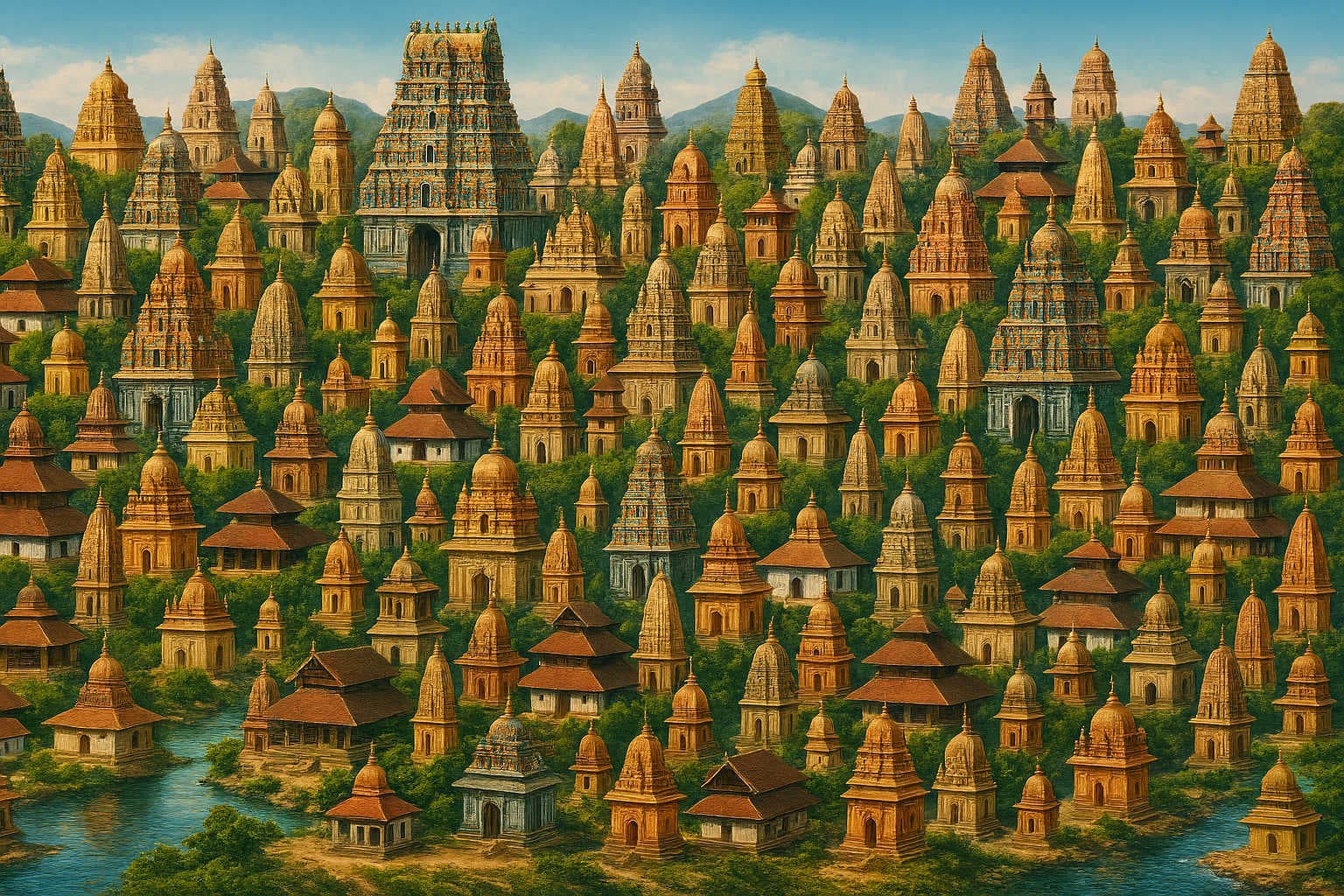
In the sacred tradition of Sri Vaishnavism, there are 108 Divya Desams—temples dedicated to Lord Vishnu that hold unmatched spiritual significance. These temples were celebrated by the Alwars, the Tamil saint-poets of the 6th to 9th centuries, in their devotional hymns known as the Nalayira Divya Prabandham. Together, these abodes form the ultimate pilgrimage circuit for devotees of Vishnu, stretching across India and beyond.
The Divya Desams are not merely temples; they represent the cosmic presence of Vishnu in his many forms, ranging from reclining on the cosmic serpent Ananta, to standing as a protector, or seated in royal splendor. For devotees, visiting all 108 Divya Desams is considered a path to moksha (liberation).
Origins of the Divya Desam Tradition
The Alwars—a group of 12 mystic saints—composed over 4,000 verses in praise of Vishnu. In their songs, they described the beauty, power, and sanctity of these shrines. From these outpourings of devotion arose the concept of the Divya Desams—temples sanctified by the divine experience of the Alwars.
The tradition was later systematized by Acharyas like Ramanuja, who emphasized pilgrimage to these sites as a way to strengthen one’s bond with the Lord.
Geographical Spread
While the majority of the Divya Desams (84) are located in Tamil Nadu, their presence spans much further:
-
Kerala: 11 temples, often showcasing unique wooden architecture and serene riverbanks.
-
Andhra Pradesh & Telangana: 2 temples, including Ahobilam, famous for Narasimha.
-
Uttarakhand: 5 temples, forming part of the Himalayan Vaishnava circuit, including Badrinath, the most revered.
-
Other States: A few temples are located in Gujarat, Uttar Pradesh, and Odisha.
-
Beyond India: Two Divya Desams are located outside India—Thiruvananthapuram’s Thiruvanparisaram (Sri Lanka) and Thiruvananthapuram’s Thiruvanparisaram (Nepal’s Muktinath), reflecting the wide spread of Vaishnavism.
This vast spread signifies Vishnu’s omnipresence across the sacred geography of Bharat and beyond.
Types of Vishnu’s Forms in Divya Desams
The Divya Desams are categorized based on how Lord Vishnu is enshrined:
-
Standing Posture (Ninra Thirukolam) – Symbolizing protection and guardianship.
-
Sitting Posture (Irundha Thirukolam) – Representing royal majesty.
-
Reclining Posture (Kidantha Thirukolam) – Depicting Vishnu’s cosmic rest on Ananta, as seen in temples like Srirangam and Thiruvananthapuram.
-
Unique Manifestations – Such as Narasimha at Ahobilam, Vamana at Thrikkakara, and Varaha at Srimushnam.
Each temple emphasizes a distinct aspect of Vishnu’s boundless divinity.
Notable Divya Desams
Among the 108, some hold special prominence:
-
Srirangam (Tamil Nadu): The foremost Divya Desam and the spiritual capital of Sri Vaishnavism, with Ranganatha reclining in majesty.
-
Tirupati (Andhra Pradesh): Lord Venkateswara, the wealthiest and most visited shrine.
-
Kanchipuram (Tamil Nadu): Several Divya Desams are here, including Varadaraja Perumal.
-
Badrinath (Uttarakhand): Nestled in the Himalayas, it emphasizes Vishnu’s role as the preserver in harsh terrain.
-
Thiruvananthapuram (Kerala): Padmanabhaswamy, where Vishnu reclines in an expansive cosmic posture.
-
Muktinath (Nepal): A rare Divya Desam outside India, symbolizing liberation.
Together, these temples create a tapestry of devotion across the subcontinent.
The Role of the Alwars
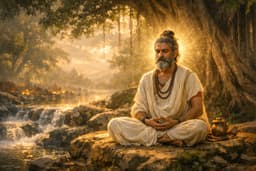
The Alwars were not just poets; they were mystics whose experiences of Vishnu were deeply personal and transformative. Saints like Periyalwar, Andal, Nammalwar, and Tirumangai Alwar composed verses filled with love, surrender, and longing for the divine. Their hymns turned these shrines into living centers of devotion.
For example:
-
Andal’s verses glorify Srivilliputhur, her birthplace and a Divya Desam.
-
Nammalwar’s hymns emphasize complete surrender (prapatti) at Vishnu’s feet.
Because of the Alwars’ outpourings, the Divya Desams are seen not merely as physical places but as eternal abodes where one can directly experience Vishnu’s presence.
Pilgrimage and Practice
The pilgrimage to the 108 Divya Desams is considered the ultimate Vaishnava yatra. While visiting all in one lifetime is challenging, devotees often take regional circuits:
-
Chola Nadu: Concentration of temples around Kumbakonam and Thanjavur.
-
Pandya Nadu: Temples of southern Tamil Nadu, including Madurai.
-
Malai Nadu (Kerala): Vishnu temples set amidst rivers and forests.
-
Vada Nadu (North India): Including Badrinath and Muktinath.
In each temple, rituals follow Vaishnava Agamic traditions, with emphasis on chanting of the Divya Prabandham, prasadam distribution, and elaborate festivals.
Festivals of the Divya Desams
Festivals here are deeply rooted in Tamil and Vaishnava culture:
-
Vaikunta Ekadashi: Celebrated in Srirangam with grandeur, symbolizing entry into Vishnu’s eternal abode.
-
Brahmotsavam: Conducted in many Divya Desams, most famously at Tirupati.
-
Panguni Uthiram & Andal’s Thirukalyanam: Celebrated in Srivilliputhur.
These festivals keep alive the devotional fervor that began with the Alwars centuries ago.
Spiritual Importance
The Divya Desams embody the Vaishnava ideal of bhakti (devotion) and prapatti (surrender). They remind devotees that Vishnu resides not just in the heavens but in temples across the earth, accessible to all.
Visiting these shrines is seen as a journey through the Lord’s cosmic forms, leading the soul towards liberation. For followers of Sri Vaishnavism, the Divya Desams form the sacred geography of their faith.
Conclusion
The 108 Divya Desams are far more than a collection of temples. They are living testimonies of devotion, shaped by the Alwars’ hymns, sustained by dynasties, and cherished by millions of devotees. Spread across the diverse landscapes of India and beyond, they connect the earthly with the divine.
To walk the path of the Divya Desams is to walk the path of the Alwars—to experience the Lord not just as a deity, but as a beloved who resides in sacred shrines, in songs, and ultimately, in the hearts of devotees.