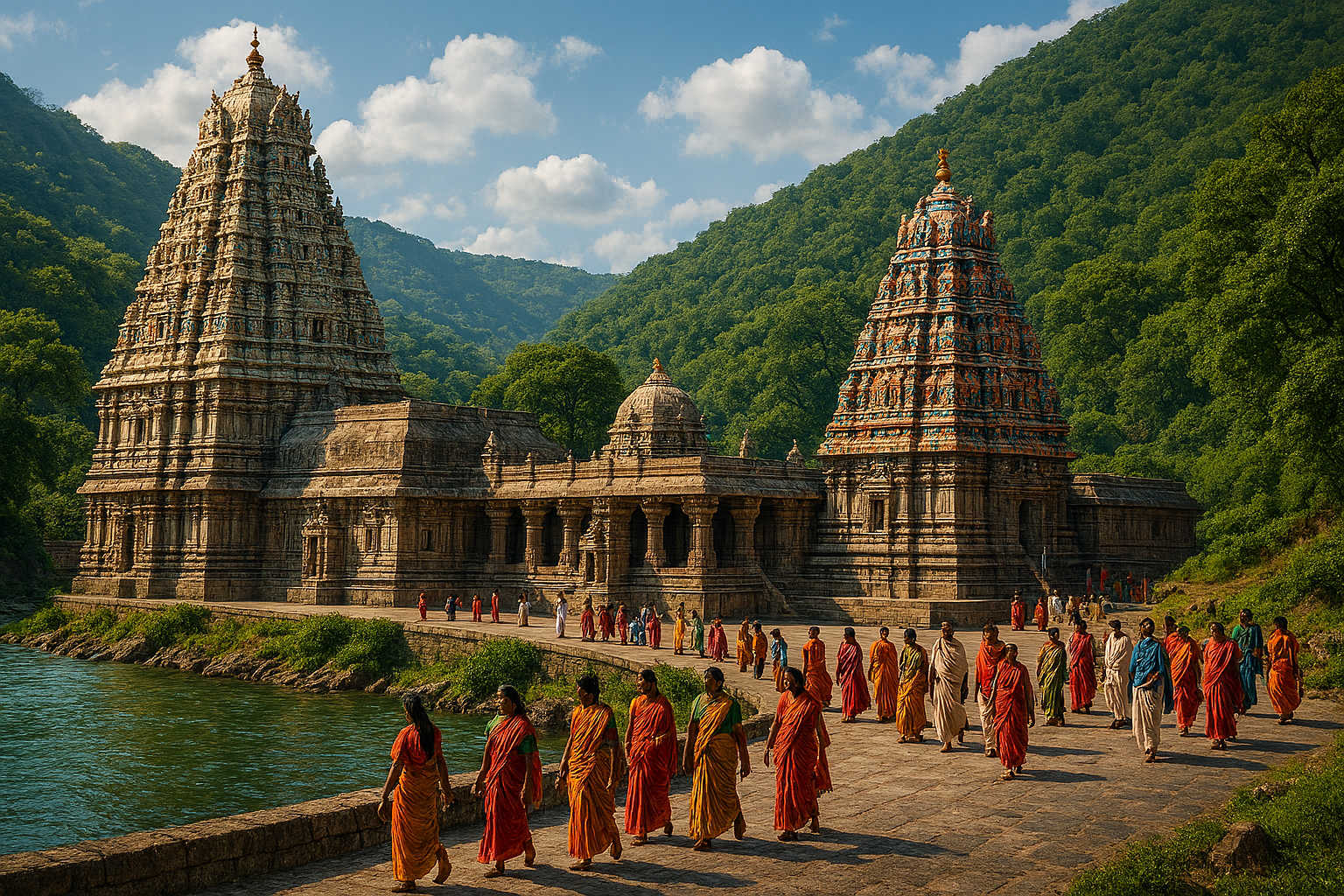
Srisailam – Temple Hidden in Hills
Deep in the Nallamala hills of Andhra Pradesh lies Srisailam, one of the most sacred pilgrimage destinations in India. The town is home to the Mallikarjuna Jyotirlinga and Bhramaramba Devi Shakti Peetha, making it a rare place where Shiva and Shakti are worshipped together with equal reverence. Surrounded by dense forests and overlooking the sacred river Krishna, the temple complex is often called the “hidden jewel of the hills.”
Srisailam is not only a holy center but also a treasure trove of legends, architecture, and natural beauty. Its significance spans the Puranas, epics, and folk traditions, making it a unique destination where spirituality blends seamlessly with nature.
Mythological Significance
The story of Srisailam’s sanctity begins with Shiva himself. According to legend, Lord Shiva manifested here as the Jyotirlinga of Mallikarjuna to bless his son Kartikeya. After a disagreement, Kartikeya moved to Mount Krauncha in sorrow. To console him, Shiva and Parvati came to Srisailam and stayed here permanently. Because Shiva was worshipped with jasmine flowers (mallika), he came to be known as Mallikarjuna.
The goddess here is Bhramaramba Devi, one of the 18 primary Shakti Peethas. It is believed that when Sati’s neck fell at this spot, she manifested as the goddess Bhramaramba. Together, Mallikarjuna and Bhramaramba symbolize the union of Shiva and Shakti, a rare blessing for devotees.
The Temple Architecture
The Srisailam Temple showcases the grandeur of Dravidian architecture. The sprawling complex covers acres of land and features tall gopuram towers, intricately carved stone halls, and sacred courtyards.
-
Sanctum of Mallikarjuna: The Jyotirlinga here is small but immensely powerful. Devotees believe just a glimpse (darshan) of the lingam grants liberation from sins.
-
Bhramaramba Temple: Adjacent to Mallikarjuna, this shrine houses the goddess in a powerful form. Her worship is central to the Shakti tradition in southern India.
-
Mandapas and Carvings: The temple has several beautifully carved halls, with scenes from epics like the Ramayana and Mahabharata, as well as depictions of Shiva’s cosmic dance.
-
Gopurams: The towering gateways are adorned with colorful sculptures and inscriptions, showcasing contributions from the Vijayanagara kings and the Chola dynasty.
Unlike many temples, Srisailam feels like a small sacred city within itself, combining both spiritual and architectural marvels.
Sacred Surroundings
The temple’s location is as significant as its deities. Nestled in the Nallamala hills, Srisailam is surrounded by thick forests, wildlife, and the ever-flowing Krishna river. The serene landscape amplifies the temple’s mystical aura.
One of the most sacred rituals for pilgrims is a dip in the Pathala Ganga, the stretch of the Krishna river near the temple. Many devotees trek down hundreds of steps to reach the river, believing the holy waters purify body and soul.
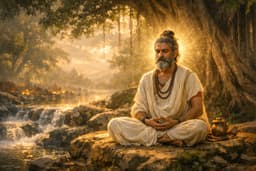
Nearby, the Akkamahadevi Caves—natural rock formations where the saint Akkamahadevi meditated—add to the site’s spiritual richness.
Festivals and Rituals
Srisailam is a hub of religious activity year-round, but certain festivals stand out:
-
Maha Shivaratri: Thousands of devotees gather for night-long prayers and rituals honoring Lord Shiva.
-
Navaratri: Dedicated to Bhramaramba Devi, this festival fills the temple with music, dance, and devotion.
-
Kartik Purnima: A special day for lighting lamps and offering prayers to both deities.
Daily rituals include Abhishekam (sacred bathing of the lingam), Archana, and offerings of mallika (jasmine flowers) to the lord. The unique tradition of combining Shiva and Shakti worship ensures both masculine and feminine divine energies are honored.
Spiritual Importance
Srisailam is one of the twelve Jyotirlingas and one of the eighteen Shakti Peethas, making it spiritually unparalleled. Devotees believe:
-
Worshipping Mallikarjuna grants liberation from the cycle of birth and death.
-
Seeking Bhramaramba’s blessings removes fear and grants strength.
-
Couples often visit the temple to pray for harmony and children.
Because of this dual sanctity, Srisailam is often described as the “Kailash of the South.”
Historical Patronage
The temple has flourished under several dynasties:
-
The Chalukyas and Cholas contributed to the earliest structures.
-
The Vijayanagara rulers, especially King Harihara and Krishnadevaraya, expanded the temple and built massive gopurams.
-
Inscriptions found at the site reveal donations and endowments by kings, queens, and common devotees, reflecting its widespread reverence.
This continuous patronage ensured that the temple grew into one of the most important spiritual and cultural hubs of South India.
Visiting Srisailam
-
Location: In Kurnool district, Andhra Pradesh, around 215 km from Hyderabad.
-
Best Time: October to March for pleasant weather. Shivaratri and Navaratri are especially vibrant times to visit.
-
Accessibility: Well connected by road from Hyderabad and other Andhra cities. The scenic drive through the Nallamala hills is part of the pilgrimage experience.
Conclusion
The Srisailam Mallikarjuna Temple is more than a place of worship—it is a spiritual sanctuary hidden in the hills. With its rare combination of Jyotirlinga and Shakti Peetha, its lush natural surroundings, and its centuries-old traditions, the temple continues to inspire awe and devotion.
For the seeker, Srisailam offers not just rituals and darshan, but an intimate experience of the divine forces of Shiva and Shakti, dwelling eternally in the heart of the Nallamala forests. It is a reminder that in the stillness of the hills, the eternal dance of creation and dissolution continues under the watch of the hidden lord and mother.