Shamlaji Temple – Gujarat’s Ancient Shrine
Nestled on the banks of the Meshwo River in Gujarat’s Sabarkantha district lies the sacred Shamlaji Temple, one of the most revered shrines of Lord Vishnu in western India. Often referred to as the Dholi Dhajawala Temple (the temple with the white flag), this shrine is an enduring symbol of devotion, architecture, and cultural fusion that spans centuries.
The temple has long attracted pilgrims, ascetics, and travelers from across India, not only for its divine sanctity but also for its fascinating blend of history and mythology.
Mythological Origins
The origins of the Shamlaji Temple are deeply rooted in Hindu mythology. The presiding deity is Lord Vishnu, worshipped here as Shamlaji or Gadadhar (the one with the mace).
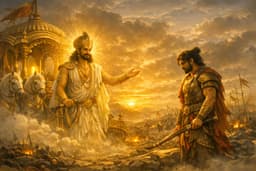
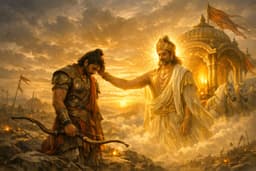
One legend narrates that Lord Vishnu once appeared on this very site, blessing the land and promising to reside here eternally. Another tradition connects the shrine to the Mahabharata, stating that the Pandavas once halted here during their exile and offered prayers to Vishnu. Some scholars also suggest that the temple has links with Shaivism and Jainism at different points in history, making it a truly inclusive spiritual space.
Architectural Splendor
The present temple is believed to have been constructed around the 11th century CE, though it has undergone renovations over time.
-
Design: The temple is built in the Solanki style of architecture, similar to the famous Sun Temple at Modhera. It is richly decorated with stone carvings that depict gods, goddesses, animals, dancers, and mythological narratives.
-
Sanctum: The main sanctum houses a striking silver idol of Lord Vishnu (Shamlaji), which devotees believe to be self-manifested (swayambhu). The deity is adorned with jewels and bright garments, radiating divine charm.
-
Pillars and Domes: The interiors showcase intricately carved pillars, ornate domes, and high ceilings that create a sense of grandeur and spirituality.
-
Frescoes and Carvings: The walls bear depictions from epics such as the Ramayana and Mahabharata, along with detailed carvings of elephants, lions, and floral motifs.
The temple stands as a testament to the artistic brilliance of Gujarat’s medieval craftsmen.
Spiritual Importance
Shamlaji Temple is one of the most important Vaishnavite shrines in Gujarat. Devotees believe that praying here brings prosperity, removes obstacles, and grants liberation (moksha). The temple is also part of the Vaishnav Char Dham of Gujarat, making it a vital stop for pilgrims.
The sanctity of the place is enhanced by the Meshwo River, where pilgrims often take a ritual bath before offering prayers. The riverbanks, surrounded by hills and forests, provide a serene backdrop for meditation and devotion.
Shamlaji Fair – A Cultural Celebration
The most spectacular event at Shamlaji Temple is the Shamlaji Fair, held annually during the month of Kartik (October–November). This vibrant fair draws thousands of pilgrims from Gujarat, Rajasthan, and Madhya Pradesh.
-
Rituals: Devotees carry flags and offer prayers at the shrine, seeking blessings from Lord Shamlaji.
-
Cultural Mix: The fair is not limited to Hindus alone; tribal communities, including the Bhils and Garasias, participate with equal enthusiasm, blending folk traditions with mainstream Hindu worship.
-
Market Stalls: Colorful stalls selling ornaments, clothes, toys, and sweets line the area, giving the fair a festive atmosphere.
-
Folk Art: Traditional music, dance, and storytelling performances bring the rich cultural heritage of Gujarat to life.
This fair not only reinforces the temple’s spiritual importance but also celebrates the unity of diverse communities.
Historical Significance
Archaeological studies suggest that the temple site was once a thriving center for multiple religious traditions. The area surrounding Shamlaji has yielded remains of Buddhist stupas and Jain temples, showing its pluralistic past.
The temple itself has survived attacks and reconstructions over centuries, demonstrating the resilience of faith. Its architecture reflects contributions from different dynasties, including the Solankis, Mughals, and local rulers, making it a unique cultural amalgamation.
Visiting Shamlaji Today
-
Location: The temple is situated in Sabarkantha district, about 120 km from Ahmedabad and 30 km from Himatnagar.
-
Accessibility: It is well-connected by road, and the nearest railway station is Himatnagar.
-
Best Time to Visit: The months from October to March are most favorable due to pleasant weather and festive celebrations.
-
Nearby Attractions: The surrounding forests and hills are home to ancient ruins, tribal hamlets, and natural beauty, offering a blend of spirituality and exploration.
Conclusion
The Shamlaji Temple is more than an ancient shrine; it is a living symbol of Gujarat’s religious devotion, architectural brilliance, and cultural inclusivity. From its silver idol of Vishnu to its vibrant fair that unites people across faiths and communities, Shamlaji continues to inspire awe and reverence.
For the pilgrim, it offers spiritual solace; for the historian, it reveals a layered past; and for the traveler, it provides a journey into the heart of Gujarat’s sacred traditions.
Shamlaji stands as a shining reminder that faith and culture, when carved into stone and celebrated in festivals, can endure the passage of time and remain eternally relevant.