Raksha Bandhan – Bond of Protection Through the Ages
Raksha Bandhan, or Rakhi, is a festival that beautifully embodies the sacred bond between brothers and sisters. Celebrated on the full moon day of Shravan (July–August) in the Hindu calendar, this festival is not just about tying a decorative thread on a wrist—it is about love, trust, protection, and a deep-rooted emotional connection that transcends time.
🧵 The Symbolism of the Rakhi
The word ‘Raksha’ means protection, and ‘Bandhan’ means bond. The rakhi, a thread often adorned with colorful beads, motifs, and symbols, becomes a sacred tie of promise. When a sister ties a rakhi around her brother's wrist, she prays for his well-being, success, and long life. In return, the brother vows to protect and stand by her in all circumstances.
Over the years, the rakhi has evolved from simple threads to ornate bracelets, but its essence remains the same—a gesture of love and a silent vow of lifelong support.
🪔 Historical and Mythological Roots
The origins of Raksha Bandhan are found in ancient Indian texts, legends, and folklore:
-
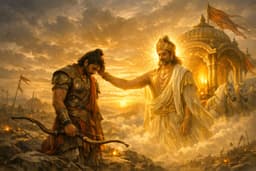
Draupadi and Krishna: One of the most famous stories links to the Mahabharata. When Krishna injured his finger, Draupadi tore a piece of her saree and tied it on his wound. Touched by the gesture, Krishna promised to protect her always—a vow he fulfilled during the disrobing episode in the Kaurava court.
-
Rani Karnavati and Humayun: During medieval India, Rani Karnavati of Chittor sent a rakhi to the Mughal emperor Humayun, seeking his help against the invasion of Bahadur Shah. Honoring the sacred thread, Humayun rushed to her aid, though he arrived too late. The gesture became a symbol of political and emotional alliance.
-
Yama and Yamuna: According to another legend, the river goddess Yamuna tied a rakhi to her brother Yama, the god of death. Touched by her love, Yama granted her immortality and declared that any brother who receives a rakhi and promises protection will be blessed with a long life.
These stories reflect how the rakhi transcended religious, social, and political barriers to become a symbol of universal brotherhood and unity.
🏠 Rituals and Modern Celebrations
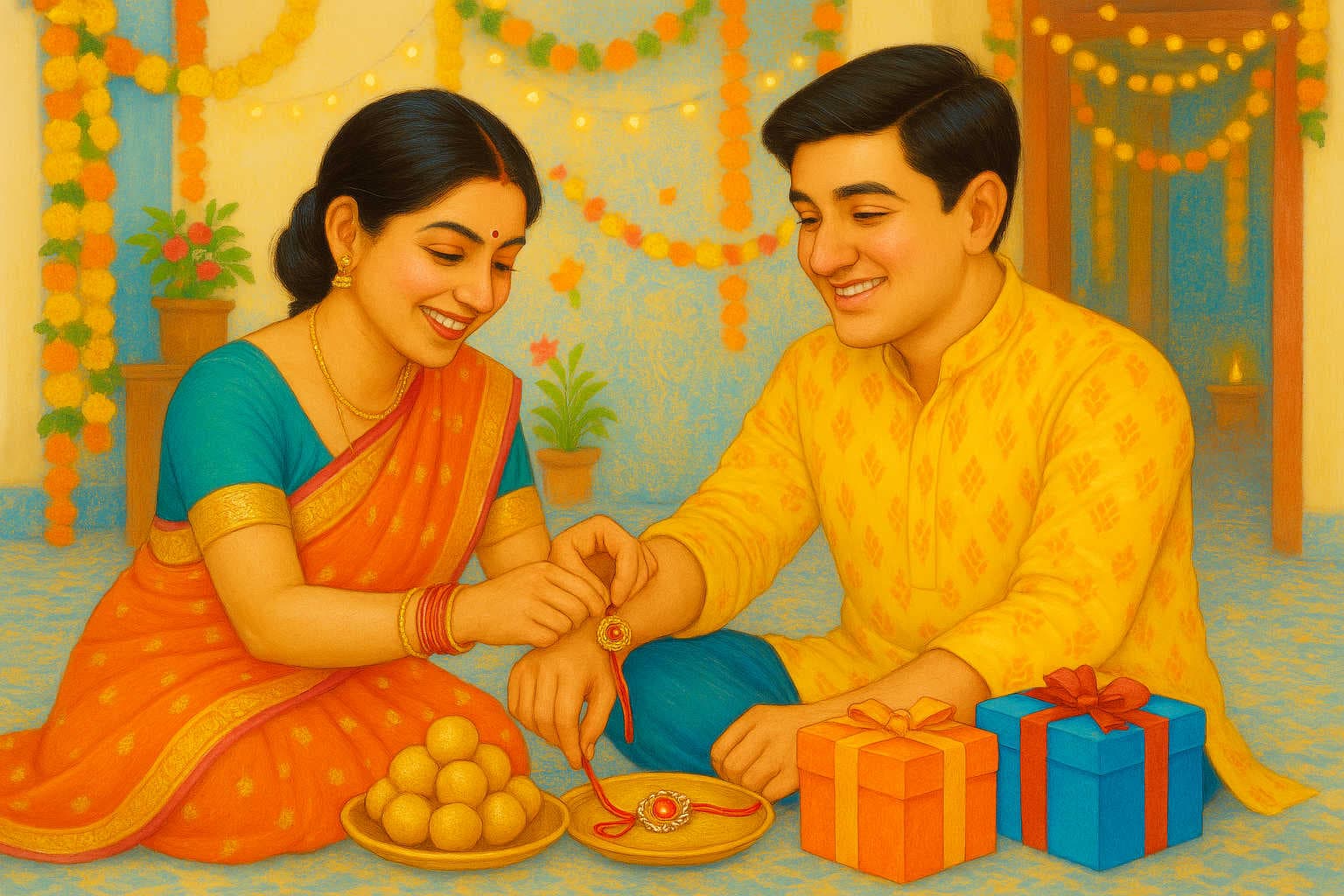
On the morning of Raksha Bandhan, siblings bathe, wear traditional clothes, and gather for a rakhi tying ceremony. The sister prepares a thali (plate) with:
-
Rakhi
-
Sweets (like laddoos or barfi)
-
A diya (lamp)
-
Roli and rice for tilak
She applies a tilak on her brother's forehead, ties the rakhi, and offers him sweets. The brother, in turn, gives her a gift—sometimes symbolic, sometimes extravagant—and promises to protect her always.
Today, Raksha Bandhan isn’t just confined to biological siblings. It is increasingly celebrated among cousins, friends, and even between soldiers and citizens. Many women tie rakhis to Indian soldiers as a mark of respect and gratitude.
With families becoming more global, virtual rakhis and online gifting have also become a norm. Yet, the emotional connection remains strong. It’s not just a ritual—it's an annual reminder of unconditional love and familial duty.
💌 More Than a Festival – A Celebration of Values
At its heart, Raksha Bandhan is a celebration of relationships—not just between siblings, but of human values like trust, loyalty, love, and protection. It fosters a sense of unity in families and reminds us to cherish those who stand by us.
In many parts of India, the festival is also seen as an occasion to renew commitments of social harmony, promote gender respect, and strengthen community ties.
Some families also use this day to reflect on:
-
The importance of emotional support in tough times.
-
Respecting each other's life choices and boundaries.
-
The evolving role of siblings in a modern, fast-paced world.
🎁 The Joy of Giving and Bonding
Exchanging gifts is a major part of Raksha Bandhan. Brothers traditionally give money, clothes, jewelry, or personalized items to their sisters. Today, sisters also give gifts to their brothers, making the exchange mutual and joyful.
The act of gifting goes beyond materialism—it’s a way of expressing gratitude, acknowledgment, and thoughtfulness. It’s a moment when even the quietest siblings pause to reconnect, relive childhood memories, and appreciate each other.
🌸 The Universal Spirit of Rakhi
While Raksha Bandhan has its roots in Indian tradition, the values it upholds—love, protection, family bonding, emotional strength—are universal. In an era where individualism often takes center stage, festivals like Rakhi remind us of the strength we draw from our relationships.
It’s a day to pause and say, "I’ve got your back."
Whether you’re near or far, whether you celebrate with an actual thread or a virtual call, the spirit of Raksha Bandhan continues to weave generations together—a timeless bond of love and protection through the ages.