Baglamukhi Temple – Goddess Who Stops Enemies
Among the ten Mahavidyas (great wisdom goddesses) of Hindu Tantra, Goddess Baglamukhi holds a special place as the one who paralyzes enemies and destroys evil influences. Her temple, known as the Baglamukhi Temple, is one of the most powerful Shakti shrines in India, visited by devotees seeking victory, justice, and protection from adversaries.
Located in Himachal Pradesh, near Kangra in a town called Bankhandi, the Baglamukhi Temple draws not only pilgrims but also spiritual seekers, tantriks, and yogis who believe in her extraordinary powers.
Who is Goddess Baglamukhi?
The name Baglamukhi comes from Valga (bridle) and Mukhi (face), meaning “the Goddess who restrains” or “the Goddess who controls enemies.”
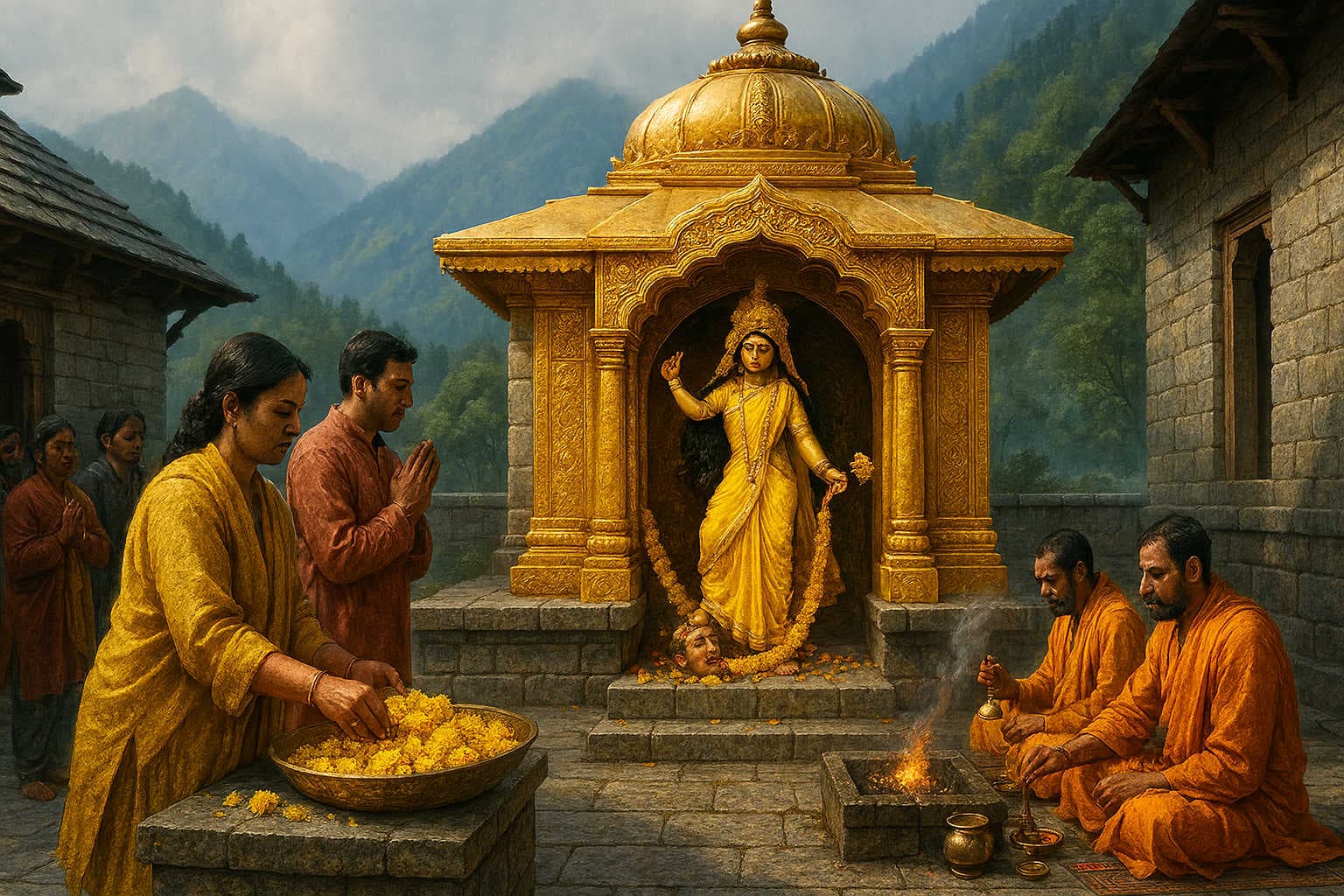
She is often depicted as a golden-hued goddess, clad in yellow garments, symbolizing knowledge and power. In her most famous pose, she is shown holding the tongue of a demon with one hand and striking him with a club in the other, signifying her ability to paralyze speech and actions of those who oppose her devotees.
Baglamukhi is worshipped for:
-
Victory in legal battles.
-
Neutralizing negative energies and black magic.
-
Protection from enemies and rivals.
-
Success in competitive fields.
Legends of Baglamukhi
According to ancient legends, once a mighty storm threatened to destroy the universe. The gods prayed to Goddess Parvati, who manifested as Baglamukhi Devi. She calmed the storm with her divine power, restoring balance.
Another legend speaks of a demon named Madanasura who gained a boon that whatever he spoke would come true. Intoxicated with power, he misused it to trouble gods and humans alike. Baglamukhi appeared to silence him—grabbing his tongue and rendering him powerless. This act earned her the title of “Stambhana Shakti” (the power to immobilize).
The Baglamukhi Temple in Himachal
The most famous shrine of Baglamukhi is located at Bankhandi, Kangra district, Himachal Pradesh. Nestled amidst the Shivalik hills, the temple is surrounded by lush greenery and serene landscapes, making it a peaceful yet spiritually charged site.
-
Sanctum: The sanctum houses the golden idol of Goddess Baglamukhi, draped in yellow cloth and adorned with yellow flowers.
-
Architecture: The temple reflects traditional North Indian style, with a golden-roofed sanctum and spacious courtyard.
-
Yellow Theme: Everything associated with the temple—from offerings to decorations—is yellow, as it is considered the Goddess’s favorite color.
Tantric Significance
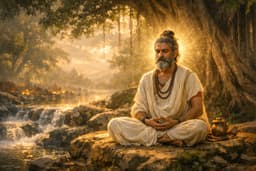
Baglamukhi is considered one of the most important goddesses in Tantric practices. She represents the power of Stambhana—the ability to immobilize or silence.
Tantrik rituals at this temple often involve:
-
Use of yellow garments, turmeric, and yellow flowers.
-
Chanting of the Baglamukhi Mantra to seek victory over enemies.
-
Special midnight sadhanas performed by advanced practitioners for spiritual powers.
Because of these associations, the temple attracts both traditional devotees and tantric practitioners from across India.
Rituals and Worship
Worship at the Baglamukhi Temple follows unique traditions:
-
Yellow Offerings: Devotees bring yellow sweets, turmeric, and flowers as offerings.
-
Baglamukhi Mantra Japa: Chanting her mantras is believed to protect devotees from curses, evil eye, and enemies.
-
Special Homas: Fire rituals (yajnas) dedicated to Baglamukhi are performed for legal victories, business success, or removal of obstacles.
On Thursdays, the temple witnesses the largest number of devotees, as the day is considered especially auspicious for Baglamukhi.
Festivals and Celebrations
The temple becomes particularly vibrant during:
-
Navratri: Nine nights of worship when Baglamukhi is invoked with special pujas and tantric rituals.
-
Basanti Navratri: A special time in spring when her yellow-themed worship is celebrated with grandeur.
-
Guru Purnima: Yogis and tantriks gather to perform advanced sadhanas under the blessings of the Goddess.
Why Devotees Visit Baglamukhi Temple
For centuries, devotees have come to Baglamukhi Temple with prayers for relief and protection. They believe that the Goddess:
-
Shields them from enemies and harmful influences.
-
Helps win legal disputes or business conflicts.
-
Strengthens inner resolve and courage.
-
Bestows peace by silencing negativity.
Many visitors also report a sense of calm, as if negative energies are lifted away after praying at the temple.
Other Baglamukhi Temples in India
While the Himachal temple is the most famous, Baglamukhi is also worshipped in:
-
Datia, Madhya Pradesh – Another important tantric shrine.
-
Assam and Kerala – Smaller shrines dedicated to her worship.
Each temple emphasizes her power to paralyze evil and grant justice.
Conclusion
The Baglamukhi Temple is not just a place of worship but a sanctuary of protection and power. As the Goddess who stops enemies, she stands as a fierce guardian for her devotees, ensuring victory, peace, and spiritual strength.
For those who visit, the temple offers more than ritual—it offers reassurance. In the serene surroundings of Himachal’s hills, one feels the strength of the Red Goddess who silences negativity and empowers the faithful.
Baglamukhi’s message is clear: truth and devotion will always triumph over deceit and hostility.