Tarakeshwar – Shiva as Liberator of Souls
Nestled along the serene banks of the Kali River in Hooghly district, West Bengal, the Tarakeshwar Shiva Temple stands as one of the most revered Shaivite shrines in eastern India. The temple is dedicated to Lord Shiva in his form as Tarakeshwar, the divine liberator of souls (Tarakeshwara literally means “Savior of Souls”), attracting thousands of devotees each year who seek spiritual solace, peace, and moksha.
Tarakeshwar is not only a destination of faith but also a symbol of cultural continuity, blending devotion, history, and scenic natural surroundings.
The Sacred Deity – Tarakeshwar Shiva
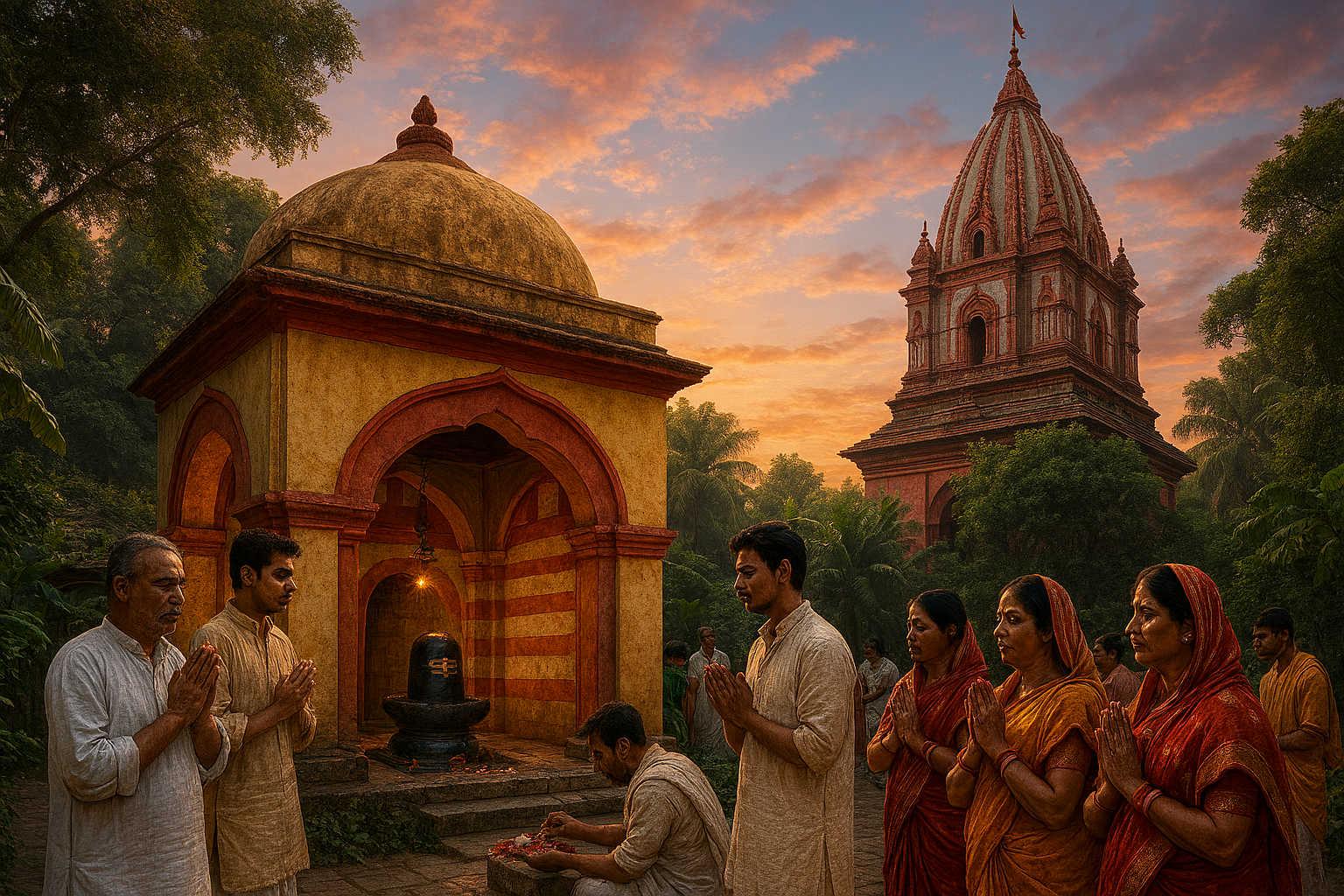
At the heart of the temple resides the Shiva Linga, worshipped as Tarakeshwar, believed to grant liberation from the cycle of birth and death. Devotees believe that sincere worship and offerings to this form of Shiva can absolve sins and bring spiritual enlightenment.
Legends say that the deity appeared at this location to guide devotees toward self-realization and liberation, making the temple a vital pilgrimage center for seekers of moksha. Unlike many other Shiva temples, Tarakeshwar emphasizes the compassionate aspect of Shiva as a spiritual guide.
Historical Background
The history of Tarakeshwar Temple is intertwined with local legends and devotional movements:
-
The temple was formally constructed in the 18th century by Raja Bhabani Prasad, though the site had been sacred for centuries.
-
Devotees and sadhus historically gathered here for meditation, penance, and communal worship.
-
Tarakeshwar has been a center for Tantric practices and Shaiva rituals, reflecting the spiritual depth of Bengal’s Shaivite tradition.
Today, it remains a major pilgrimage site, attracting devotees from all over India, particularly during festivals like Maha Shivaratri and Shivaratri Mela.
The Temple Architecture
Tarakeshwar Temple combines simple elegance with spiritual grandeur:
-
Sanctum (Garbhagriha): Houses the primary Shiva Linga, surrounded by smaller shrines of Parvati, Ganesha, and Kartikeya.
-
Temple Tower (Shikhara): The modest yet graceful spire rises above the sanctum, signifying the cosmic axis connecting earth and divinity.
-
Courtyard and Sacred Tank: Devotees perform ablutions in the nearby pond before offering prayers, a ritual believed to purify both body and soul.
Though smaller than some of India’s grand Shaivite temples, Tarakeshwar’s charm lies in its spiritual aura and tranquil surroundings, creating an intimate and contemplative pilgrimage experience.
Legends and Mythology
Several legends make Tarakeshwar uniquely significant:
-
Liberation of Souls: It is believed that souls who approach Lord Tarakeshwar with devotion are freed from the cycle of rebirth, emphasizing Shiva’s role as Tarakeshwara.
-
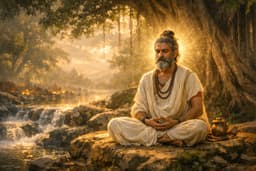
Sage Influence: Local legends tell of sages and rishis meditating on this spot, invoking Shiva’s presence to bless seekers with spiritual wisdom.
-
Divine Manifestation: The riverbank where the temple stands is believed to be sanctified by Shiva’s appearance, making the surroundings sacred and spiritually charged.
These stories imbue every corner of the temple with divine significance, inspiring devotees to seek a personal connection with Lord Shiva.
Rituals and Worship
Worship at Tarakeshwar follows traditional Shaiva practices:
-
Abhishekam: Devotees bathe the Shiva Linga with water, milk, honey, and sacred ash, symbolizing purification and devotion.
-
Archana and Offerings: Flowers, bilva leaves, and fruits are offered, accompanied by chanting of sacred mantras.
-
Meditation and Japa: Many pilgrims meditate near the temple or chant the Maha Mrityunjaya Mantra, seeking spiritual protection and liberation.
-
Evening Aarti: The temple comes alive as lamps are lit, creating an atmosphere of divine serenity.
The temple also accommodates sadhus and wandering monks, who perform penance and offer guidance to devotees.
Festivals and Celebrations
Tarakeshwar Temple is especially vibrant during major festivals:
-
Maha Shivaratri: The grandest event at Tarakeshwar, attracting thousands of devotees who fast, chant, and participate in night-long rituals.
-
Shivaratri Mela: Local fairs and cultural events coincide with this festival, creating a lively environment where devotion and tradition merge.
-
Kartika Purnima and Other Holy Days: Pilgrims visit to perform special rituals, seeking Shiva’s blessings for peace, prosperity, and spiritual growth.
These festivals showcase not only devotion but also Bengal’s rich cultural traditions surrounding Shaivism.
Spiritual Significance
Tarakeshwar is considered a gateway to moksha, emphasizing Shiva as the ultimate liberator:
-
Devotees believe that sincere worship removes karmic burdens and grants inner peace.
-
The serene riverbank, temple gardens, and quiet sanctum foster meditation and self-reflection.
-
The temple is a center for philosophical discourse and spiritual learning, where sadhus and pilgrims discuss scriptures and practices.
Thus, Tarakeshwar is both a place of ritual worship and a sanctuary for inner spiritual exploration.
Cultural and Pilgrimage Importance
Tarakeshwar is a hub of religious and cultural life in West Bengal:
-
The temple’s location in Hooghly district makes it accessible from Kolkata and other major cities.
-
Pilgrimage here often includes visits to nearby temples dedicated to Vishnu, Kali, and other deities, reflecting Bengal’s syncretic spiritual heritage.
-
The temple is also a site for community gatherings, where cultural and devotional performances are held during festival times.
It continues to preserve and transmit centuries of Shaivite devotion and Bengali temple culture.
Conclusion
The Tarakeshwar Shiva Temple is more than a physical structure; it is a spiritual beacon where devotees come to experience Shiva’s grace as the liberator of souls. Its peaceful surroundings, rich mythology, and devoted community make it one of eastern India’s most important Shaivite centers.
A pilgrimage to Tarakeshwar is not only an act of devotion but also a journey of the soul—a chance to meditate on life, seek forgiveness, and aspire toward liberation. For anyone seeking spiritual solace, cultural richness, and a deeper understanding of Shaivism, Tarakeshwar stands as an enduring sanctuary, radiating divinity along the tranquil banks of the Kali River.