Nava Tirupati – Nine Shrines of Vishnu in Tamil Nadu
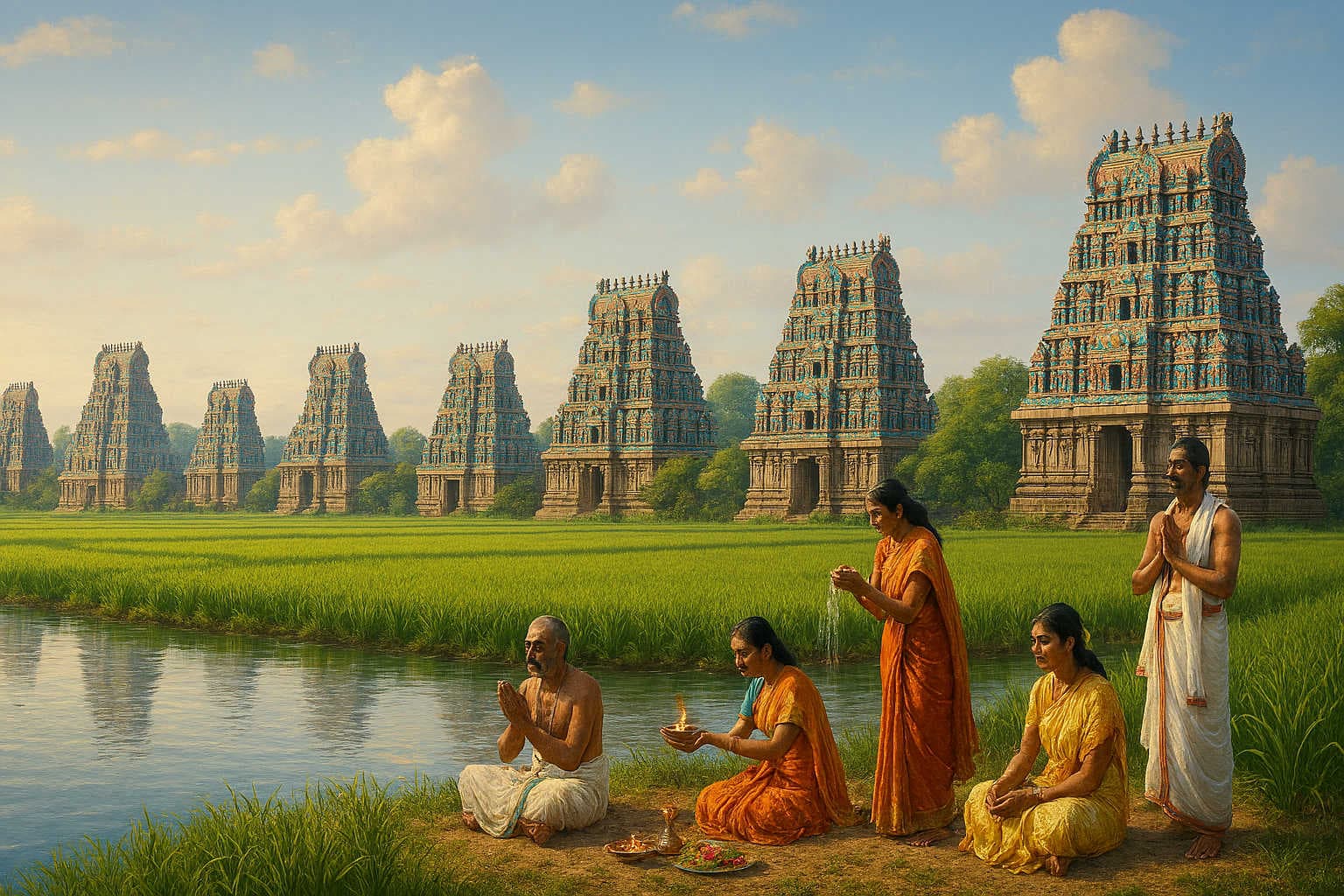
Tamil Nadu, the land of temples, is home to countless shrines that carry centuries of history, devotion, and culture. Among them, the Nava Tirupati temples, located along the sacred Tamiraparani River in the Tirunelveli district, stand out as a unique group of nine Vishnu temples. Revered as Divya Desams – the 108 holy shrines sung by the Alvar saints – these temples together form one of the most spiritually powerful pilgrimages in South India.
Unlike most temples dedicated to one deity alone, the Nava Tirupati temples are intimately linked through legend, devotion, and geography, creating a pilgrimage circuit that devotees undertake with reverence and joy.
The Sacred Setting – Tamiraparani River
The Tamiraparani River flows gracefully through Tirunelveli, nurturing life and civilization for centuries. Along its banks, the nine Nava Tirupati temples are situated, each with its own deity, legends, and architectural charm. This river itself is considered sacred, believed to have descended from the celestial world, making the temples along its course even more powerful.
A pilgrimage through these nine shrines is considered equivalent to worshipping Vishnu in his cosmic forms, granting devotees blessings of prosperity, health, and liberation.
The Nava Tirupati Temples
Here are the nine temples, their presiding deities, and significance:
-
Sri Vaikuntanatha Perumal Temple (Srivaikuntam)
The most prominent among the Nava Tirupati, this temple is dedicated to Lord Vishnu as Vaikuntanatha. Known for its grand gopuram and majestic carvings, the temple is associated with liberation, as it symbolizes Vishnu’s eternal abode – Vaikuntha. -
Alwarthirunagari Temple
This temple is especially important as it is the birthplace of Nammalvar, one of the greatest Alvar saints. Here, Vishnu is worshipped as Adinatha, and the temple holds immense literary and spiritual significance, as Nammalvar composed many hymns in its praise. -
ThiruPulingudi Temple
Located amidst serene paddy fields, this temple enshrines Vishnu as Kaaisinavendan. It represents peace and fertility, with the deity blessing devotees with contentment in life. -
ThiruVaragunamangai Temple
Here, Vishnu appears as Vijayaasana Perumal, seated in majesty. The temple emphasizes divine victory and the assurance of protection for devotees. -
ThiruKolur Temple
Dedicated to Vaithamanidhi Perumal, this temple is associated with wealth and prosperity. Legends say that worship here blesses devotees with financial stability. -
ThiruPaarkadal Temple
The deity here is Paalpanaiya Nanmathiya Perumal, reclining in cosmic repose, reminding devotees of the eternal preservation of the universe. -
ThiruPazhavangudi (Then Thirupperai) Temple
This temple is unique for its association with Goddess Lakshmi, who is believed to have appeared here from the lotus. Vishnu here is known as Makara Nedunkuzhai Kaathan. -
ThiruSenthikulam Temple
Dedicated to Jagannatha Perumal, this shrine emphasizes Vishnu’s universal form as the Lord of the worlds, linking to the Jagannath tradition. -
ThiruPuliangudi Temple (Nava Tirupati circuit’s southernmost)
The presiding deity here is Kaaisinavendan, symbolizing Vishnu’s role as protector of devotees and remover of sins.
Together, these temples embody different aspects of Vishnu – protector, preserver, provider, and liberator.
Connection with the Alvars
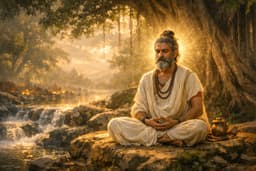
The Nava Tirupati temples are deeply connected with the Alvars, the saint-poets of Tamil Nadu who sang devotional hymns known as the Divya Prabandham. Among them, Nammalvar, who was born at Alwarthirunagari, holds a special place. His verses extensively describe the deities of these temples, turning them into Divya Desams of great spiritual prominence.
Pilgrims often recite or listen to the Alvars’ hymns during their journey, making the experience devotional as well as poetic.
Architecture and Cultural Beauty
Each Nava Tirupati temple is an example of South Indian Dravidian architecture:
-
Towering gopurams with intricate carvings.
-
Sanctums housing majestic Vishnu idols in seated, reclining, or standing forms.
-
Mandapas with sculpted pillars that narrate mythological stories.
-
Serene temple tanks used for rituals and purification.
Unlike some of the larger Tamil Nadu temples, the Nava Tirupati shrines are modest in size, blending seamlessly into the natural landscape of riverbanks, groves, and fields. This intimate scale gives pilgrims a feeling of closeness with the deity.
The Garuda Sevai Festival
The most important annual festival of Nava Tirupati is the Garuda Sevai Utsavam, celebrated in the Tamil month of Vaikasi (May–June). During this event:
-
The festival idols (utsava murthis) from all nine temples are brought together.
-
They are mounted on Garuda vahanas (the eagle mount of Vishnu).
-
Hymns of Nammalvar dedicated to each temple are recited with devotion.
This rare gathering of deities creates a grand spectacle of unity, devotion, and cultural celebration, drawing thousands of devotees and scholars.
Spiritual Significance of the Nava Tirupati Pilgrimage
Pilgrims believe that visiting all nine temples in one circuit brings immense blessings:
-
Liberation (Moksha): Srivaikuntam symbolizes Vishnu’s abode.
-
Prosperity and Wealth: ThiruKolur grants abundance.
-
Knowledge and Devotion: Alwarthirunagari blesses with spiritual wisdom.
-
Protection and Victory: Other shrines embody preservation and divine assurance.
The journey itself, taken along the sacred riverbanks, is seen as a path of purification and renewal.
Conclusion
The Nava Tirupati temples represent a harmonious blend of mythology, devotion, poetry, and architecture. They are not just nine separate shrines but a unified pilgrimage celebrating Vishnu’s multifaceted divinity. Set against the backdrop of the Tamiraparani River and sung by the Alvar saints, these temples embody the timeless bhakti tradition of Tamil Nadu.
For pilgrims and seekers, a journey through Nava Tirupati is not merely about temple visits – it is about experiencing the continuity of devotion that has flowed through the land for centuries, much like the river itself.
In every gopuram, every hymn, and every darshan of Vishnu, devotees feel the eternal promise of the Lord: to protect, preserve, and bless all who surrender with faith.