Tirupati Balaji – Lord Venkateswara of the Seven Hills
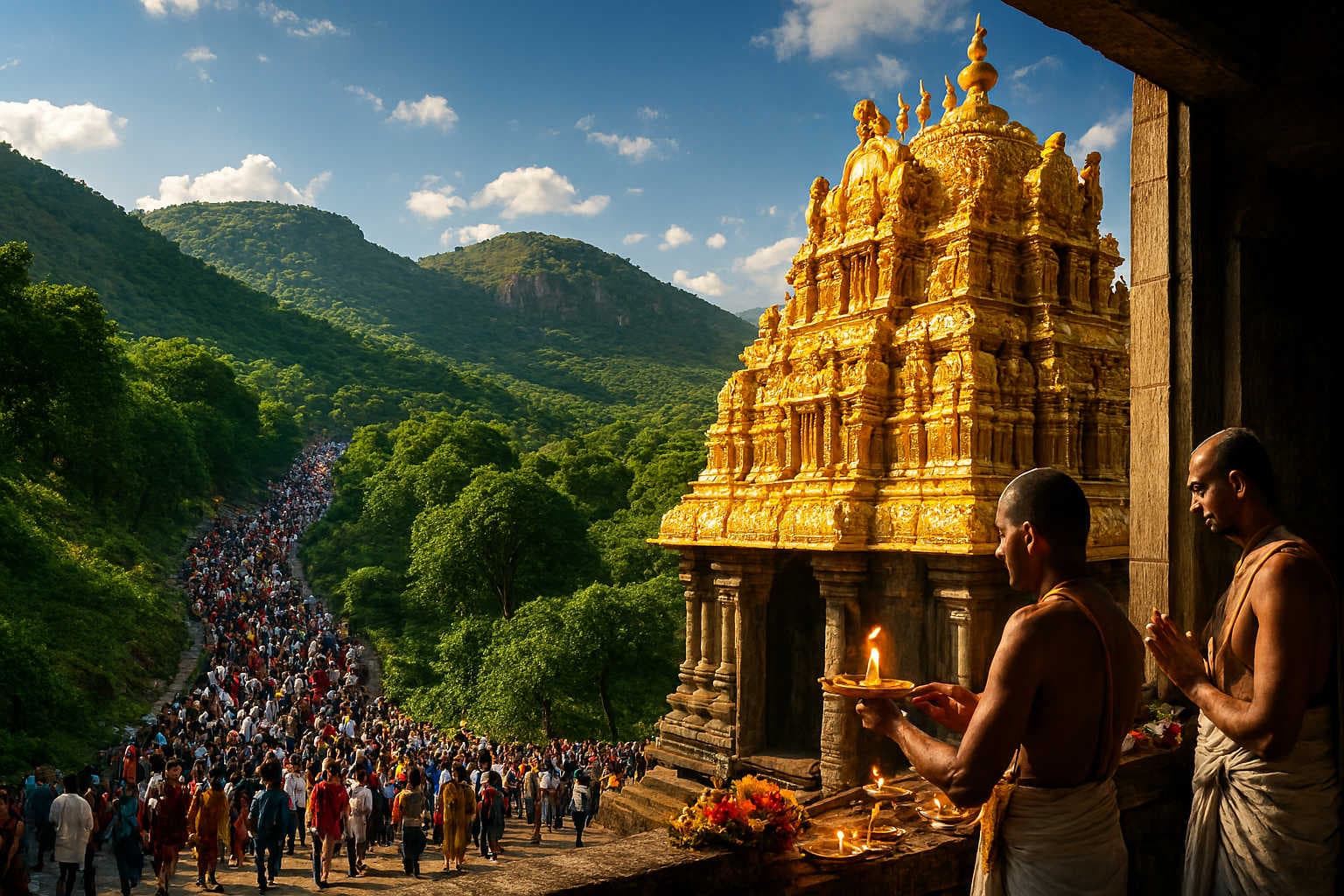
The Tirupati Balaji Temple, also known as the Sri Venkateswara Swamy Temple, is one of the most revered and visited pilgrimage destinations in India. Nestled in the Tirumala hills of Andhra Pradesh, this temple is dedicated to Lord Venkateswara, an incarnation of Lord Vishnu who descended on earth during the Kali Yuga to guide and protect humanity. Known as the “Temple of Seven Hills,” it is not only a spiritual center but also one of the richest temples in the world, drawing millions of devotees every year.
The Legend of Lord Venkateswara
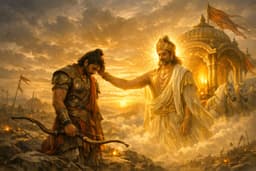
According to Hindu mythology, the story of Tirupati Balaji is deeply tied to the cycle of dharma. It is believed that when the burden of sins in Kali Yuga became unbearable, Lord Vishnu descended as Venkateswara and chose Tirumala as his abode.
One popular tale narrates that Goddess Lakshmi left Vaikuntha after a disagreement with Lord Vishnu. In search of her, Vishnu descended to earth and resided on the Venkatadri hills, later marrying Padmavati Devi, an incarnation of Goddess Lakshmi. Devotees believe that visiting Tirupati and worshipping Lord Venkateswara fulfills wishes and grants liberation from the cycle of rebirth.
The Seven Hills of Tirumala
The temple is located atop the Seshachalam range, which consists of seven hills, each representing one of the seven heads of the serpent Adisesha. These are:
-
Seshadri – Hill of Sesha, the divine serpent.
-
Neeladri – Hill of Neela Devi.
-
Garudadri – Hill of Garuda, the divine vehicle.
-
Anjanadri – Hill of Lord Hanuman.
-
Vrushabhadri – Hill of Nandi, Shiva’s bull.
-
Narayanadri – Hill of Narayana.
-
Venkatadri – Hill of Venkateswara, where the temple stands.
Together, these hills symbolize the spiritual and cosmic guardianship of Lord Venkateswara.
Architecture and Sanctum
The Tirupati Balaji Temple is a marvelous example of Dravidian architecture, with towering gopurams (gateways), intricately carved pillars, and golden vimanas. The sanctum sanctorum houses the awe-inspiring idol of Lord Venkateswara, adorned with precious jewels and a magnificent crown.
The idol itself is said to be self-manifested (Swayambhu) and radiates a divine presence that fills devotees with devotion and awe. Rituals such as Suprabhatam (morning prayers) and Kalyanotsavam (marriage festival of the deity) are conducted with great reverence daily.
Pilgrimage and Darshan
Millions of devotees undertake the journey to Tirumala every year, often on foot, climbing thousands of steps as an act of devotion. The darshan (viewing of the deity) is considered a blessing, and devotees often wait hours in long queues to have a fleeting glimpse of the Lord.
A unique tradition here is the offering of hair, where devotees shave their heads as a symbol of surrender and humility before the deity. This act, known as Mokku, is believed to bring peace and prosperity.
Offerings and the Laddu Prasadam
The Tirupati Temple is also famous for its Laddu Prasadam, a sacred sweet made of gram flour, ghee, and sugar, offered to every devotee as a divine blessing. The temple’s kitchen, known as the Potu, is one of the largest in the world, preparing thousands of laddus every day.
Devotees also donate generously at Tirupati, making it the richest temple in India. The offerings are used for temple maintenance, charity, education, and social welfare.
Festivals at Tirupati
The temple celebrates numerous festivals throughout the year, with the Brahmotsavam being the grandest. Held annually for nine days, it features processions of Lord Venkateswara’s idol on beautifully decorated vahanas (vehicles) like Garuda, Hanuman, and Kalpavriksha.
Other important celebrations include Vaikuntha Ekadashi, Rathotsavam, and Pavitrotsavam, each drawing thousands of devotees and enriching the temple’s spiritual atmosphere.
Significance in Hinduism
Tirupati Balaji holds a special place in the hearts of devotees as the Kaliyuga deity who responds to the prayers of the faithful. People from all walks of life visit the temple to seek blessings for prosperity, health, and spiritual fulfillment.
The temple is also considered a unifying symbol of India’s diverse traditions, with devotees arriving from across the country and abroad, demonstrating the boundless reach of Lord Venkateswara’s devotion.
Modern Management and Legacy
The Tirumala Tirupati Devasthanams (TTD) manages the temple with exceptional organization, ensuring the comfort and safety of millions of pilgrims. Facilities such as free meals, accommodation, medical aid, and queue management reflect the temple’s commitment to service.
Despite the influx of modern amenities, the spiritual essence of Tirupati Balaji remains untouched, continuing to inspire generations with unwavering faith.
Conclusion
The Tirupati Balaji Temple is not merely a place of worship—it is a living testament to faith, devotion, and tradition. From the mystical legends of Lord Venkateswara to the grandeur of rituals and the overwhelming devotion of pilgrims, Tirupati stands as a symbol of spiritual resilience in Kali Yuga.
Climbing the Seven Hills and standing before the Lord is an experience of surrender, humility, and divine grace. For countless devotees, a visit to Tirupati Balaji is not just a pilgrimage—it is a rebirth in faith, a renewal of the soul, and a journey to the heart of dharma.