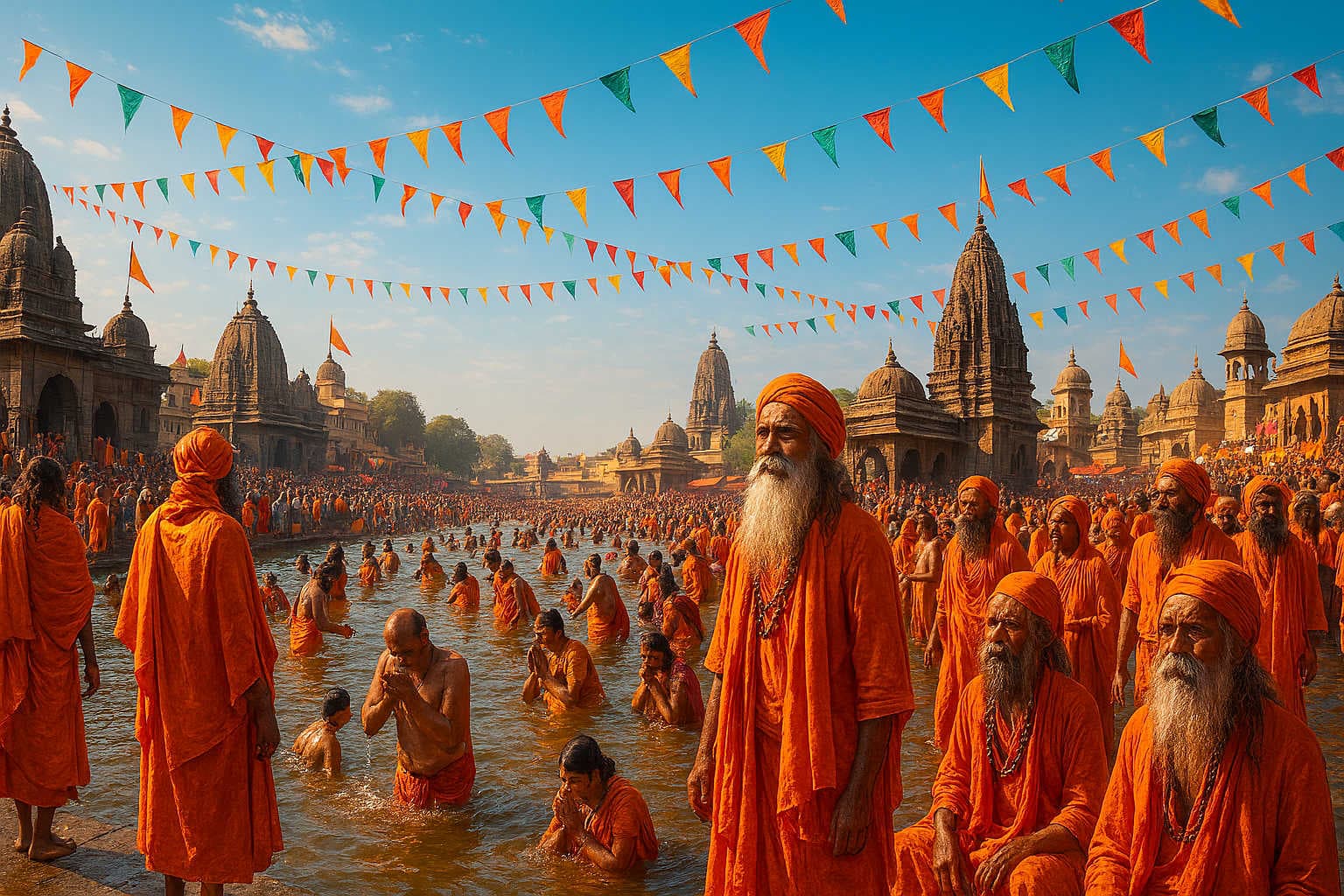
Nashik – Kumbh Mela and Ram’s Exile
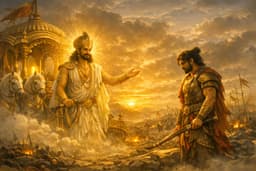
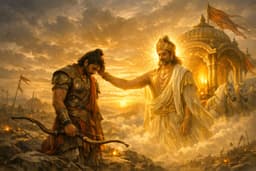
Nashik, a vibrant city in Maharashtra, is not just a modern hub but a deeply spiritual land that resonates with the echoes of ancient legends. Nestled on the banks of the Godavari River, Nashik holds immense significance in Hindu mythology, particularly as the place where Lord Rama, Sita, and Lakshmana spent a significant part of their exile. It is also globally renowned for hosting one of the largest religious gatherings on Earth—the Kumbh Mela.
This sacred city beautifully blends mythological heritage, grand religious rituals, and scenic beauty, making it a must-visit destination for both devotees and travelers seeking cultural depth.
Mythological Significance – Ramayana Connection
Nashik derives its name from the Sanskrit word “Nasika”, meaning nose. According to the Ramayana, during the 14-year exile of Lord Rama, he, along with Sita and Lakshmana, lived in the forest area of Panchavati, near Nashik. It was here that the infamous episode involving Surpanakha, the demoness sister of Ravana, took place.
When Surpanakha tried to seduce Rama and later attacked Sita in jealousy, Lakshmana cut off her nose (nasika), leading to the name Nashik. This event triggered the chain of events that led to Sita’s abduction by Ravana and the great war of the Ramayana.
Panchavati – The Heart of Ramayana in Nashik
The most revered area in Nashik is Panchavati, which literally means “garden of five banyan trees”. It is believed that Rama and his family stayed here during their exile. Today, Panchavati is dotted with temples and sacred spots that narrate episodes from the epic:
-
Sita Gufa (Cave) – A narrow cave where Sita is believed to have stayed. Devotees crawl through the small passage to seek blessings.
-
Kapaleshwar Temple – An ancient Shiva temple where legend says Lord Rama prayed.
-
Ram Kund – A sacred bathing ghat on the Godavari where devotees perform rituals for ancestors. It is also believed that Rama performed his father Dasharatha’s last rites here.
-
Kalaram Temple – One of the most famous temples in Nashik, housing a black stone idol of Lord Rama, hence the name Kalaram (Black Rama).
The Godavari River – Southern Ganga
Flowing gracefully through Nashik is the Godavari River, often called the Dakshin Ganga (Ganga of the South). It originates from Trimbakeshwar, about 30 km from Nashik, where one of the 12 Jyotirlingas of Lord Shiva is located. For Hindus, bathing in the Godavari is as sacred as taking a dip in the Ganges, especially during auspicious occasions like Kumbh Mela.
Kumbh Mela in Nashik – The Largest Spiritual Gathering
One of the greatest spiritual events associated with Nashik is the Kumbh Mela, held every 12 years. It is one of the four locations where the nectar of immortality (Amrit) is believed to have fallen during the legendary Samudra Manthan. The other locations are Prayagraj, Haridwar, and Ujjain.
During Nashik Kumbh, millions of devotees, saints, and sadhus gather to take a holy dip in the Godavari at the Ram Kund. The event is marked by grand processions of Naga Sadhus, chanting of hymns, religious discourses, and a spiritual aura that cannot be described in words. The last Kumbh in Nashik attracted millions of pilgrims from around the world.
Temples and Sacred Spots in Nashik
Apart from Panchavati, Nashik boasts numerous temples and sacred sites:
-
Trimbakeshwar Temple – One of the most revered Jyotirlingas, located near Nashik.
-
Muktidham Temple – A modern temple complex featuring replicas of all major Indian shrines.
-
Sundarnarayan Temple – Dedicated to Lord Vishnu, known for its exquisite architecture.
-
Ganga Ghat – The spiritual bathing spot during festivals and rituals.
Festivals and Rituals in Nashik
Nashik comes alive during various Hindu festivals:
-
Ram Navami – Celebrating the birth of Lord Rama with grand processions and rituals.
-
Maha Shivratri – Especially significant at Trimbakeshwar Temple.
-
Kumbh Mela – The largest and most spiritually intense gathering held every 12 years.
-
Makar Sankranti and Chhath Puja – Important occasions for bathing in the Godavari.
Nashik Beyond Spirituality
Though Nashik is a major pilgrimage destination, it is also famous for:
-
Wine Tourism – Known as the Wine Capital of India, Nashik has numerous vineyards and wineries offering tours and tastings.
-
Adventure Activities – Trekking spots like Harihar Fort and Anjaneri Hills (believed to be the birthplace of Hanuman).
-
Cultural Heritage – Traditional Maharashtrian food, vibrant markets, and handicrafts.
Best Time to Visit Nashik
The ideal time to visit Nashik is between October and March when the weather is pleasant. If you wish to witness the grandeur of Kumbh Mela, plan your visit according to its cycle (once every 12 years).
How to Reach Nashik
-
By Air: Ozar Airport (20 km from city), nearest major airport is Mumbai (170 km away).
-
By Train: Nashik Road Railway Station connects to major cities like Mumbai, Pune, and Delhi.
-
By Road: Well-connected by highways from Mumbai, Pune, and Aurangabad.
Conclusion
Nashik is a city of divine stories, sacred waters, and spiritual grandeur. From the ancient tales of Ramayana in Panchavati to the majestic spectacle of Kumbh Mela, every corner of Nashik vibrates with faith and devotion. Whether you seek mythological heritage, religious rituals, or a cultural experience, Nashik offers it all in abundance. It is truly a destination where spirituality meets history and tradition blends with modernity.