Varanasi – Where Moksha Beckons
Varanasi, also known as Kashi or Banaras, is not just a city—it is an emotion, a timeless spiritual hub where life and death coexist in harmony. Situated on the banks of the holy river Ganga in Uttar Pradesh, Varanasi is believed to be the oldest living city in the world, with a history dating back over 3,000 years. It is the spiritual capital of India, attracting millions of pilgrims who come here to wash away their sins, perform last rites for their loved ones, and seek moksha (liberation).
Significance of Varanasi in Hinduism
Varanasi is regarded as the holiest city in Hinduism. It is said that Lord Shiva himself founded Kashi, and to die here is considered the ultimate blessing because it frees the soul from the cycle of birth and death. The scriptures say:
“Kashi ke marne se moksha milta hai” – Death in Kashi ensures liberation.
This belief has drawn sages, ascetics, and devotees for centuries. It is not just a pilgrimage but a journey into eternity.
Legends and Mythology of Kashi
According to Hindu mythology, when Lord Shiva married Parvati, he gifted her the city of Kashi. It is also believed that this is the place where Shiva whispered the Taraka Mantra (the mantra of liberation) to those who were about to die, granting them moksha.
The city also finds mention in sacred texts like the Rigveda, Skanda Purana, and Mahabharata. It is believed that the Ganga flows through Varanasi to wash away the sins of devotees, making this city a gateway to spiritual freedom.
The Ghats of Varanasi – Where Life Meets Eternity
Varanasi is famous for its ghats, the stone steps leading to the Ganga. There are over 80 ghats, each with its own significance. Some of the most famous include:
-
Dashashwamedh Ghat – The main ghat where the grand Ganga Aarti takes place every evening.
-
Assi Ghat – A popular spot for morning yoga and meditation by the river.
-
Manikarnika Ghat – The most sacred cremation ground where pyres burn continuously, symbolizing the cycle of life and death.
-
Harishchandra Ghat – Another cremation ghat linked to King Harishchandra’s story of truth and sacrifice.
The sight of burning pyres, chanting priests, and devotees offering prayers creates an atmosphere that is deeply profound and humbling.
Ganga Aarti – A Divine Spectacle
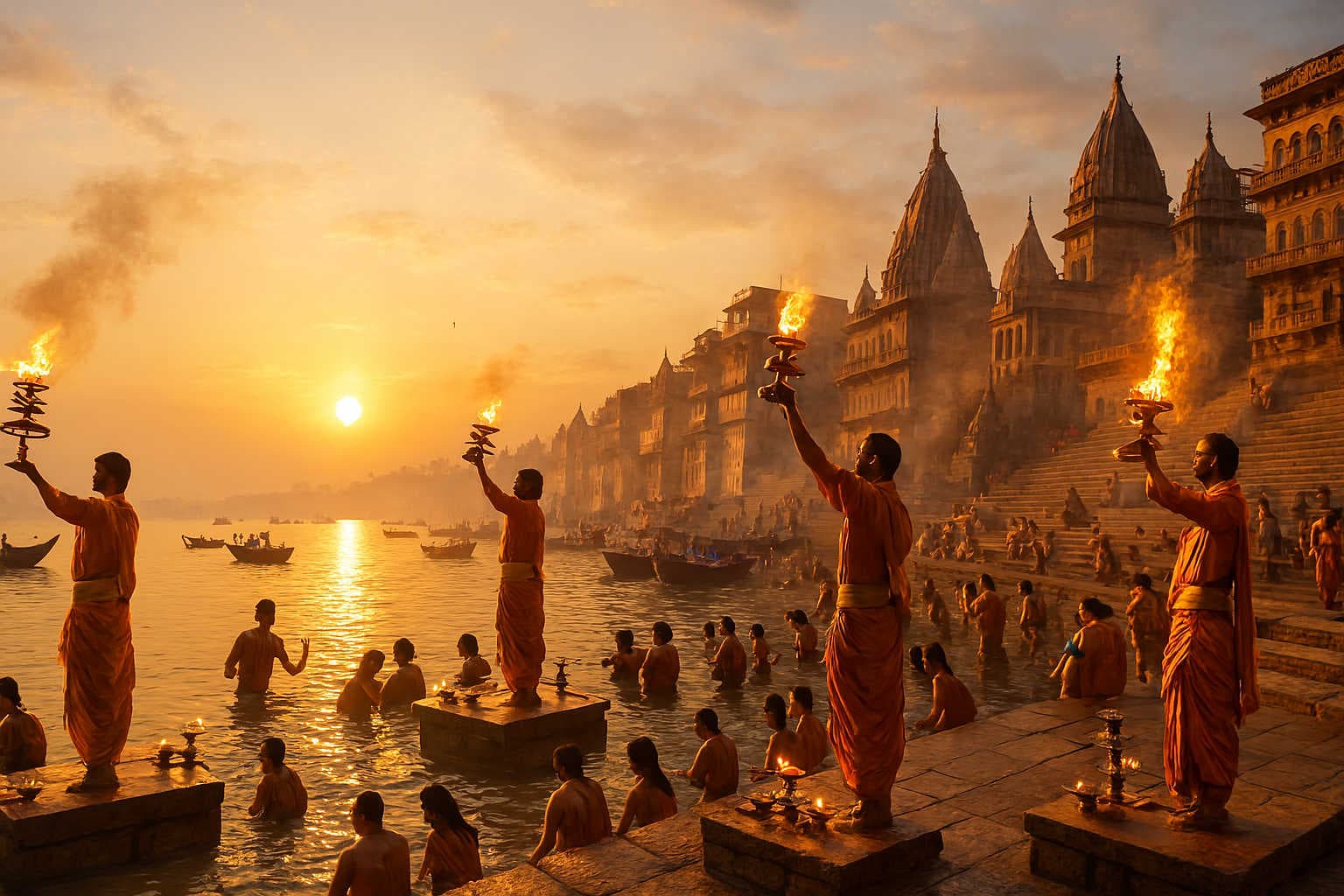
One of the most mesmerizing experiences in Varanasi is the evening Ganga Aarti at Dashashwamedh Ghat. As dusk falls, priests dressed in saffron robes perform synchronized rituals with large brass lamps, conch shells, and incense, offering prayers to Mother Ganga.
Thousands of devotees and tourists gather to witness this spectacle of devotion. The reflection of aarti flames on the flowing river, the sound of bells and hymns, and the aroma of flowers create an ethereal atmosphere. Many visitors take boat rides during the aarti for a magical view.
Temples of Varanasi – Abodes of Faith
Varanasi is dotted with thousands of temples, the most famous being the Kashi Vishwanath Temple, dedicated to Lord Shiva. It is one of the 12 Jyotirlingas, making it a significant pilgrimage destination for Shaivites. Other notable temples include:
-
Annapurna Devi Temple – Goddess of food and nourishment.
-
Durga Kund Temple – Famous for its beautiful architecture and spiritual energy.
-
Tulsi Manas Temple – Where Tulsidas composed the Ramcharitmanas.
-
Sankat Mochan Hanuman Temple – A must-visit for Hanuman devotees.
Varanasi – A Cultural and Spiritual Hub
Apart from its religious importance, Varanasi is a center for music, learning, and art. It has produced legendary musicians like Pandit Ravi Shankar and Ustad Bismillah Khan. The city is also home to the famous Banaras Hindu University (BHU) and is known for its Banarasi silk sarees, which are cherished worldwide.
The festivals of Varanasi like Dev Deepawali, when the entire city is lit up with millions of lamps, and Mahashivratri, celebrated with grand processions, add to its vibrant cultural landscape.
The Spiritual Experience – Beyond Rituals
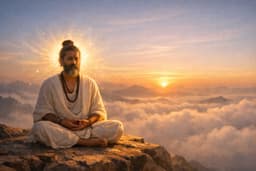
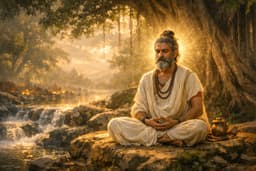
Varanasi is not just about rituals; it is about inner awakening. Watching the sunrise on the Ganga, meditating on the ghats, listening to temple bells, or observing the calm acceptance of life and death on cremation grounds can be a transformative experience.
The city teaches the essence of detachment, faith, and impermanence. For many, a visit to Varanasi is not just a trip but a life-changing journey.
Best Time to Visit Varanasi
The ideal time to visit Varanasi is from October to March, when the weather is pleasant for sightseeing and rituals. Dev Deepawali in November and Ganga Mahotsav are the best festivals to experience the city in its full glory.
How to Reach Varanasi
-
By Air: Lal Bahadur Shastri Airport (about 25 km from the city center).
-
By Train: Varanasi Junction and Manduadih Railway Station connect to all major cities.
-
By Road: Well-connected highways link Varanasi to nearby cities like Allahabad and Lucknow.
Conclusion
Varanasi is the soul of India – where faith flows in every breath, where life and death merge seamlessly, and where seekers from around the world come in search of the eternal truth. Whether you wish to attain moksha, explore its cultural richness, or simply feel the pulse of spirituality, Varanasi will embrace you with open arms and leave you transformed forever.