Tungnath – The World’s Highest Shiva Temple
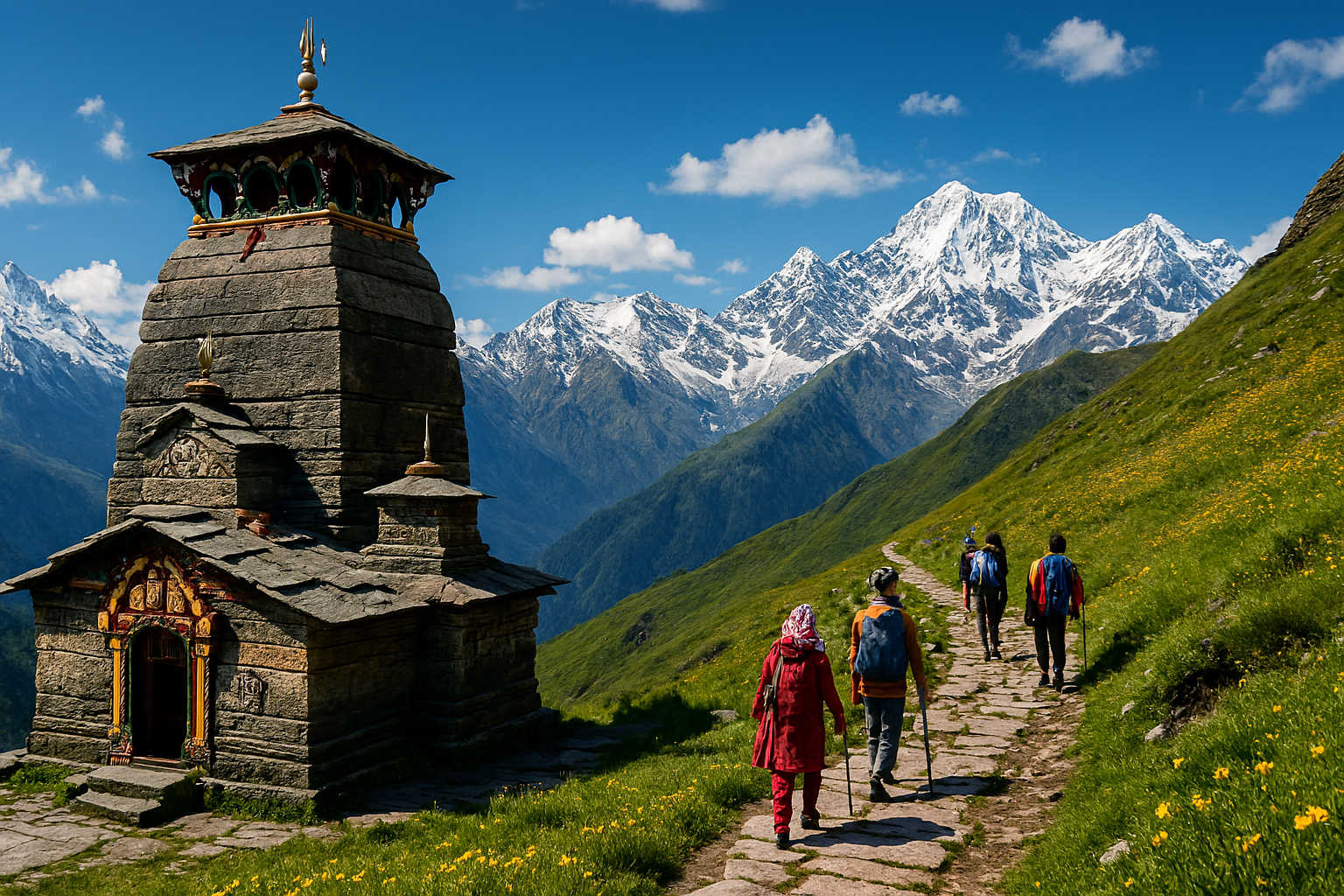
Perched at an altitude of 12,073 feet (3,680 meters) in the Garhwal Himalayas of Uttarakhand, Tungnath holds the distinction of being the highest Shiva temple in the world. This sacred shrine is not only a revered pilgrimage site but also a paradise for trekkers and nature enthusiasts. Its serene setting amidst the snow-clad peaks of the Himalayas makes Tungnath an experience that combines spiritual bliss with natural beauty.
Mythological Significance
Tungnath is one of the five sacred temples of Panch Kedar, a group of Shiva temples in Uttarakhand. According to Hindu mythology, the Pandavas from the Mahabharata constructed these temples to seek forgiveness from Lord Shiva for killing their cousins, the Kauravas, during the Kurukshetra war.
The legend says:
-
After the war, Lord Shiva was angered by the bloodshed and went into hiding in the Himalayas.
-
To escape the Pandavas, Shiva transformed into a bull.
-
Different parts of his body appeared at five places, which became the Panch Kedar temples:
-
Kedarnath – Hump
-
Tungnath – Arms
-
Rudranath – Face
-
Madhyamaheshwar – Navel
-
Kalpeshwar – Hair
-
At Tungnath, the arms of Shiva are said to have emerged, making it a site of immense spiritual importance.
Temple Architecture and History
The Tungnath temple is believed to be over 1,000 years old. Built in North Indian Nagara style, the temple is made of stone and has a small sanctum with an idol of Lord Shiva. The main shrine is accompanied by smaller shrines dedicated to Goddess Parvati and other deities.
Despite its high altitude, the temple has stood strong against the harsh Himalayan climate for centuries. During winter, heavy snowfall makes the temple inaccessible, and the deity is moved to Mukkumath, a lower-altitude village, for worship.
The Trek to Tungnath
One of the most exciting aspects of Tungnath is the trekking route leading to the temple. It is considered one of the easiest Himalayan treks, making it suitable for beginners.
-
Trek Distance: 4–5 km from Chopta
-
Starting Point: Chopta, often called the “Mini Switzerland of Uttarakhand”
-
Trek Duration: 2–3 hours
-
Difficulty Level: Easy to moderate
-
Highlights: Panoramic views of Nanda Devi, Chaukhamba, and Trishul peaks, lush meadows, and rhododendron forests.
The trek continues beyond Tungnath to Chandrashila Peak, which offers a 360° view of the Garhwal and Kumaon ranges. This spot is also associated with Lord Rama, who is believed to have meditated here after defeating Ravana.
Best Time to Visit Tungnath
-
Summer (May to June): Ideal time with pleasant weather.
-
Autumn (September to October): Clear skies and stunning views.
-
Winter: The temple remains closed from November to April due to heavy snowfall.
During the monsoon months (July–August), the trek becomes slippery, so it’s best avoided.
Opening and Closing Dates
-
The temple opens in April or May every year on an auspicious date.
-
It closes in November when the deity is moved to Mukkumath.
Nearby Attractions
-
Chandrashila Peak: Just 1.5 km above Tungnath, a must-visit for breathtaking Himalayan views.
-
Chopta Meadows: Known for its lush greenery and as a bird-watching paradise.
-
Deoria Tal: A scenic lake offering reflections of snow-covered peaks.
Spiritual and Adventure Experience
Tungnath is not just about spirituality; it’s a perfect blend of devotion and adventure. Pilgrims chant Shiva mantras along the trek, while nature lovers capture the stunning Himalayan beauty. The aura of the temple, the sound of bells, and the cold mountain breeze create a divine atmosphere.
How to Reach Tungnath
-
Nearest Airport: Jolly Grant Airport, Dehradun (around 220 km from Chopta)
-
Nearest Railway Station: Haridwar or Rishikesh
-
Road: Well connected by road to Chopta via Rudraprayag and Ukhimath.
-
From Chopta, you trek to the temple.
Accommodation Options
-
Chopta: Budget lodges and camps.
-
Tungnath Base: Basic guesthouses for trekkers.
-
Camping: Popular option for adventure lovers.
Significance of Visiting Tungnath
A visit to Tungnath is believed to:
-
Remove sins of violence and hatred.
-
Bless devotees with inner peace and spiritual growth.
-
Strengthen faith in Lord Shiva’s eternal presence in the Himalayas.
Conclusion
Tungnath stands as a symbol of faith, endurance, and natural splendor. Whether you are a Shiva devotee or an adventure enthusiast, Tungnath offers an experience that stays etched in your memory forever. Standing before the ancient temple, surrounded by towering Himalayan peaks, one can truly feel the power and serenity of Lord Shiva.