Panch Badri – The Five Seats of Lord Vishnu
Nestled in the majestic Garhwal Himalayas of Uttarakhand, the Panch Badri represents five sacred shrines dedicated to Lord Vishnu, the preserver of the universe in Hinduism. These five temples—Badrinath, Yogdhyan Badri, Bhavishya Badri, Adi Badri, and Vriddha Badri—together form an important part of the Vaishnavite tradition and attract thousands of devotees and spiritual seekers every year.
While Badrinath is the most famous among them, the other four Badris hold equal mythological and spiritual importance. They collectively narrate the eternal presence of Lord Vishnu in the Himalayas and signify his different forms across the ages.
What is Panch Badri?
The term Panch Badri refers to five holy Vishnu temples located in the Alaknanda river valley of Uttarakhand. These temples include:
-
Badrinath – The main shrine and one of the Char Dham temples.
-
Yogdhyan Badri – The place where Vishnu meditated in yogic form.
-
Bhavishya Badri – Believed to be the future seat of Lord Badrinath.
-
Adi Badri – The ancient group of Vishnu temples established by Adi Shankaracharya.
-
Vriddha Badri – Associated with the old form of Lord Vishnu before Badrinath.
Mythological Significance
The origin of Panch Badri is deeply rooted in Hindu scriptures and legends. According to mythology:
-
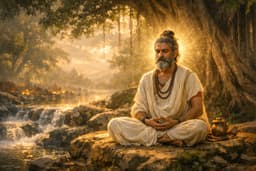
During the Satya Yuga, Lord Vishnu meditated in the Himalayas, and the region became known as Badri-Kshetra.
-
In the Treta Yuga, Lord Vishnu appeared as Nara and Narayana to practice penance at the present Badrinath site.
-
In Kali Yuga, these sacred places continue to hold immense spiritual energy, symbolizing the eternal presence of Vishnu.
The Five Temples of Panch Badri
1. Badrinath – The Main Temple
-
Altitude: 3,133 meters
-
Location: On the banks of the Alaknanda River.
-
Significance: One of the Char Dham and Chota Char Dham pilgrimage sites.
-
Deity: Lord Vishnu in a meditative pose.
-
Highlight: Surrounded by snow-capped mountains, Badrinath attracts lakhs of devotees every year during its open season from May to October.
2. Yogdhyan Badri
-
Altitude: 1,920 meters
-
Location: Pandukeshwar, 24 km from Badrinath.
-
Significance: Lord Vishnu is worshipped here in a meditative yogic posture.
-
Legend: It is believed that King Pandu, father of the Pandavas, meditated here to seek penance for his sins. The Pandavas were also born here.
3. Bhavishya Badri
-
Altitude: 2,744 meters
-
Location: Subain near Joshimath.
-
Significance: The name means “Future Badri”, as it is believed that when the current Badrinath temple becomes inaccessible due to a natural calamity, Lord Vishnu will manifest here.
-
Legend: The temple is deeply linked to the prophecy of the Kali Yuga end times.
4. Adi Badri
-
Altitude: 1,380 meters
-
Location: Near Karnaprayag, about 17 km away.
-
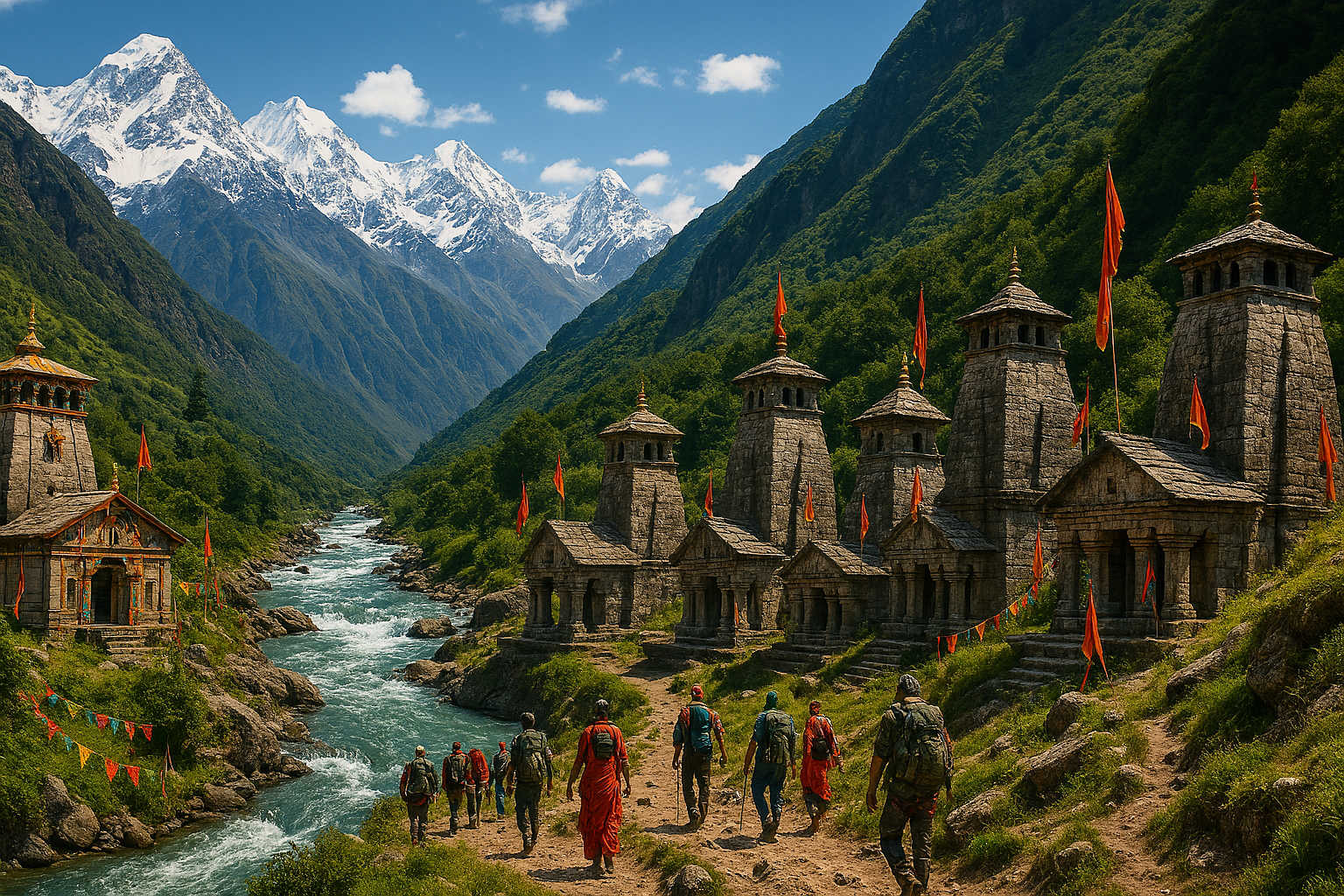
Significance: A group of 16 temples believed to have been established by Adi Shankaracharya.
-
Highlight: The main temple enshrines a black stone idol of Lord Vishnu in a standing posture.
5. Vriddha Badri
-
Altitude: 1,380 meters
-
Location: Animath village, 7 km from Joshimath.
-
Significance: Associated with the old form of Lord Vishnu before the deity was enshrined in Badrinath.
-
Legend: It is said that Vishnu appeared as an old sage (Vriddha) to Narada at this place.
Why Visit Panch Badri?
The Panch Badri Yatra offers a unique spiritual experience combined with the serenity of the Himalayas. Here’s why it’s special:
-
It covers temples of different yugas (ages) and manifestations of Vishnu.
-
It is a less crowded alternative to the popular Char Dham circuit, making it perfect for peaceful spiritual travel.
-
It allows devotees to explore hidden Himalayan villages, rivers, and meadows, offering a blend of devotion and adventure.
Best Time to Visit
-
May to June and September to October are the ideal months.
-
Avoid monsoon season (July-August) due to heavy rainfall and landslides.
-
The main Badrinath temple remains closed during winter (November to April), but Bhavishya Badri and Adi Badri can still be visited.
How to Reach
-
Nearest Airport: Jolly Grant Airport, Dehradun.
-
Nearest Railway Station: Rishikesh.
-
Connectivity: The journey involves road travel and short treks to some temples like Bhavishya Badri.
Spiritual Importance
Performing the Panch Badri Yatra is believed to:
-
Grant moksha (liberation from the cycle of birth and death).
-
Fulfill wishes and remove obstacles in life.
-
Strengthen the devotee’s connection with Lord Vishnu, the preserver.
Conclusion
The Panch Badri temples represent the eternal presence of Lord Vishnu in the Himalayas. Each temple has its own unique charm, spiritual essence, and connection to the ancient Hindu scriptures. For devotees and travelers alike, the Panch Badri Yatra is a sacred journey that combines faith, history, and the breathtaking beauty of nature.