Char Dham Yatra – Meaning and Significance
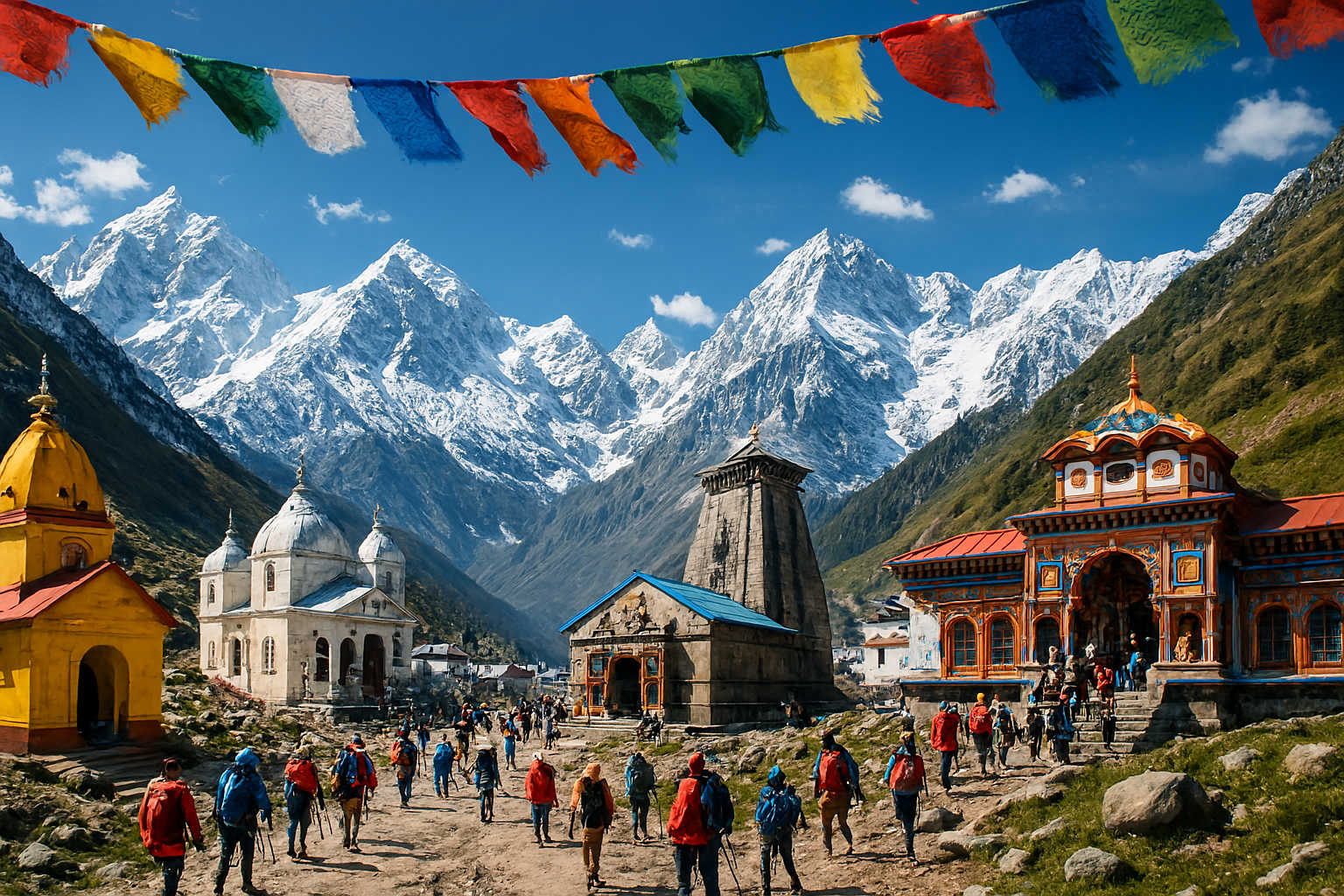
Among all Hindu pilgrimages, the Char Dham Yatra holds a special place. Known as the journey to the four abodes of God, this sacred pilgrimage is considered one of the most important spiritual journeys for devotees of Sanatan Dharma. Located in the picturesque Garhwal region of Uttarakhand, these four holy shrines—Yamunotri, Gangotri, Kedarnath, and Badrinath—are visited by lakhs of pilgrims every year, despite the challenging terrain and extreme weather conditions.
What is Char Dham Yatra?
The term “Char Dham” translates to “four abodes”, referring to the four revered pilgrimage sites in the Himalayas. Each site is dedicated to a specific deity and carries deep spiritual significance:
-
Yamunotri – Source of the Yamuna River, dedicated to Goddess Yamuna.
-
Gangotri – Origin of the Ganga River, dedicated to Goddess Ganga.
-
Kedarnath – A sacred Jyotirlinga of Lord Shiva.
-
Badrinath – Dedicated to Lord Vishnu in his form of Badrinarayan.
The Char Dham Yatra is not just a religious obligation; it is a transformative experience that combines faith, devotion, and adventure amidst the serene Himalayan beauty.
Historical and Mythological Background
The Char Dham Yatra is deeply rooted in Hindu mythology. According to scriptures:
-
Adi Shankaracharya, the great Hindu philosopher, is credited with establishing the significance of the Char Dham Yatra in the 8th century CE.
-
It is believed that visiting these four holy places washes away sins and helps attain moksha (liberation from the cycle of birth and death).
-
Each of these dhams is associated with divine legends:
-
Yamunotri – Linked to Goddess Yamuna, the sister of Yama, the god of death.
-
Gangotri – Where Goddess Ganga descended from heaven to purify the earth.
-
Kedarnath – Where Lord Shiva absolved the Pandavas of their sins after the Kurukshetra war.
-
Badrinath – Where Lord Vishnu meditated and blessed devotees with salvation.
-
Spiritual Significance of Char Dham Yatra
The Char Dham Yatra represents a spiritual cycle that connects devotees with the essence of life and divinity:
-
Purification of the Mind and Soul
Taking a holy dip in the sacred rivers of Yamunotri and Gangotri is believed to cleanse sins and purify the soul. -
Balance of Energy
Worshiping Lord Shiva at Kedarnath and Lord Vishnu at Badrinath symbolizes harmony between destruction and preservation, two essential aspects of cosmic balance. -
Path to Liberation
According to Hindu beliefs, completing the Char Dham Yatra frees one from karmic debts and leads toward ultimate salvation.
The Journey – From Yamunotri to Badrinath
Traditionally, the Char Dham Yatra follows a clockwise route, starting from Yamunotri, then Gangotri, followed by Kedarnath, and finally Badrinath. This sequence is not random but has deep significance:
-
Yamunotri (West) – Represents the beginning of life with Goddess Yamuna.
-
Gangotri (North) – Symbolizes purity and sustenance with Goddess Ganga.
-
Kedarnath (Middle Himalayas) – Denotes spiritual power and inner strength through Lord Shiva.
-
Badrinath (East) – Represents ultimate salvation through Lord Vishnu.
Opening and Closing of the Char Dham
The temples of the Char Dham remain open only for six months a year, from April/May (Akshaya Tritiya) to October/November (Diwali). In winter, the deities are shifted to their respective winter abodes in lower altitudes due to heavy snowfall.
How to Reach Char Dham
-
Nearest Airport: Jolly Grant Airport (Dehradun) – approx. 210 km from Yamunotri.
-
Nearest Railway Station: Rishikesh or Haridwar.
-
By Road: Regular buses and taxis operate from Haridwar, Rishikesh, and Dehradun.
-
Trekking: Some dhams, like Yamunotri and Kedarnath, require trekking, though ponies, palanquins, and even helicopter services are available.
Modern Facilities and Safety Measures
The Government of Uttarakhand has improved infrastructure significantly. There are:
-
Helicopter services for Kedarnath and Badrinath.
-
Medical camps, resting points, and clean accommodation facilities.
-
Online registration to streamline the process and ensure pilgrim safety.
Best Time to Undertake the Yatra
The best time for the Char Dham Yatra is May to June and September to early October. The monsoon months (July–August) often experience heavy rainfall and landslides, making travel risky. Winters (November to April) are marked by snowfall, and the temples remain closed.
Char Dham Yatra – A Journey of Faith
Undertaking the Char Dham Yatra is not just about visiting four temples; it is about experiencing the essence of devotion amidst the serene Himalayas. The challenges of the journey—steep treks, unpredictable weather, and remote locations—test a pilgrim’s endurance and faith. Yet, these challenges make the spiritual rewards even more fulfilling.
The mesmerizing views of snow-clad mountains, gurgling rivers, and lush valleys add to the sanctity of the yatra, making it a perfect blend of spirituality and natural beauty.
Conclusion
The Char Dham Yatra is considered a gateway to salvation. For centuries, sages, saints, and devotees have embarked on this sacred journey to attain divine blessings. Whether you are a spiritual seeker or an adventurer at heart, the Char Dham Yatra promises an experience that stays with you forever.