Badrinath – Lord Vishnu in the Snowy North
High in the Himalayan ranges of Uttarakhand, where the snow kisses the peaks and rivers carve their eternal paths, lies Badrinath, one of the holiest shrines of Hinduism. Revered as the northernmost dham of the Char Dham Yatra, Badrinath is dedicated to Lord Vishnu, the protector of the universe. This temple, surrounded by majestic mountains and icy winds, is not just a destination—it’s a profound spiritual experience.
The Legend of Badrinath
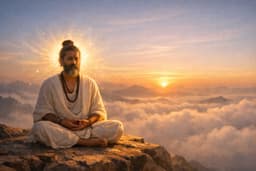
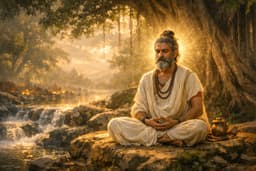
According to ancient Hindu scriptures, Lord Vishnu meditated at this spot for thousands of years, seated under a Badri tree (Indian wild berry), hence the name Badrinath. The Goddess Lakshmi is believed to have shielded him from the harsh weather by taking the form of the tree. This act of devotion is why the temple is considered a symbol of divine love and protection.
The temple also finds mention in the Vishnu Purana, Skanda Purana, and several other texts. It is said that visiting Badrinath helps devotees attain moksha (liberation) and wash away lifetimes of sins.
History and Significance
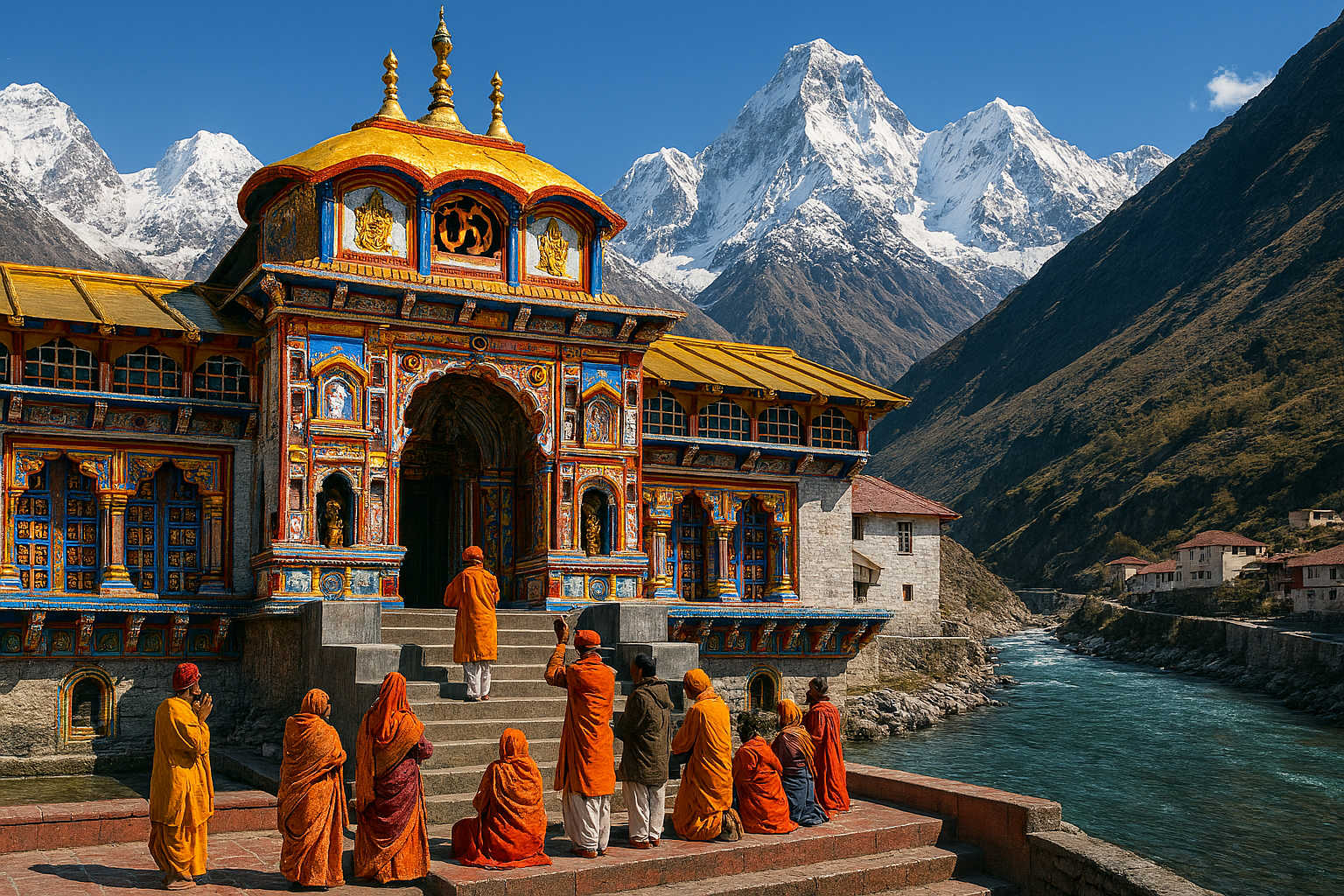
Badrinath Temple stands at an altitude of 3,133 meters (10,279 ft), on the banks of the Alaknanda River, a tributary of the holy Ganga. The temple, as we see it today, is believed to have been established by Adi Shankaracharya in the 8th century CE, who found the idol of Lord Vishnu in the Alaknanda River and enshrined it here.
Over centuries, the temple has undergone multiple renovations due to harsh weather and avalanches, yet it retains its original sanctity and charm. Today, Badrinath is one of the 108 Divya Desams, the sacred Vishnu temples mentioned in Tamil literature.
Architectural Beauty
The temple is a striking structure with a colorful façade of red, yellow, and blue hues, crowned by a golden roof. Its architectural style reflects a mix of traditional Garhwali woodwork and stone masonry. The main entrance, known as the Singhdwar, leads into the Mandapa (hall) and then the Garbha Griha (sanctum), where the deity resides.
The idol of Lord Vishnu, known as Badri Narayan, is a black stone image seated in a meditative posture, flanked by other deities like Narada, Nar, Kubera, and Garuda. The sanctum exudes a divine aura, filling the heart of every pilgrim with peace.
Sacred Spots Around Badrinath
Badrinath is not just a temple; the entire region is sacred. Some must-visit spots include:
-
Tapt Kund: A natural hot water spring near the temple, where devotees take a purifying bath before darshan.
-
Neelkanth Peak: A towering snow-clad mountain offering a breathtaking view.
-
Mata Murti Temple: Dedicated to the mother of Nar and Narayan.
-
Charan Paduka: A rock with imprints believed to be of Lord Vishnu’s feet.
-
Vyas Gufa and Ganesh Gufa: Ancient caves associated with the writing of the Mahabharata.
Opening and Closing of Badrinath Temple
The temple remains closed for nearly six months due to heavy snowfall. It opens in April/May on Akshaya Tritiya and closes in November on Bhai Dooj. During winter, the idol is shifted to Joshimath, where worship continues.
Festivals and Rituals
The most important rituals at Badrinath include Maha Abhishek, Abhishek, and Vishnusahasranama Path. These can be booked by devotees in advance. Major festivals include:
-
Mata Murti Ka Mela: Celebrated in September, honoring the mother of Nar and Narayan.
-
Badri-Kedar Festival: A cultural and religious event held in June.
The Spiritual Significance
Badrinath is believed to be the holiest of the four dhams, and every Hindu aspires to visit it at least once in a lifetime. According to legends, the Pandavas from the Mahabharata also visited Badrinath on their way to heaven. The region is considered so pure that even a thought of Badrinath is said to cleanse the mind.
How to Reach Badrinath
-
By Air: The nearest airport is Jolly Grant Airport (Dehradun), about 314 km away.
-
By Train: The nearest railway station is Haridwar or Rishikesh, from where buses and taxis are available.
-
By Road: Well-connected by road; buses and shared taxis run from Haridwar, Rishikesh, and Dehradun.
Best Time to Visit
The best time to visit Badrinath is between May and June (summer) and September to October (post-monsoon). Winters are extremely harsh and the temple remains closed.
Nearby Attractions
-
Mana Village: The last Indian village near the Indo-Tibetan border.
-
Vasudhara Falls: A scenic waterfall about 9 km from Badrinath.
-
Hemkund Sahib: A revered Sikh pilgrimage site, accessible via trek.
Conclusion
Badrinath is not just a temple—it’s a gateway to divinity, a place where faith meets serenity amid snow-capped peaks and sacred rivers. Every step in this holy land feels like a step closer to liberation. Whether you seek spiritual peace, adventure, or cultural richness, Badrinath offers an experience that transcends the ordinary.