Sharda Peeth – Lost Wisdom Center in Kashmir
Nestled in the picturesque valley of Kashmir, Sharda Peeth is not just a temple; it is an ancient symbol of knowledge, spirituality, and cultural heritage. Known as one of the 51 Shakti Peethas, this sacred site is dedicated to Maa Sharda, the goddess of wisdom and learning. The term ‘Sharda’ itself refers to Saraswati, the goddess of knowledge, who holds a special place in Hindu philosophy and education.
Today, Sharda Peeth stands in ruins, but its legacy as a center of wisdom and scholarship in ancient India continues to echo in the pages of history.
The Mythological Significance of Sharda Peeth
According to Hindu mythology, when Sati’s body was dismembered by Lord Vishnu’s Sudarshan Chakra to calm Lord Shiva’s grief, her right hand is believed to have fallen at the site of Sharda Peeth. This makes it one of the most powerful Shakti Peethas. The presiding deity here is Maa Sharda, regarded as an embodiment of Saraswati, the goddess of learning.
Devotees believe that worshipping Maa Sharda blesses them with wisdom, clarity, and success in education. It is also believed that ancient sages and scholars once performed penance here to gain spiritual knowledge.
Historical Importance – A Great Learning Center
Apart from being a religious site, Sharda Peeth was once a renowned seat of learning, comparable to Nalanda and Takshashila. Ancient texts mention that scholars from all over India and beyond came here to gain knowledge in philosophy, grammar, logic, and scriptures. It housed a vast library of manuscripts that attracted intellectuals for centuries.
Several historical accounts, including those by Al-Biruni and other travelers, refer to Sharda Peeth as a major educational hub in the early medieval period. This temple thus symbolizes India’s glorious past in education and cultural exchange.
Architectural Marvel Amidst Nature
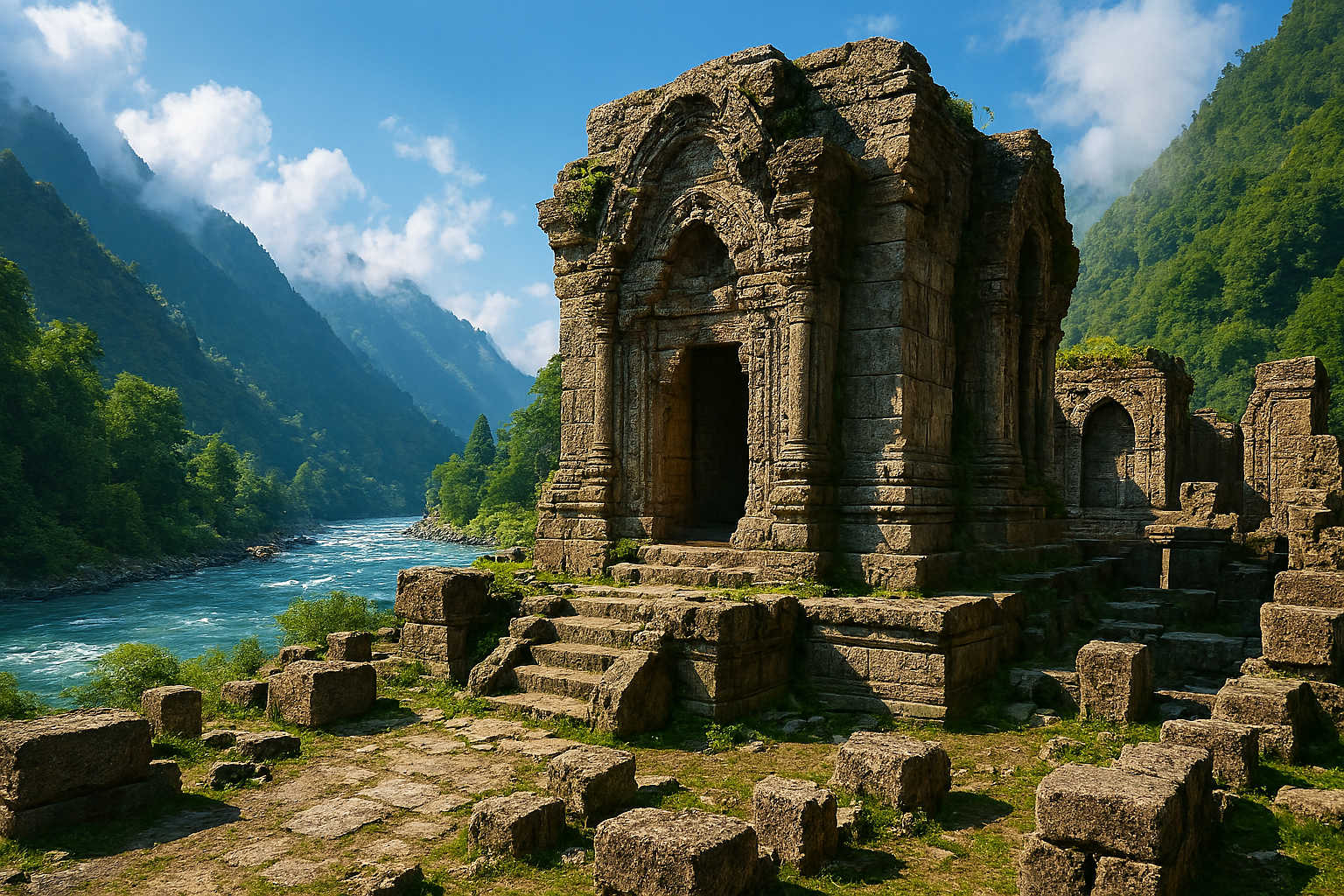
The remnants of Sharda Peeth reflect the Kashmiri style of stone architecture. Built with massive stone blocks, the temple once stood tall with beautifully carved pillars and ornamental designs. Even in its ruined state, it radiates an aura of grandeur and divinity.
Located near the Neelum River (ancient Kishanganga) and surrounded by snow-clad mountains, the temple offers a breathtaking view of nature. The tranquil environment adds to its spiritual charm, making it a serene place for meditation and reflection.
Religious and Cultural Legacy
For Hindus, Sharda Peeth holds deep spiritual significance. Maa Sharda is revered as the ultimate source of knowledge, wisdom, and learning. Devotees often pray to her before embarking on educational pursuits. In ancient times, it was a tradition for scholars to begin their academic journey by seeking blessings at this temple.
Sharda Peeth also has cultural importance in Kashmiri Pandit traditions. Many old manuscripts in the Sharada script (an ancient script used in Kashmir) are believed to have originated from this region, further cementing its connection with education.
Current Status and Accessibility
Today, Sharda Peeth lies in ruins in the Pakistan-administered region of Kashmir (PoK) near the Line of Control (LoC). Due to political boundaries, Indian pilgrims cannot easily access the temple, though there have been discussions about allowing religious tourism under special arrangements, similar to the Kartarpur Corridor.
Despite its inaccessibility, the temple remains a significant symbol of India’s spiritual and intellectual heritage, and many devotees still dream of visiting it someday.
Festivals and Devotion
Though the temple is not actively functional for daily rituals due to its location, Maa Sharda is worshipped with great devotion in various parts of India, especially in Kashmir, Himachal Pradesh, and Uttarakhand. Special pujas and celebrations during Navratri and Vasant Panchami honor the goddess of learning.
Legends and Folklore
Local folklore says that Goddess Sharda appeared here to bless the region with wisdom and spiritual power. Some legends even associate this site with ancient sages like Adi Shankaracharya, who is believed to have visited Sharda Peeth during his travels across India to revive Sanatana Dharma.
How to Reach (Hypothetical for Pilgrims)
-
Nearest Airport: Srinagar Airport (if access permitted)
-
Nearest Railway Station: Jammu Tawi or Srinagar (requires special permission for cross-border travel)
-
Road Access: Currently restricted due to geopolitical issues
Best Time to Visit (If Open in Future)
The ideal time would be summer months (May–September), when the weather is pleasant, as the region experiences harsh winters with heavy snowfall.
Nearby Attractions
-
Neelum Valley: Famous for its scenic beauty
-
Ruins of Ancient Universities: Historical remains nearby
-
Traditional Kashmiri Villages: Known for cultural heritage
Legacy in Scriptures and Education
Sharda Peeth is often mentioned in scriptures like the Skanda Purana and other ancient texts as a sacred place of wisdom. The very name of the Sharada script and even the modern Sharada University in India are derived from this temple, reflecting its enduring influence on education.
Conclusion
Sharda Peeth is not just a temple; it is a symbol of India’s ancient wisdom, learning, and devotion. Though its grandeur now lies in ruins, its spiritual essence and historical glory continue to inspire scholars, devotees, and cultural enthusiasts. The hope remains that one day, devotees will again be able to visit this sacred Shakti Peeth and pay homage to Maa Sharda in her original abode.