The Curse of Sage Gautam and River Godavari
In the sacred land of India, every river carries a story, and every stream whispers legends from ancient times. One such divine river is Godavari, revered as the Dakshina Ganga (Ganga of the South). Flowing through Maharashtra, Telangana, and Andhra Pradesh, the Godavari is more than just a water body—it is a symbol of purity, penance, and divine grace. But have you ever wondered how this mighty river came into existence? The tale takes us back to the time of Sage Gautam, his unmatched devotion, and an unexpected curse that changed the destiny of a region forever.
Who Was Sage Gautam?
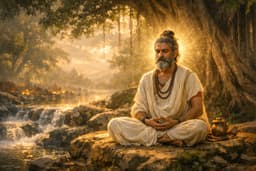
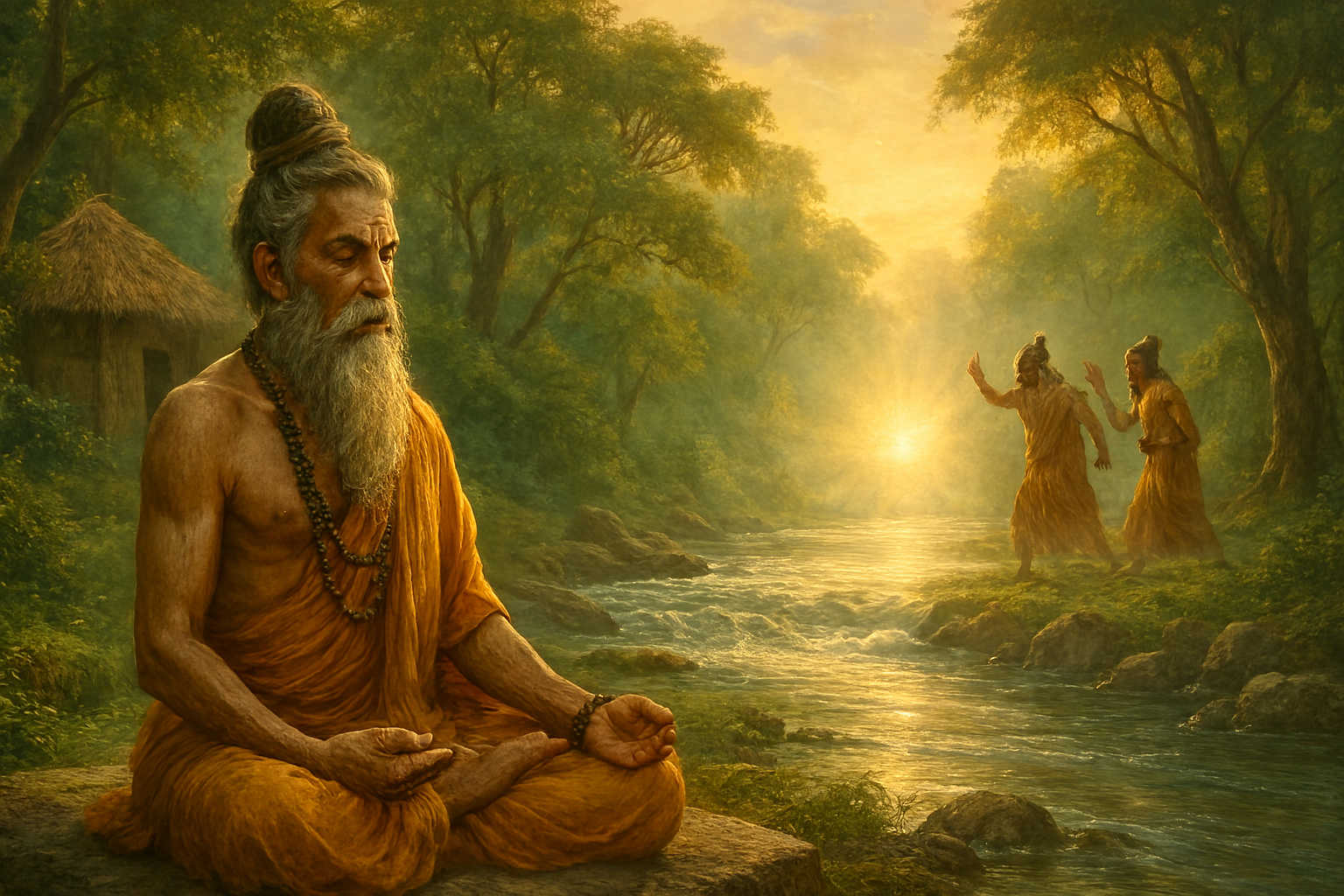
Sage Gautam, one of the revered Saptarishis (seven great sages), was known for his wisdom, discipline, and deep spiritual practices. He lived with his devoted wife, Ahalya, in a serene ashram amidst the lush greenery near what is today Tryambakeshwar, in Maharashtra. This place is now considered one of the holiest sites in India, as the origin of the Godavari River.
Gautam Rishi was a firm practitioner of Tapasya (austerities) and Dharma. His ashram was a hub of Vedic learning and spiritual enlightenment, attracting students and sages from far and wide. But destiny had an unusual twist in store.
The Ashram and the Sacred Cow
According to legend, the region around Sage Gautam's hermitage suffered from a severe famine. People were starving, rivers dried up, and crops withered. The compassionate sage prayed to Lord Varuna, the god of waters, and through his penance, he was blessed with rains that revived the land. Soon, the area around his ashram turned fertile, and grains grew in abundance.
In his hermitage lived a sacred cow named Kapila, gifted by the gods. The cow was revered as a mother because in Vedic tradition, cows are considered holy and the embodiment of prosperity and purity. Sage Gautam took great care of her, and the cow became central to the ashram’s life.
The Turning Point – A Tragic Incident
One day, while collecting tender grass for Kapila, Sage Gautam accidentally injured the cow with a sharp darbha grass blade. Unfortunately, the wound proved fatal, and the cow collapsed and died. For a sage who upheld Ahimsa (non-violence) as the highest principle, this was a devastating blow.
News of this incident spread quickly, and other sages living nearby began to criticize Gautam harshly. They accused him of committing the greatest sin—Go-hatya (killing a cow)—a crime considered even more severe than killing a human being in Vedic tradition.
The Curse and the Command
The sages declared that Gautam had become impure and cursed him to leave his ashram immediately. Heartbroken and grief-stricken, Sage Gautam tried to explain that it was an accident, but the others remained unmoved. Seeking redemption, he prayed fervently to Lord Shiva, the supreme god of compassion and transformation.
Lord Shiva appeared before Gautam and said,
"O wise sage, your act was unintentional, but since the world perceives it as sin, you must perform an act that cleanses not only you but also blesses humanity for ages to come."
He instructed Gautam to bring the holy river Ganga down to earth in this region so that its sacred waters could wash away his supposed sin.
The Birth of Godavari – Ganga Comes to the South
Gautam began an intense Tapasya (penance) to please Goddess Ganga. Pleased with his devotion, Ganga agreed to descend but with a condition—she would flow wherever Lord Shiva allowed her to. Thus, Gautam prayed to Lord Shiva once again. The compassionate lord granted his wish and commanded Ganga to appear at the Brahmagiri Hills near Tryambakeshwar.
As the holy river emerged from the mountain, it came to be known as Godavari, sanctifying the land of the south just like Ganga does in the north. The place where the river first appeared is now home to the Tryambakeshwar Jyotirlinga, one of the twelve sacred Jyotirlingas dedicated to Lord Shiva.
Significance of the Story
This legend is not just a tale of penance and purity; it teaches us profound lessons:
-
Even the purest souls face challenges—Life tests everyone, regardless of their spiritual progress.
-
Intent vs. perception—An act done without malice can still be misinterpreted.
-
Redemption through devotion—No sin is beyond forgiveness when one turns to God with a sincere heart.
The Godavari River is now a lifeline for millions, irrigating vast lands and sustaining countless lives. Every year, thousands of pilgrims visit Tryambakeshwar to take a holy dip in the river, believing it washes away sins and brings spiritual merit.
Festivals and Rituals Associated with Godavari
-
Godavari Pushkaram – A grand festival celebrated once every 12 years, attracting millions of devotees.
-
Tryambakeshwar Temple rituals – Special ceremonies for redemption and ancestral offerings.
Conclusion
The story of Sage Gautam and River Godavari reminds us of the divine play where even adversity becomes a blessing for the world. From an unfortunate incident arose a river that nourishes life, symbolizing that out of pain can come purity, and from despair can flow grace.
So next time you see the Godavari flowing gracefully through the Deccan plateau, remember this tale of devotion, penance, and the unending mercy of the divine.