Badrinath – The Divine Seat of Vishnu
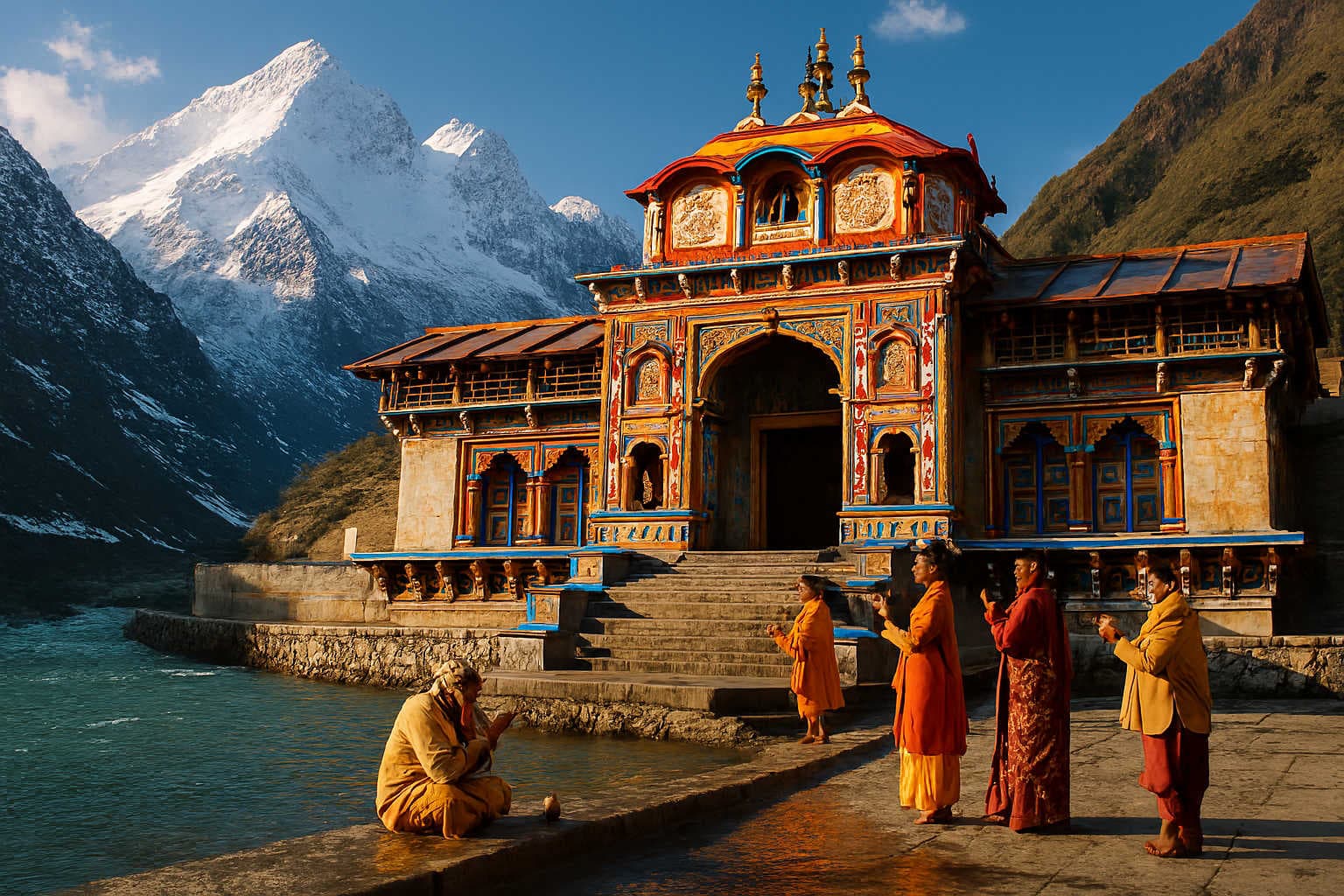
Badrinath, located in the Garhwal Himalayas of Uttarakhand, is one of the most sacred pilgrimage sites for devotees of Lord Vishnu. Nestled along the banks of the Alaknanda River, the temple is renowned not only for its spiritual significance but also for its breathtaking Himalayan backdrop. Revered as a Divya Desam, Badrinath has been a center of devotion, culture, and faith for centuries.
The Legend of Badrinath
The origin of Badrinath is deeply connected with Lord Vishnu and his consort Goddess Lakshmi. According to legend:
-
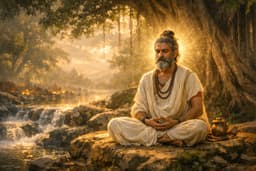
During a period of intense penance in the Himalayas, Vishnu meditated under a Badri tree to protect humanity from evil.
-
The Goddess Lakshmi, in the form of a berry tree (Badri tree), provided shade and comfort to Vishnu during his meditation.
-
This sacred spot eventually became the temple of Badrinath, with the tree symbolizing divine presence, protection, and blessings.
The name “Badrinath” itself is derived from “Badri” (berry tree) and “Nath” (lord), meaning “Lord of the Badri tree”. This emphasizes Vishnu’s connection with nature and his role as the preserver of cosmic order.
Spiritual Significance of Badrinath
-
Gateway to Moksha: Devotees believe that visiting Badrinath and performing rituals here helps in attaining liberation and spiritual purification.
-
Divine Presence: The temple houses a sacred idol of Vishnu in a meditative posture, radiating spiritual energy and cosmic balance.
-
Union of Devotion and Nature: Badrinath represents the harmony between human devotion and the natural world, where the mountains, river, and temple coexist to create a divine experience.
Pilgrimage – A Journey of Faith
Reaching Badrinath is both a spiritual and physical journey. Devotees trek through challenging Himalayan paths, facing harsh weather and rugged terrain. The pilgrimage instills:
-
Perseverance: Spiritual attainment requires dedication and effort.
-
Faith: Sincere devotion enables the seeker to overcome obstacles on the path.
-
Community: Pilgrims experience shared devotion, enhancing spiritual and social bonds.
Rituals and Worship
The rituals at Badrinath focus on honoring Lord Vishnu:
-
Darshan of the Idol: The meditative Vishnu idol in the sanctum is worshiped daily with offerings of flowers, holy water, and prayers.
-
Aarti and Bhajans: Devotees participate in morning and evening Aartis, filling the temple with chants and songs praising Vishnu’s glory.
-
Festivals: Special occasions like Mata Diwas, Ekadashi, and Vaikuntha Ekadashi witness grand celebrations and rituals, attracting thousands of devotees.
Mystical Features of Badrinath
-
Location in the Himalayas: The temple’s high-altitude position signifies the spiritual ascent required to approach the divine.
-
Alaknanda River: The sacred river flowing alongside the temple enhances purification and devotional practices.
-
Natural Beauty: Snow-capped peaks, serene valleys, and pristine nature create a spiritual ambiance, inspiring meditation and inner reflection.
Cultural and Historical Importance
Badrinath is not just a religious site, but also a center of culture, history, and learning:
-
Vedic Scholarship: Historically, sages performed penance and imparted spiritual knowledge near the temple.
-
Architectural Significance: The temple’s stone construction and vibrant colors reflect ancient Himalayan architectural traditions.
-
Community and Pilgrimage: The site has preserved traditions of hospitality, devotion, and community engagement through centuries.
Philosophical Insights
The temple and its legends offer profound spiritual lessons:
-
Devotion Requires Effort: The challenging pilgrimage symbolizes that spiritual growth demands perseverance.
-
Integration of Nature and Spirituality: Devotion is inseparable from the natural world, reflecting harmony and reverence.
-
Divine Presence Everywhere: Vishnu’s meditative form reminds devotees that divinity permeates all aspects of existence.
-
Balance of Preservation: As the preserver in the Hindu trinity, Vishnu teaches the importance of maintaining cosmic and personal balance.
Lessons from Badrinath
-
Faith in Adversity: Overcoming physical and spiritual challenges strengthens devotion and inner resolve.
-
Patience and Persistence: Spiritual progress, like the trek, is gradual and requires endurance.
-
Humility and Surrender: Approaching the divine with a humble heart ensures spiritual blessings.
-
Connection to Cosmic Order: Worship at Badrinath aligns devotees with the eternal rhythms of the universe.
Conclusion
Badrinath – The Divine Seat of Vishnu is a timeless symbol of faith, devotion, and spiritual elevation. Perched in the majestic Himalayas, the temple offers a unique blend of natural beauty, cultural richness, and spiritual energy. Devotees who journey to Badrinath not only experience a challenging physical pilgrimage but also a profound inner transformation, drawing closer to Lord Vishnu’s divine presence.
The temple teaches that true spirituality requires effort, perseverance, and devotion, while nature and divine energy work together to guide seekers toward enlightenment. Badrinath remains an enduring beacon for millions, symbolizing protection, preservation, and ultimate liberation for those who approach with sincerity and faith.