The Origin of Kashi – City of Lord Shiva
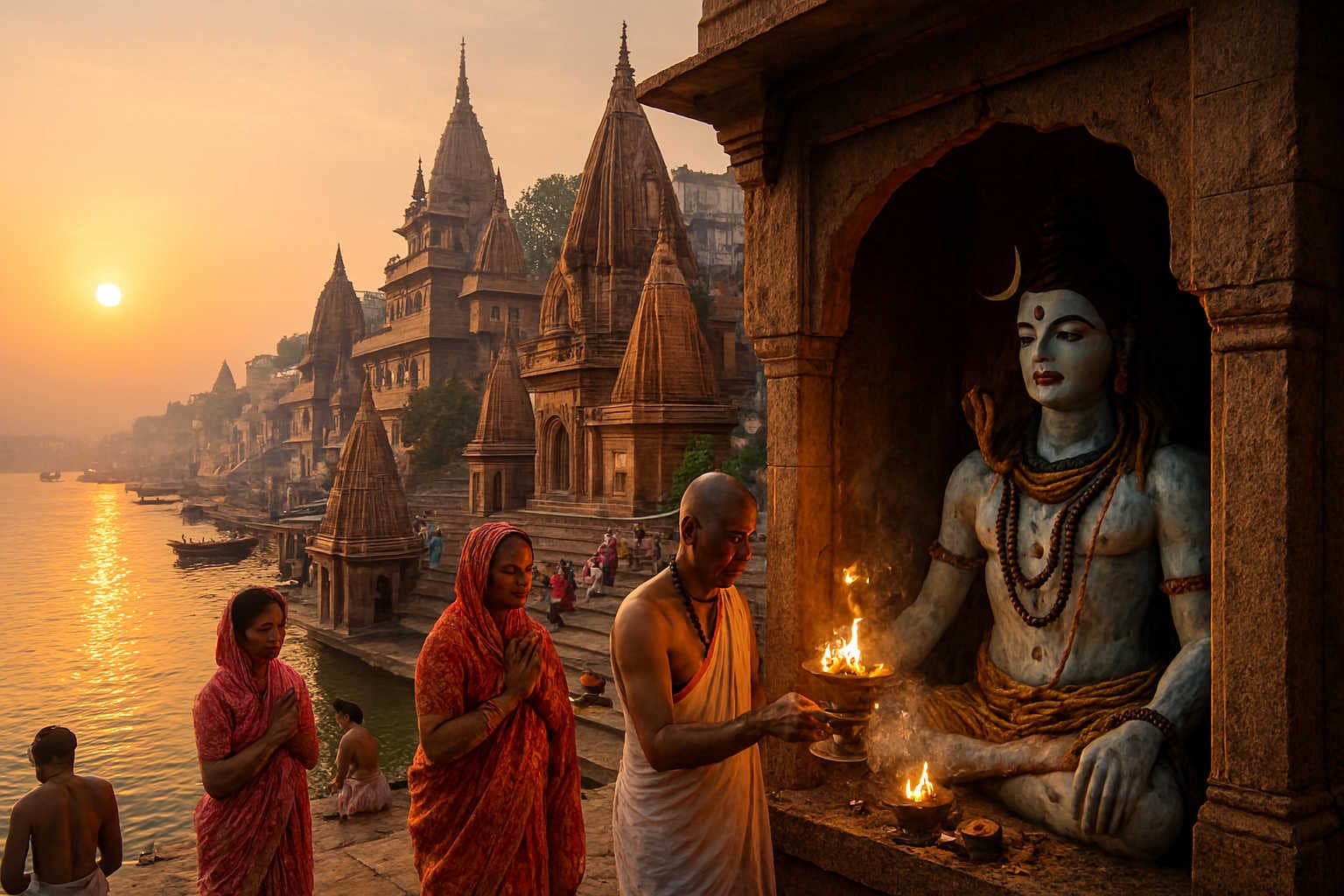
Kashi, also known as Varanasi, is one of the oldest and most sacred cities in the world. Revered as the City of Lord Shiva, it has been a spiritual center for thousands of years. The city’s origin is steeped in mythology, history, and divine significance, making it a focal point for devotees seeking spiritual liberation and connection with Shiva.
The Divine Foundation of Kashi
Legend has it that Lord Shiva himself founded Kashi as a city where souls could attain moksha (liberation). It is believed that Shiva chose this location on the banks of the holy Ganges to bless humanity with spiritual knowledge and the path to salvation. The river Ganga, flowing through Kashi, is considered the most sacred river, purifying the mind, body, and soul.
The city’s name “Kashi” comes from the Sanskrit root “kāś”, meaning “to shine” or “to illuminate.” Symbolically, Kashi illuminates the path of spiritual seekers, guiding them toward truth, righteousness, and eternal bliss.
The Mythology Behind Kashi
According to Hindu mythology, Kashi is described in texts like the Shiva Purana as a city established to serve as the abode of Shiva on earth. Shiva promised that anyone who dies in Kashi would be freed from the cycle of birth and death, attaining moksha instantly. This makes the city uniquely sacred and spiritually powerful.
The legend of Kashi also connects with Goddess Parvati and Lord Shiva’s cosmic dance. It is said that Shiva manifested himself as the Supreme Lord of Kashi, performing the Tandava in the cosmic rhythm, symbolizing creation, preservation, and destruction—the eternal cycles of life.
Spiritual Significance of Kashi
-
Path to Liberation: The city is known as the Moksha Puri, offering spiritual liberation to its residents and visitors. Devotees believe that dying in Kashi or performing rituals along the ghats ensures freedom from karma and rebirth.
-
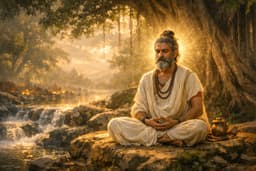
Divine Presence: Every corner of Kashi is said to be imbued with Shiva’s energy, from ancient temples to quiet lanes, making it a spiritual powerhouse for meditation and worship.
-
Center of Learning: Historically, Kashi has been a hub for Vedic learning, philosophy, and culture, attracting sages, scholars, and saints seeking divine wisdom.
Temples and Rituals
The city is home to thousands of temples, each narrating tales of Shiva’s glory. Some notable features include:
-
Kashi Vishwanath Temple: Dedicated to Lord Shiva, it is the heart of the city’s spiritual life. The Shivling here is considered eternal, drawing millions of devotees each year.
-
Ganga Ghats: Rituals performed along the ghats symbolize purification and devotion, with pilgrims bathing in the sacred waters to cleanse sins.
-
Festivals: Maha Shivaratri, Kartik Purnima, and other festivals celebrate Shiva, attracting devotees from all over India and the world.
Philosophical Perspective
Kashi represents the union of the temporal and the eternal. While life in the city is vibrant, chaotic, and worldly, the spiritual essence of Shiva permeates everything. Pilgrims are reminded that true liberation is found amidst daily life, not just in isolation, reflecting the philosophy that spirituality and worldly existence can coexist harmoniously.
The cyclical nature of the Ganges mirrors the eternal cycles of life, reminding devotees that birth, death, and rebirth are all part of divine design, and that devotion to Shiva in Kashi transcends mortality.
Cultural Impact of Kashi
Kashi is more than a religious site; it is a cultural and educational epicenter:
-
Art and Music: The city has inspired classical music, dance, and art forms dedicated to Shiva and spiritual expression.
-
Philosophical Discourse: Scholars and saints have engaged in debates and teaching, making Kashi a center of Vedic and philosophical knowledge.
-
Pilgrimage and Community: The city fosters a strong sense of devotion, community, and cultural continuity through rituals, festivals, and daily worship.
Lessons from the Origin of Kashi
-
Devotion Transcends Time: Kashi teaches that true faith connects past, present, and future, linking generations through spiritual practice.
-
Spiritual Preparation: The city emphasizes the importance of preparing the mind and heart for liberation.
-
Divine Proximity in Daily Life: Shiva’s omnipresence in Kashi reminds devotees that spirituality is not separate from daily existence.
-
Sanctity of Sacred Spaces: Pilgrimage and ritual worship in Kashi highlight the power of place in spiritual growth.
Conclusion
The origin of Kashi as the City of Lord Shiva reflects an eternal truth: divinity and liberation are accessible to all sincere seekers. From the holy Ganges to the ancient temples and bustling ghats, every part of Kashi resonates with spiritual energy. Pilgrims who visit the city experience not only the grandeur of history but also a deep connection with the divine essence of Shiva, illuminating their path toward moksha.
Kashi is a reminder that true spiritual illumination comes from devotion, understanding, and living in harmony with divine principles, making it one of the most sacred and enduring centers of Hindu faith.