The Story of Sati and Lord Shiva
Among the many tales of devotion, love, and divine power in Hindu mythology, the story of Sati and Lord Shiva holds a special place. It is a tale of unwavering devotion, the triumph of love, and the cosmic consequences of pride and ego. Sati’s selfless love and Shiva’s boundless compassion remain timeless examples of spiritual union and dharma.
Who Was Sati?
Sati, also known as Dakshayani, was the daughter of King Daksha, a powerful and influential ruler. From a young age, Sati was deeply spiritual and drawn toward meditation and devotion. She recognized Lord Shiva, the ascetic deity, as the ultimate divine being and chose him as her life partner despite her father’s disapproval.
Sati represents Shakti, the divine feminine energy, while Shiva embodies the cosmic consciousness. Their union symbolizes the inseparable connection of energy and consciousness in the universe.
Marriage to Lord Shiva
Despite King Daksha’s reservations—because Shiva’s ascetic and unconventional lifestyle clashed with royal norms—Sati’s devotion was unwavering. She married Shiva with full awareness of his greatness and accepted a life of austerity and spiritual discipline beside him.
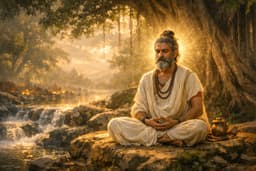
Together, they resided in the Himalayas, away from worldly distractions, creating a serene abode for meditation and cosmic balance. Their love was pure, transcending earthly pleasures, rooted in mutual respect, spiritual purpose, and divine connection.
The Daksha Yajna and the Curse
King Daksha organized a grand yajna (sacrifice) to assert his power and invite all gods, sages, and beings, deliberately excluding Lord Shiva and Sati. This insult wounded Sati deeply. Despite her love for Shiva, her heart could not bear the dishonor shown to her husband.
Sati attempted to reason with her father, but Daksha’s pride blinded him. In a moment of anguish and devotion, Sati immolated herself in the sacrificial fire, declaring that she could not tolerate disrespect to Shiva. This act of self-sacrifice was not only a demonstration of love but also a protest against ego and injustice.
Shiva’s Wrath and the Creation of Veerabhadra
When Lord Shiva learned of Sati’s death, he was consumed by cosmic rage. In his grief and fury, he tore a lock of his matted hair and threw it to the ground, giving rise to Veerabhadra, a fierce warrior. Veerabhadra and Shiva’s army descended upon Daksha’s yajna, destroying the sacrificial hall and punishing those who had insulted the goddess.
Sati’s body was later retrieved by Shiva, and her soul remained bound to the cycle of divine energy, destined to be reborn. This event emphasizes the power of devotion, showing that ego and pride, even of kings, cannot withstand the force of divine love and righteousness.
Rebirth as Parvati
Sati was eventually reborn as Parvati, daughter of the mountain king Himavat and queen Mena. From childhood, she was devoted to Shiva, and through rigorous penance and unwavering faith, she reunited with him. Their union as Parvati and Shiva restores cosmic balance and symbolizes the eternal cycle of energy and consciousness.
This rebirth highlights the themes of redemption, patience, and eternal devotion. It demonstrates that true love and spiritual alignment transcend lifetimes.
Symbolism of Sati’s Story
-
Devotion and Sacrifice – Sati’s self-immolation represents ultimate devotion and moral courage.
-
Divine Justice – Daksha’s arrogance leads to his downfall, showing that pride opposes cosmic order.
-
Union of Shakti and Shiva – Sati and Shiva exemplify the integration of feminine energy and cosmic consciousness.
-
Cycle of Life and Rebirth – The story conveys spiritual continuity and the rebirth of energy in righteous forms.
Cultural Impact and Worship
The story of Sati is celebrated in many temples across India. Temples dedicated to Shakti, such as the Shakti Peethas, mark the spots where parts of Sati’s body are believed to have fallen during Shiva’s cosmic dance of grief (Tandava). These sites are revered for their spiritual power and are centers of devotion for Shakti worshipers.
Festivals like Navratri and Maha Shivaratri honor the divine union of Shakti and Shiva, reflecting the harmony of energy and consciousness in the universe. Devotees perform rituals, prayers, and meditation to seek blessings for strength, courage, and spiritual wisdom.
Lessons from the Story
-
Respect and Humility – Pride and arrogance, as seen in Daksha, have consequences.
-
Faith and Patience – Devotion and love endure across time, leading to eventual reunion and fulfillment.
-
Balance of Energy – Sati and Shiva’s story teaches the importance of integrating strength and consciousness in life.
-
Moral Courage – Upholding dharma, even in the face of adversity, is a key spiritual principle.
Conclusion
The story of Sati and Lord Shiva is a timeless narrative of love, devotion, sacrifice, and cosmic order. It shows how unwavering faith and selfless devotion can triumph over ego, injustice, and worldly obstacles. Sati’s courage, combined with Shiva’s infinite compassion, offers profound lessons on spirituality, morality, and the eternal power of divine energy.
Her rebirth as Parvati reminds us that devotion and righteousness are never lost—they may transform and return in forms that restore cosmic balance, guiding humanity toward virtue and enlightenment.