Krishna’s Role as Shantidoot
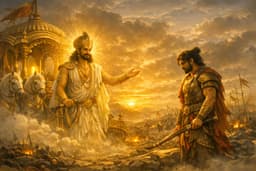
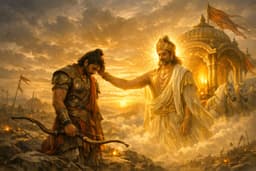
Among the many profound episodes in the Mahabharata, one of the most significant is Lord Krishna’s role as Shantidoot (peace messenger). Before the great war of Kurukshetra, Krishna made an earnest attempt to avoid bloodshed and restore harmony between the Kauravas and Pandavas. This episode is a remarkable lesson on diplomacy, righteousness, and the consequences of arrogance.
The Background – Rising Tensions Before Kurukshetra
The enmity between the Kauravas and Pandavas had reached its peak after the infamous Game of Dice and Draupadi’s humiliation. Despite 13 years of exile and severe hardships, the Pandavas returned with the hope of regaining their rightful share of the kingdom.
Yudhishthira, valuing peace, was ready to compromise. The Pandavas requested only five villages to avoid war:
“Give us Indraprastha or even five villages – Avishtha, Vrikasthala, Makandi, Varana, and one more – and we will not fight.”
But Duryodhana, blinded by arrogance, declared:
“I will not give them land enough to pierce with the tip of a needle!”
It was at this critical moment that Krishna decided to intervene as a Shantidoot.
Krishna’s Mission of Peace
Krishna, the embodiment of wisdom and compassion, took it upon himself to mediate between the warring cousins. His goal was to prevent the destruction of dharma and save countless lives. Acting as a messenger of peace, Krishna visited Hastinapura to negotiate on behalf of the Pandavas.
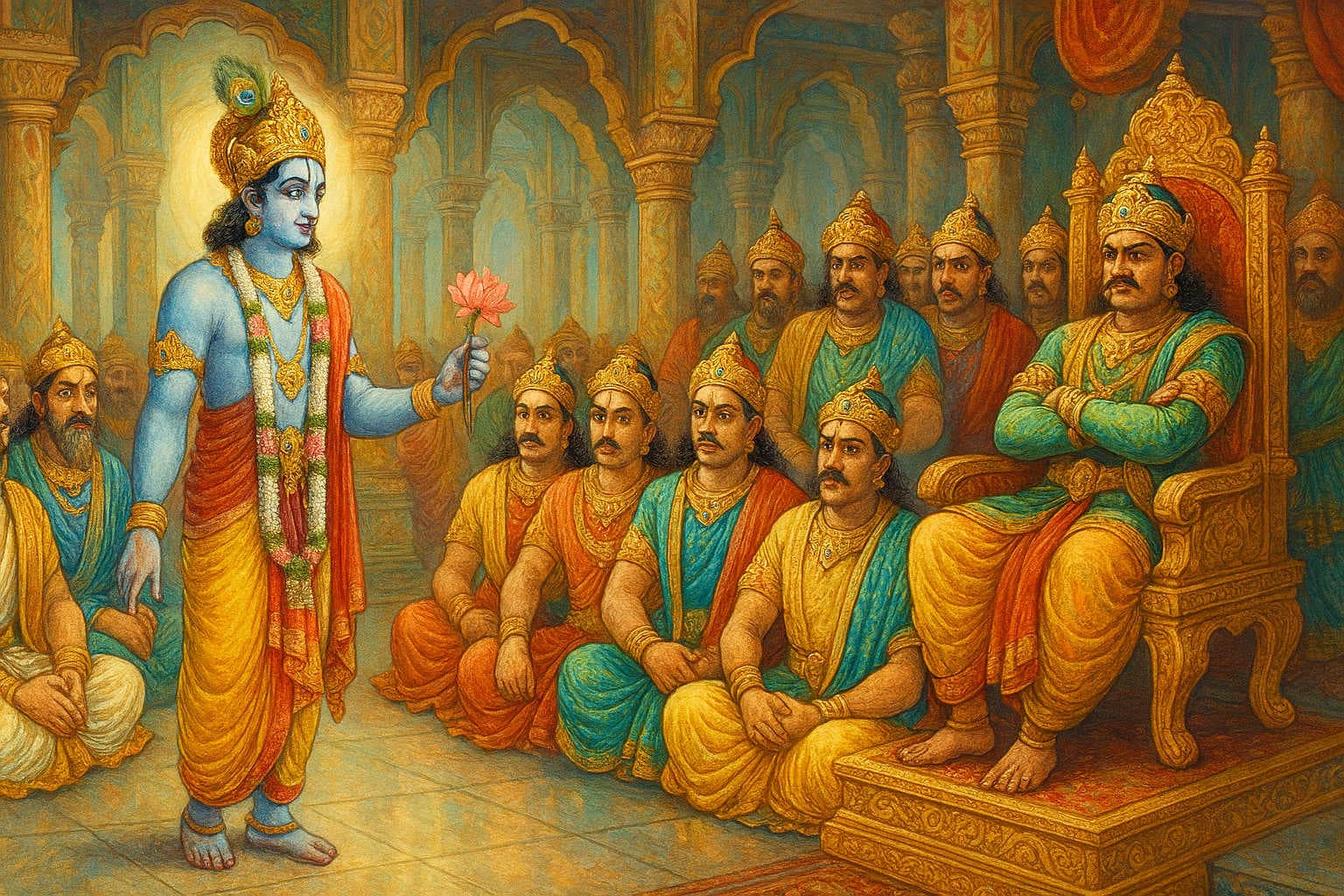
When Krishna arrived at Dhritarashtra’s court, he was received with grand honors, but tension filled the air. Krishna spoke calmly, appealing to the sense of justice and kinship:
“O Kauravas, the Pandavas seek only what is rightfully theirs. For the sake of peace, grant them even a little—five villages, and let the world be spared of war.”
Duryodhana’s Arrogance and Conspiracy
Duryodhana, consumed by pride and hatred, mocked Krishna’s proposal. He refused to yield even a needlepoint of land. His arrogance blinded him to reason and dharma.
Worse still, Duryodhana plotted to capture Krishna during the assembly, thinking that imprisoning him would demoralize the Pandavas. This conspiracy marked the peak of adharma in the Kaurava court.
Krishna Reveals His Divine Form
Krishna, aware of Duryodhana’s wicked plan, smiled. When the Kauravas tried to seize him, Krishna revealed his Vishwaroopa (universal form). The court was stunned as they witnessed Krishna’s cosmic form—countless heads, arms, blazing light, the entire universe within him. The display was a silent message: “No one can bind the Supreme.”
Even Dhritarashtra, who was blind, was granted divine vision for a moment to behold this cosmic form. Overwhelmed, he pleaded for his sight to be taken back, unable to bear the radiance.
Why Krishna Failed as a Shantidoot
Krishna’s peace mission failed not because of a lack of effort but because of Duryodhana’s obstinacy and greed. This failure sealed the fate of the Kauravas and ensured the inevitability of the Kurukshetra war. However, Krishna’s attempt was not in vain—it fulfilled his role as a guide and protector of dharma.
Lessons from Krishna as Shantidoot
-
Peace Before War: Even when wronged, the Pandavas were willing to compromise for peace—a sign of true strength.
-
The Dangers of Ego: Duryodhana’s arrogance led to the destruction of his entire dynasty.
-
Divine Grace and Dharma: Krishna’s role symbolizes that divine forces always strive to uphold righteousness.
-
Violence as a Last Resort: War is never the first solution; all diplomatic means should be exhausted before conflict.
The Spiritual Significance
Krishna’s attempt as Shantidoot reflects the eternal principle of upholding dharma through peaceful means first. It teaches that while the divine supports righteousness, it does not impose it. Humans have free will, and the consequences of their choices are inevitable.
Conclusion
Krishna’s role as a Shantidoot is a shining example of diplomacy, wisdom, and compassion in the Mahabharata. Though peace was not achieved, his efforts highlight the importance of seeking reconciliation before resorting to violence. In the end, when all attempts fail, the responsibility of restoring dharma may require stronger actions—but the first step must always be peace.