Lava and Kusha – Sons of Sita
The Ramayana, one of the greatest epics of ancient India, is not just a tale of Lord Rama and his virtues but also a story that includes many remarkable characters. Among them are Lava and Kusha, the brave and noble sons of Sita and Rama. Their story is filled with courage, devotion, and righteousness, and it forms an essential part of the later chapters of the Ramayana.
Birth of Lava and Kusha
After Lord Rama returned to Ayodhya and was crowned king, the people of the kingdom began to gossip about Sita’s purity, despite her passing the Agni Pariksha. To uphold his duty as king and avoid any blame on the throne, Rama made the heartbreaking decision to send Sita away to the forest, even though she was pregnant at the time.
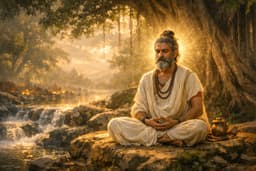
Heartbroken and alone, Sita found refuge in the hermitage of Sage Valmiki, the very sage who later wrote the Ramayana. Under his guidance and protection, Sita gave birth to twin sons, whom she named Lava and Kusha.
Childhood in Valmiki’s Ashram
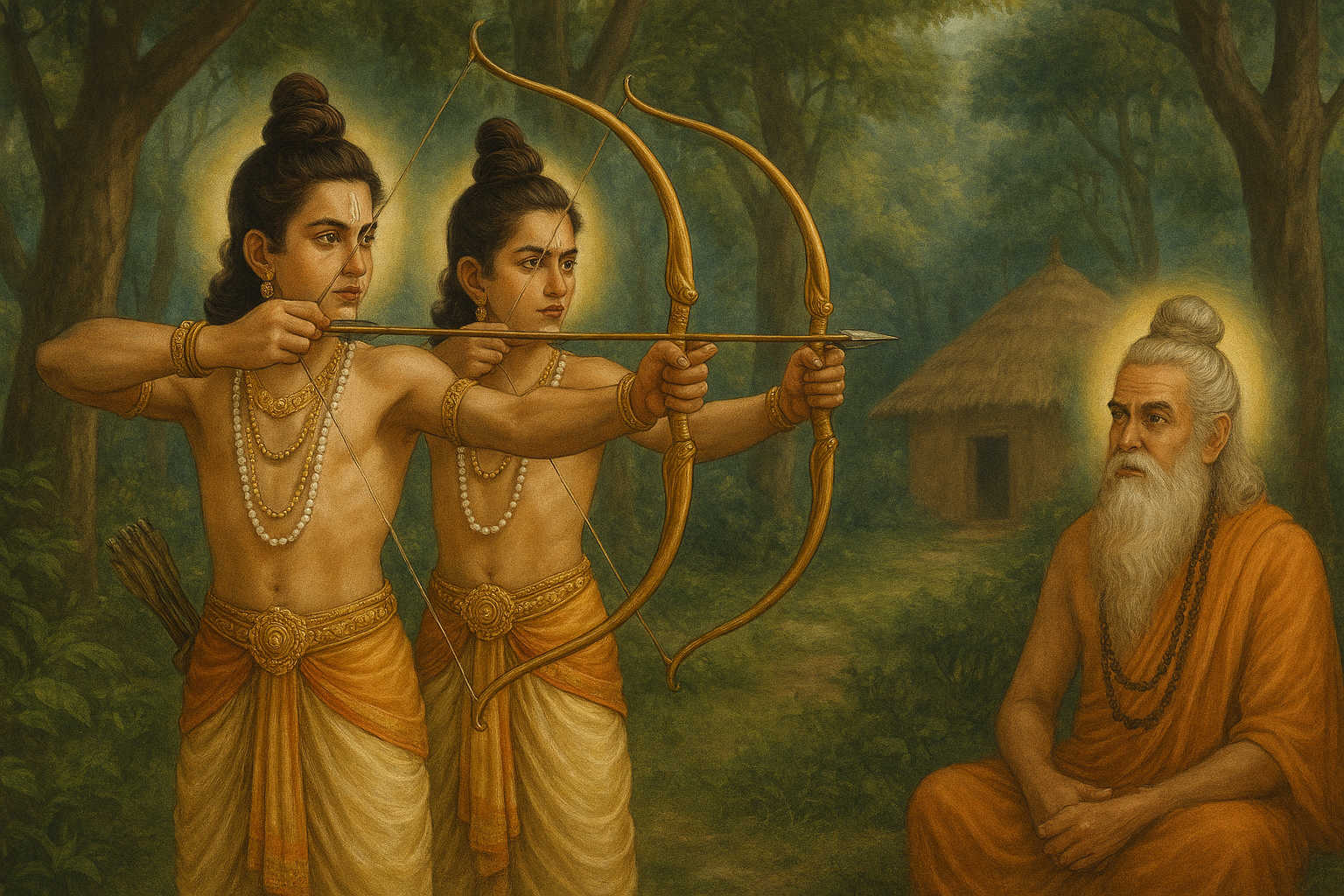
Lava and Kusha grew up in the peaceful surroundings of Valmiki’s ashram, away from the grandeur of Ayodhya. Valmiki himself educated the boys, teaching them the scriptures, principles of dharma, and martial arts. The twins excelled in archery and warfare, becoming highly skilled warriors.
Interestingly, the boys were unaware of their royal lineage. They believed themselves to be disciples of Valmiki and sons of Mother Sita, living a simple life in the forest.
Learning the Ramayana
Under Valmiki’s guidance, Lava and Kusha also learned to sing and recite the verses of the Ramayana, which the sage had composed. They developed a melodious way of narrating the epic and would often travel from village to village, singing the story of Rama with devotion and grace.
Meeting Lord Rama
The turning point in their story comes during the Ashwamedha Yajna performed by Lord Rama in Ayodhya. According to the ritual, a consecrated horse was allowed to roam freely, and the regions it entered were declared under the sovereignty of the yajna’s performer. Lava and Kusha, unaware of Rama’s identity, stopped the horse and challenged the army accompanying it.
A fierce battle ensued, where the twins displayed extraordinary valor and defeated even mighty warriors like Lakshmana, Shatrughna, and others. Eventually, Lord Rama himself faced them in battle.
Just before the fight escalated further, Sage Valmiki intervened and revealed the truth: the two boys were none other than Rama’s own sons. This revelation stunned everyone, and an emotional reunion took place.
Reunion and Sita’s Departure
After the battle, Rama invited Sita to return to Ayodhya with Lava and Kusha. However, Sita, deeply hurt by the earlier events, chose to return to Mother Earth instead. She prayed to Goddess Earth to take her back, and the Earth opened up, accepting Sita into its fold.
Lava and Kusha were then taken to Ayodhya by Rama and given their rightful place as princes. They grew up to be great rulers and carried forward the Ikshvaku dynasty’s glory.
Significance of Lava and Kusha in the Ramayana
The story of Lava and Kusha symbolizes resilience, devotion, and the importance of righteousness. Despite being born in challenging circumstances, they upheld dharma and showed that greatness is not limited to royal palaces but can flourish even in hermitages.
Their lives teach us:
-
Courage and Strength: Standing up for what they believed in.
-
Respect for Dharma: Despite their bravery, they submitted when the truth was revealed.
-
Value of Education: Knowledge and values instilled by Valmiki shaped their character.
Legacy of Lava and Kusha
Even today, Lava and Kusha hold a special place in Indian tradition. The city of Lahore is believed by some to be named after Lava, and Kasur after Kusha, though historians debate this. Their story is celebrated in various folk traditions, plays, and festivals across India.
Conclusion
The tale of Lava and Kusha adds depth to the Ramayana, showcasing how dharma, sacrifice, and virtue transcend generations. Their journey from humble beginnings in a hermitage to the royal court of Ayodhya is a powerful reminder that destiny, guided by righteousness, always leads to greatness.
As the sons of Sita, they carried forward the ideals of their parents—honor, courage, and devotion—making them legendary figures in the epic saga of the Ramayana.