Modern Ways to Keep Ancient Festivals Alive
Hindu festivals have been celebrated for thousands of years, carrying stories, values, and traditions that reflect the wisdom of ancient India. From Diwali and Holi to Makar Sankranti, Navratri, and Pongal, each festival holds spiritual depth and cultural richness. However, as lifestyles change, cities expand, and technology shapes our lives, the way we celebrate festivals has also transformed. While the risk of losing touch with traditional practices exists, modern times also offer unique opportunities to keep these festivals alive in ways that connect with today’s generation.
Why Modernization Matters
Festivals evolve with time. What was once celebrated with oil lamps and community gatherings now includes electric lights, social media sharing, and global participation. The essence, however, remains the same—celebrating divinity, unity, and gratitude. By adapting festivals to suit modern lifestyles, we ensure that traditions don’t fade away but instead stay relevant for the younger generation.
1. Using Technology for Spiritual Connection
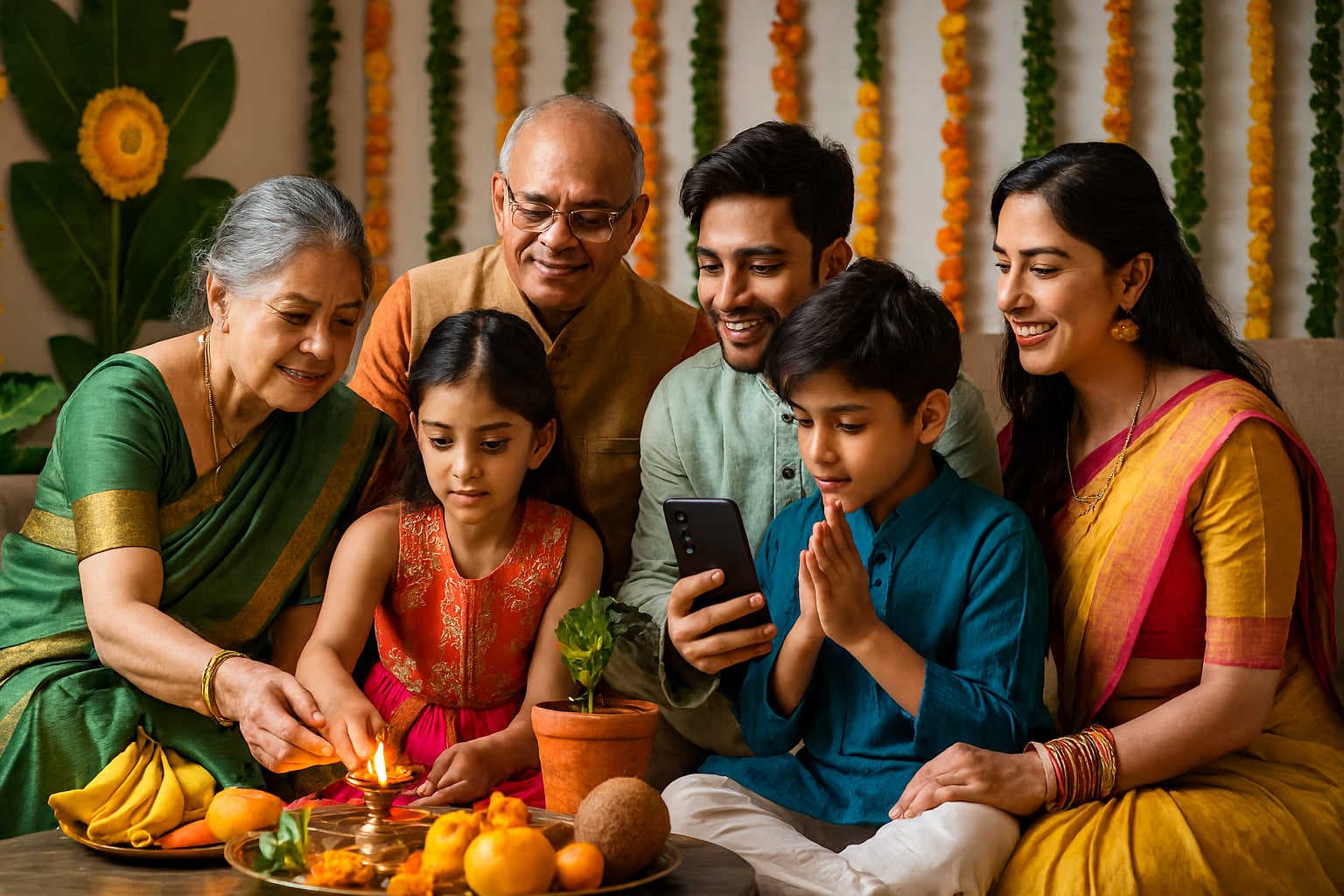
Technology has made it possible to join religious rituals from anywhere in the world. Families separated by distance now connect via video calls to perform aarti together. Many temples stream live pujas, allowing devotees across the globe to participate virtually. Mobile apps provide festival calendars, mantras, and reminders, helping people stay connected to rituals even in busy schedules. Rather than replacing traditions, technology can enhance accessibility.
2. Eco-Friendly Celebrations
With rising environmental concerns, many are adopting sustainable practices in festivals. Clay idols for Ganesh Chaturthi, natural colors for Holi, and reusable decorations for Diwali are becoming popular. Schools and communities organize awareness drives to promote eco-conscious celebrations. By teaching children to honor nature through mindful practices, we ensure that the message of dharma and harmony with the environment continues.
3. Blending Traditional Food with Modern Tastes
Food is central to every Hindu festival. Today, while many traditional sweets like laddoos, gujiyas, and payasam remain popular, people are also experimenting with healthy or fusion versions—sugar-free modaks, baked mithai, or millet-based sweets. This balance of old and new ensures that the significance of festive foods continues while aligning with health-conscious lifestyles.
4. Passing Down Stories in Creative Ways
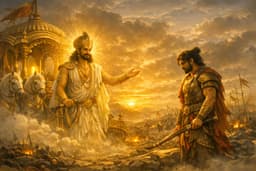
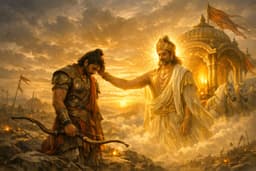
Stories of Rama’s return on Diwali, Krishna’s playful Holi, or Goddess Durga’s victory during Navratri carry timeless wisdom. In the past, these were shared orally by elders. Now, parents and teachers use illustrated books, digital storytelling, animations, and even podcasts to pass on these tales. By presenting mythology in engaging formats, children develop curiosity and respect for traditions.
5. Celebrating in Smaller, Meaningful Gatherings
While ancient celebrations often centered on entire villages or towns, modern city life limits large gatherings. Families now focus on celebrating within their homes or local communities. This shift doesn’t reduce the value of festivals—it makes them more intimate. Mindful pujas, family feasts, and local temple visits bring depth and togetherness.
6. Globalization and Cultural Exchange
Hindu festivals are now celebrated globally, from New York to Sydney. Communities abroad keep traditions alive by organizing temple events, cultural programs, and parades. Interestingly, these festivals also invite participation from people of other cultures, making them occasions of cultural exchange. Holi festivals, for example, have become global symbols of joy and unity, ensuring that traditions travel far beyond India’s borders.
7. Reinterpreting Rituals with Personal Meaning
Modern families often adapt rituals to suit their circumstances. For instance, if bursting crackers during Diwali harms the environment, people instead light extra diyas or donate to charity. If fasting on a workday is difficult, one may choose a simplified version of the fast with fruits and prayers. The key is to keep the essence alive—devotion, gratitude, and self-discipline—while adjusting practices thoughtfully.
8. Including Social Service in Celebrations
Many festivals traditionally include charity, like feeding the poor or donating clothes. Today, people extend this idea through organized drives—distributing meals, planting trees, or supporting NGOs during festivals. This practice not only honors tradition but also gives festivals a deeper, socially relevant meaning.
9. Encouraging Youth Participation
One of the challenges today is that younger generations may see festivals as outdated. By involving them actively—through dance, music, volunteering, eco-projects, or digital storytelling—festivals can become exciting rather than obligatory. Schools and universities also play a major role in keeping traditions alive by hosting competitions and cultural events.
10. Practicing Mindfulness and Gratitude
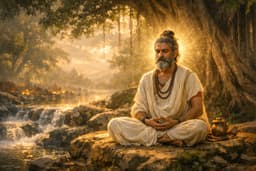
Ultimately, modern celebrations can bring us back to the ancient purpose of festivals—gratitude, devotion, and joy. Taking a few quiet moments to reflect, chant, or meditate during the festival balances external celebration with internal awareness. It ensures that festivals are not just rituals we perform but experiences that transform us.
Conclusion
Ancient Hindu festivals are living traditions, not relics of the past. They adapt, evolve, and stay meaningful as long as we celebrate them with awareness and creativity. Modern ways—such as using technology, promoting eco-friendliness, sharing stories digitally, and involving youth—help bridge the gap between tradition and contemporary life. By honoring the spirit of each festival while embracing modern tools, we ensure that these timeless celebrations remain vibrant for generations to come.
Festivals are more than holidays—they are living bridges between the past, present, and future. Celebrating them consciously ensures that our cultural heritage continues to shine in today’s world.