Ganga Dussehra – How Ganga Came to Earth
Ganga Dussehra is one of the most sacred Hindu festivals, celebrating the descent of the holy river Ganga to Earth. Observed in the Hindu month of Jyeshtha (May–June), this festival holds immense spiritual importance for devotees who believe that bathing in the Ganga on this day cleanses sins and grants blessings. But beyond the rituals, Ganga Dussehra is rooted in a powerful story from Hindu mythology—the journey of how the river Ganga, once residing in the heavens, came down to Earth through the efforts of King Bhagiratha and the intervention of Lord Shiva.
The Legend of Ganga’s Descent
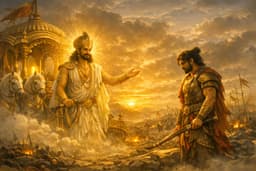
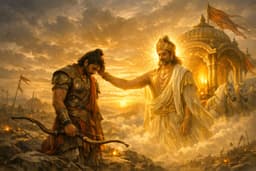
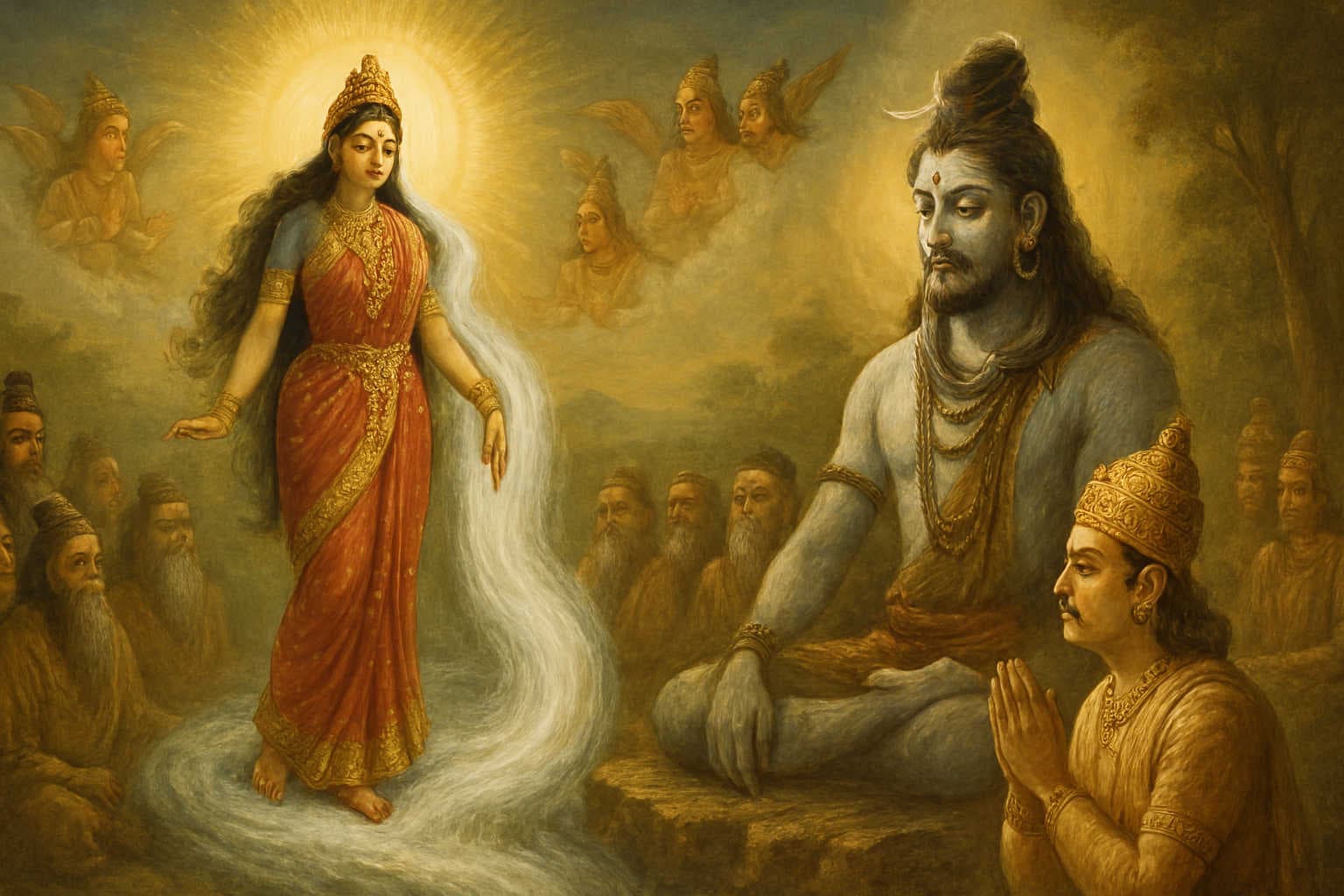
The origins of Ganga Dussehra are deeply tied to the tale of King Bhagiratha. Long ago, the Sagara dynasty was cursed, and the souls of King Sagara’s 60,000 sons wandered without liberation. To free them, their descendant Bhagiratha performed intense penance for thousands of years, praying for the celestial river Ganga to descend to Earth. Only the sacred waters of Ganga could purify their souls and grant them salvation.
The gods granted Bhagiratha’s wish, but there was a problem—Ganga’s powerful descent from heaven could destroy the Earth with her force. To prevent this, Bhagiratha prayed to Lord Shiva, who agreed to help. When Ganga descended, Shiva caught her in his matted locks, controlling her immense energy. He then released her gently in streams, allowing her to flow onto Earth without causing destruction. Following Bhagiratha, Ganga reached the ashes of the Sagara princes, washing them clean and granting them moksha.
This is why Ganga is often called Bhagirathi, honoring King Bhagiratha’s devotion.
Spiritual Significance of Ganga Dussehra
Ganga Dussehra is not just a commemoration of this legend—it embodies deeper meanings:
- Symbol of Purity: Ganga represents purity, forgiveness, and the ability to cleanse karmic sins.
- Grace of the Divine: Her descent symbolizes divine mercy—God responding to human devotion.
- Balance of Power: Shiva’s role reflects the necessity of balance; uncontrolled power can destroy, but with restraint, it nurtures life.
- Liberation of Souls: The story emphasizes the Hindu belief in salvation through divine grace and sacred rituals.
Rituals and Celebrations
Ganga Dussehra is celebrated with grandeur, especially in towns along the Ganges such as Haridwar, Varanasi, Prayagraj, and Rishikesh. Devotees gather at riverbanks and perform rituals including:
- Holy Bath (Snan): Bathing in the Ganga is believed to wash away sins and bring spiritual merit.
- Offerings (Arghya): Devotees offer water, flowers, and lamps to the river while chanting mantras.
- Deep Daan (Lamp Offering): Floating lamps in the river at sunset creates a mesmerizing sight, symbolizing light over darkness.
- Charity (Daan): Giving food, clothes, and donations to the needy is considered highly auspicious on this day.
- Ganga Aarti: Special aartis are held at major ghats, filling the air with devotion, music, and sacred chants.
Why It Is Called Dussehra
The word “Dussehra” here is symbolic—it represents the destruction (haran) of ten sins (dus). Devotees believe that worshipping Ganga on this day helps overcome ten types of sins related to body, speech, and mind, including hatred, envy, violence, and greed.
Ganga in Hindu Culture
Beyond the festival, the Ganga is interwoven with Indian culture and spirituality. She is not just a river but a goddess, a mother (Ganga Maiya), and a lifeline for millions. Pilgrimages, rituals, and festivals across India revolve around her, making her one of the most revered deities.
Modern Relevance of Ganga Dussehra
While the ancient story highlights devotion and divine intervention, today Ganga Dussehra also reminds us of our responsibility to protect and preserve rivers. With pollution threatening the Ganga, honoring her means not just ritual worship but also taking steps to keep her clean for future generations.
Conclusion
Ganga Dussehra is more than a mythological commemoration—it is a celebration of purity, devotion, and divine grace. The story of Ganga’s descent illustrates how human determination (Bhagiratha’s penance), divine intervention (Shiva’s compassion), and the sanctity of nature (Ganga’s waters) come together in harmony. Each year, as lamps float on the river and chants echo on the ghats, devotees are reminded that the Ganga is not only a river but a sacred bridge between heaven and earth, a source of both spiritual liberation and earthly life.