Ancient Origins of Holi – Vedic References
Holi, the festival of colors, is celebrated across India with immense joy, laughter, and vibrant hues. While modern celebrations often emphasize fun, music, and togetherness, the roots of Holi trace back thousands of years into India’s spiritual and cultural past. The origins of Holi are deeply embedded in Hindu scriptures and Vedic traditions, making it not just a festival of colors but also one of profound spiritual meaning.
1. Holi as a Vedic Spring Festival
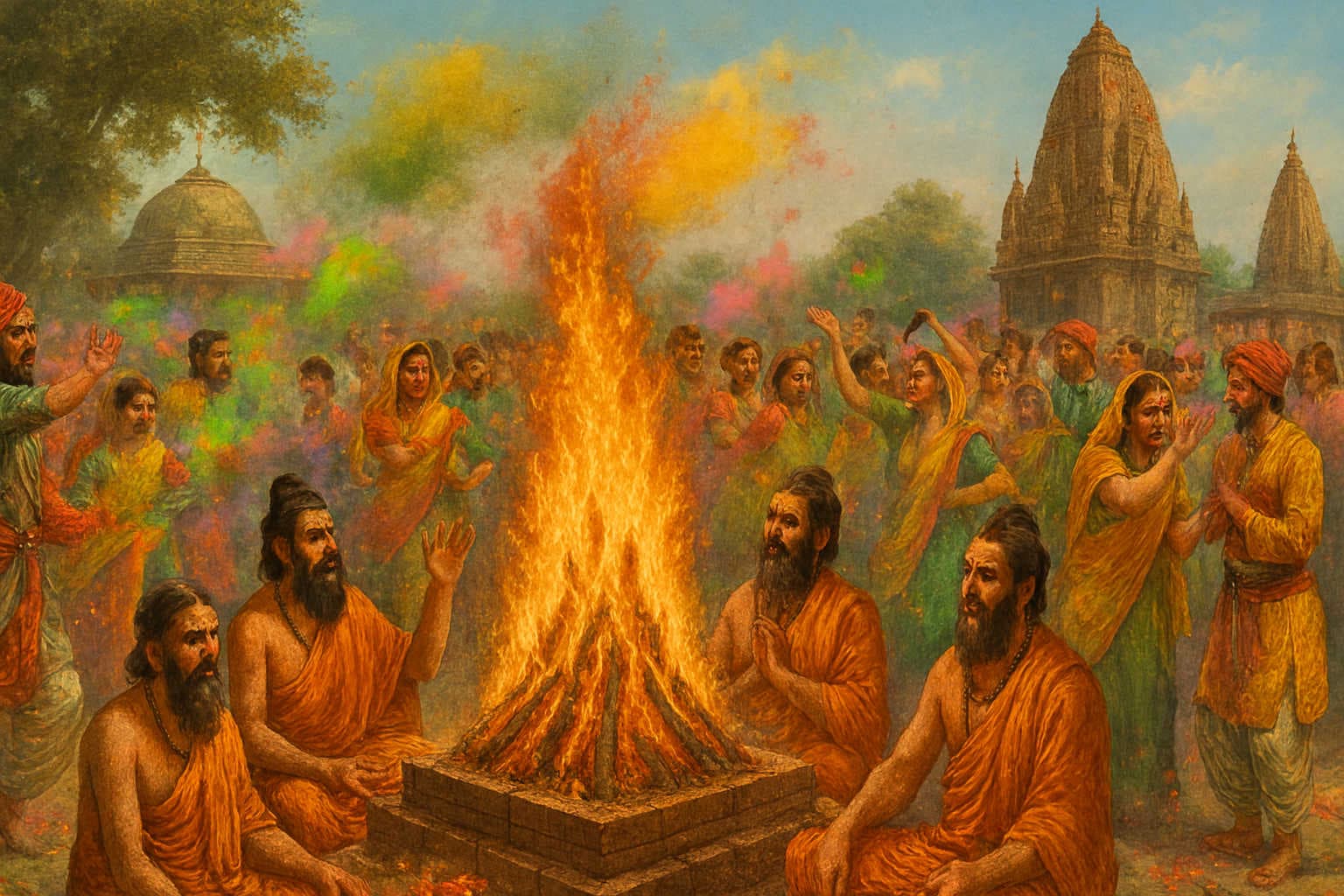
The festival of Holi is closely associated with the arrival of spring, marking the transition from winter to a season of fertility and renewal. Vedic scriptures often reference seasonal celebrations where communities honored Agni (fire) and fertility deities. The rituals of fire worship, which are central to Holika Dahan even today, can be traced to these early practices. Symbolically, the lighting of the fire represents purification, renewal, and the victory of divine forces over negativity.
2. References in the Rigveda and Atharvaveda
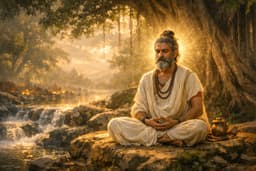
In the Rigveda, seasonal transitions are often linked to yajnas (sacrificial rituals) and collective celebrations. The Atharvaveda speaks of rituals to ward off evil forces and ensure prosperity during seasonal shifts. Many scholars believe that Holi evolved as one such Vedic festival, combining fire rituals with community gatherings, symbolic cleansing, and thanksgiving for the fertility of land and crops.
3. The Story of Holika Dahan – From Myth to Ritual
One of the central narratives of Holi is the story of Prahlada and Holika, mentioned in Puranic texts but rooted in Vedic symbolism. Prahlada, the devout child of demon king Hiranyakashipu, survived a fire meant to destroy him, while Holika, who represented arrogance and evil, perished. The ritual of Holika Dahan reflects the Vedic idea of Agni consuming impurities while protecting truth and devotion. Even today, bonfires lit during Holi symbolize the burning away of negativity and the triumph of dharma.
4. Agricultural and Fertility Aspects in Vedic Tradition
Vedic life was closely tied to agriculture, and springtime festivals were occasions to pray for abundant harvests. The use of natural colors—gulal derived from flowers like tesu (palash) and neem—has roots in these fertility celebrations. Applying colors symbolized prosperity, vitality, and the blessings of nature’s abundance. Thus, Holi may be seen as both a thanksgiving and an invocation of fertility energies described in Vedic hymns.
5. The Krishna Connection – From Veda to Puranic Tradition
While Vedic references laid the foundation of Holi, later traditions enriched the festival through the stories of Krishna and Radha. The playful act of applying colors is most famously associated with Krishna’s divine leelas in Vrindavan and Mathura. While not explicitly in the Vedas, these stories reflect a continuation of the joyous, fertility-related, and community-centered spirit that Holi inherited from Vedic times.
6. Ritualistic Continuity from Vedic to Modern Times
The yajnas of the Vedic era involved fire offerings, chanting of mantras, and communal feasting—elements still alive in Holi. Holika Dahan echoes fire sacrifices, while the next day’s color play reflects collective celebration. The dual nature of Holi—serious rituals on one day and playful joy on the next—mirrors the Vedic philosophy of balancing discipline and delight, austerity and abundance.
7. Symbolism of Duality in Vedic Thought
Vedic philosophy often emphasized the balance between opposing forces—light and darkness, good and evil, truth and arrogance. Holi embodies this symbolism: the destruction of Holika represents the fall of arrogance, while Prahlada’s survival reflects the triumph of devotion and truth. The following day of colors represents harmony, unity, and the blending of all differences in joy.
8. Holi as a Festival of Social Unity
Even in Vedic times, collective participation in yajnas was considered vital for societal harmony. Holi continues this principle by dissolving barriers of caste, class, and age. In ancient communities, Holi likely acted as a festival where people came together in equality, sharing food, colors, and laughter, much as yajnas once unified society under divine blessings.
Conclusion
The ancient origins of Holi reveal it to be far more than a festival of colors. Rooted in Vedic traditions of fire worship, fertility rituals, and social harmony, Holi embodies the eternal values of purification, renewal, and unity. Over time, Puranic legends like that of Prahlada and Krishna enriched its meaning, but its foundation remains deeply connected to the Vedas.
Today, as people splash colors and light bonfires, they unknowingly participate in rituals thousands of years old—rituals that reflect the wisdom of the Vedas and the joyous spirit of life itself. Holi, therefore, is not just a cultural celebration but a living reminder of the Vedic worldview: that life is to be purified, celebrated, and shared in unity.