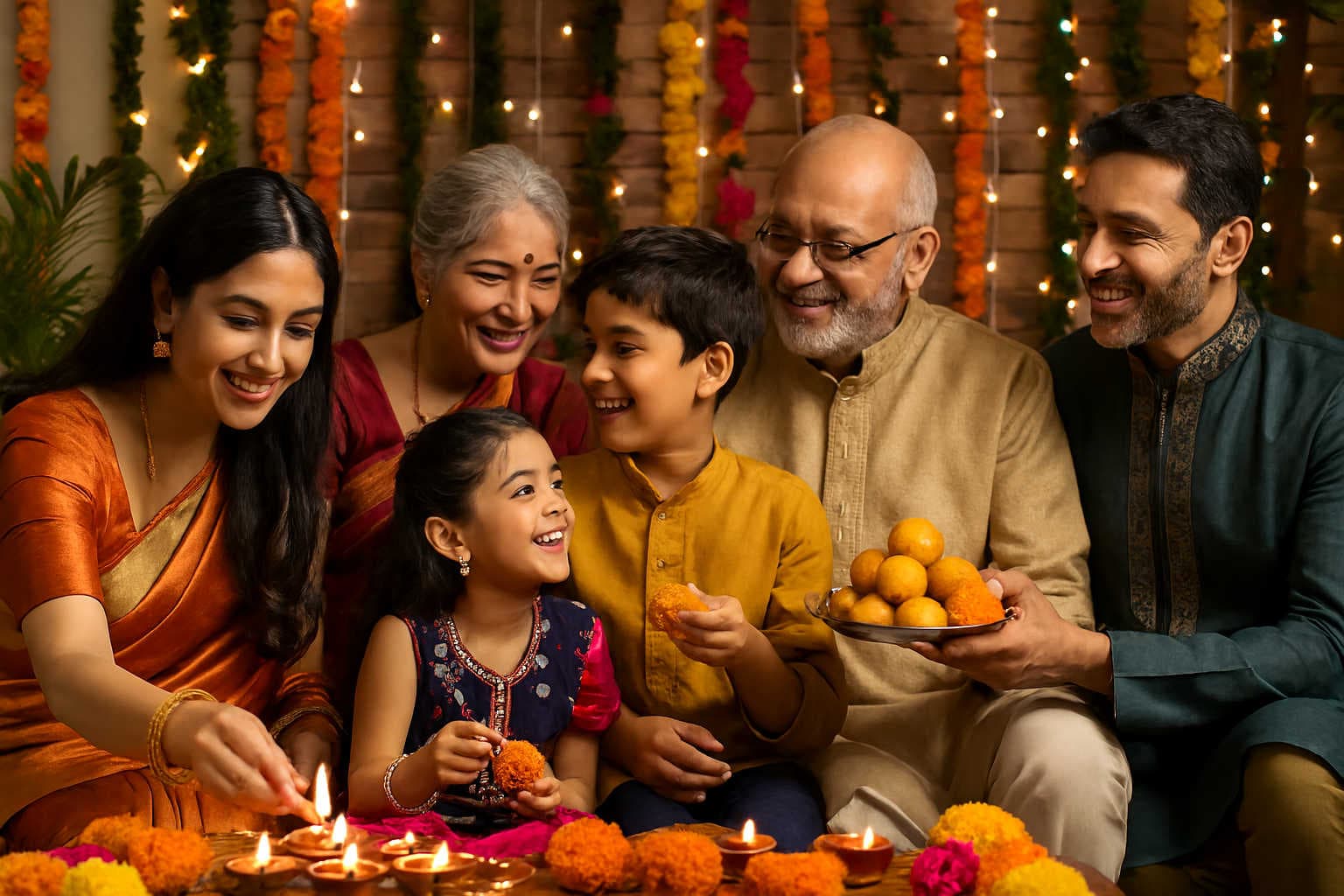
How Festivals Strengthen Family Bonds
Festivals have always been the heartbeat of Indian culture, filling homes with joy, devotion, and color. But beyond rituals and traditions, festivals carry a deeper purpose—they act as bridges between generations, reinforcing family ties, and nurturing love and respect. In today’s fast-paced world, where family members are often separated by distance and busy schedules, festivals create precious opportunities for togetherness.
1. Festivals as Moments of Togetherness
In many households, work, studies, and responsibilities often keep people apart. But when festivals arrive, they bring everyone back under one roof. Whether it is Diwali, Navratri, Raksha Bandhan, or Holi, the act of celebrating together strengthens the feeling of belonging. The laughter of children, the wisdom of elders, and the participation of every family member create lasting memories that bind the family.
2. Shared Traditions Across Generations
One of the most beautiful aspects of Hindu festivals is the way traditions are passed down. A grandmother teaching her granddaughter how to make rangoli, or a father showing his son how to tie a rakhi, becomes more than an activity—it becomes a moment of cultural transmission. These practices preserve heritage while creating shared experiences that keep families connected.
3. Strengthening Emotional Bonds
Festivals are not just about rituals but also about emotions. Lighting diyas together, preparing sweets, dressing in traditional clothes, or sitting together for puja brings a sense of unity. These acts reinforce feelings of love, care, and respect, making each member feel valued. For children, such moments provide a sense of security and belonging, while for elders, it brings immense joy to see traditions alive through younger generations.
4. Rituals that Build Respect and Gratitude
Hindu festivals often emphasize respect for elders and gratitude towards family. On Raksha Bandhan, the bond between siblings is celebrated; on Guru Purnima, respect is shown to teachers and mentors; during Pitru Paksha, ancestors are remembered. These observances remind us of our responsibilities toward family, encouraging respect and reverence within relationships.
5. Festivals as Times of Forgiveness and Renewal
Just as festivals mark the victory of light over darkness, they also allow families to let go of misunderstandings and start afresh. During Diwali, it is customary to clean and purify the home, symbolizing renewal—not just physically, but emotionally. Similarly, Holi with its vibrant colors encourages people to forgive past grievances and embrace joy. These acts of reconciliation help families grow closer.
6. Collective Participation in Rituals
A unique feature of festivals is that they demand collective participation. Everyone has a role—elders lead rituals, women prepare delicacies, children decorate the home, and men arrange for puja items. This distribution of responsibility fosters teamwork and togetherness. Each member’s involvement makes the festival meaningful and strengthens family cooperation.
7. Building Childhood Memories and Nostalgia
For children, festivals often become the foundation of their happiest memories. Receiving gifts during Diwali, breaking the dahi handi during Janmashtami, or flying kites during Makar Sankranti—these experiences stay with them for a lifetime. As adults, they recall these cherished times, and when they recreate them with their own children, the cycle of bonding continues.
8. Festivals in the Modern Context
In today’s globalized world, many families live apart due to education, jobs, or migration. Yet, festivals continue to serve as anchors of family life. Even if celebrated virtually through video calls or by sending gifts and greetings, the essence of togetherness remains. Modern celebrations may adapt, but their role in strengthening family bonds is timeless.
9. Beyond the Family – Community Bonding
While family is at the core, festivals also extend bonding to neighbors and community. Visiting relatives, inviting friends, and celebrating together foster a spirit of inclusiveness. For children, this expands their sense of family, teaching them values of sharing, empathy, and unity.
Conclusion
Hindu festivals are not merely cultural observances but spiritual celebrations that strengthen the fabric of family life. They create opportunities for togetherness, nurture traditions, and foster emotional bonds that go beyond daily routines. In a world where individualism often takes center stage, festivals remind us of the importance of family as the heart of our happiness and identity.
When we light a diya, tie a rakhi, or play with colors, we are not just performing rituals—we are weaving love and togetherness into the fabric of our families. That is the true power of festivals: they keep us connected, grounded, and united through the rhythm of joy and tradition.