Festivals Celebrated by Different Avatars of Vishnu
Hinduism is a religion filled with symbolism, divine stories, and sacred celebrations. Among its most important deities is Lord Vishnu, the preserver of the universe. In times of imbalance, Vishnu is believed to descend on Earth in various forms—called avatars—to protect dharma and restore peace. These Dashavatara (ten incarnations) are not only divine stories but also deeply connected with festivals celebrated across India.
Let’s explore how different avatars of Vishnu are honored through major festivals.
1. Matsya Avatar – The Fish Incarnation
The Matsya avatar saved Manu (the first man) and the Vedas from a great flood. While Matsya does not have a widely celebrated festival, his story is often remembered during special narrations of the Puranas and during rituals connected with water and new beginnings. In South India, Matsya Jayanti is observed with prayers to Lord Vishnu for protection from natural calamities.
2. Kurma Avatar – The Tortoise Incarnation
In his Kurma form, Vishnu helped in the churning of the ocean (Samudra Manthan), supporting Mount Mandara on his back. This avatar is closely remembered during Kurma Jayanti, celebrated in some parts of Andhra Pradesh and Odisha. The Samudra Manthan itself is associated with Dhanteras and Diwali, since Goddess Lakshmi emerged from the ocean during this event.
3. Varaha Avatar – The Boar Incarnation
Varaha rescued the Earth (personified as Goddess Bhudevi) from the demon Hiranyaksha. Devotees celebrate Varaha Jayanti with special pujas and rituals. The avatar is remembered as a symbol of protection of the Earth, making his worship especially significant in temples dedicated to Vishnu’s protective aspect.
4. Narasimha Avatar – The Man-Lion Incarnation
The ferocious Narasimha destroyed the demon Hiranyakashipu to save his devotee Prahlada. His courage and devotion are celebrated during Narasimha Jayanti, usually in May. Devotees observe fasting, recite Prahlada’s story, and perform night vigils. This festival emphasizes the theme that God always protects true devotion.
5. Vamana Avatar – The Dwarf Incarnation
Vamana, the fifth avatar, appeared to humble the demon king Mahabali. This story is central to Onam, Kerala’s most famous festival. Onam celebrates the annual visit of King Mahabali, and the tale of Vamana reminds us of humility and balance of power. The festival is marked by flower decorations (Pookalam), boat races, dances, and grand feasts (Onam Sadya).
6. Parashurama Avatar – The Warrior with an Axe
Parashurama, born to restore justice, destroyed corrupt rulers and re-established dharma. While not associated with a specific pan-Indian festival, some communities observe Parashurama Jayanti, honoring him as the giver of martial arts and knowledge. In Kerala, he is believed to have created the land, and so his presence is deeply tied with local traditions and temple practices.
7. Rama Avatar – The Prince of Ayodhya
The most celebrated avatar, Lord Rama’s life is honored in several festivals:
-
Rama Navami: Celebrates his birth with prayers, bhajans, and readings of the Ramayana.
-
Diwali: Marks Rama’s return to Ayodhya after defeating Ravana, symbolizing victory of good over evil. Homes are decorated with diyas, fireworks, and sweets.
-
Dussehra (Vijayadashami): Honors his victory over Ravana, with effigies of Ravana burnt in many parts of India.
Rama’s festivals highlight devotion, righteousness, and the importance of truth.
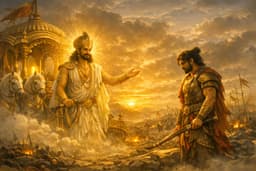
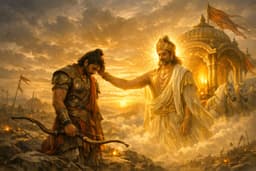
8. Krishna Avatar – The Divine Cowherd
Lord Krishna’s playful and profound life is celebrated in many ways:
-
Janmashtami: His birth is celebrated with fasting, midnight prayers, and temple decorations. Children often dress up as Krishna, and the Dahi Handi tradition symbolizes his playful butter theft.
-
Holi: Connected with Krishna’s playful use of colors with Radha and the gopis. Holi spreads the message of joy, equality, and togetherness.
-
Govardhan Puja: Remembers Krishna lifting the Govardhan hill to protect villagers from torrential rains.
Krishna’s festivals emphasize love, joy, and divine playfulness.
9. Buddha Avatar – The Enlightened One
In some Hindu traditions, Gautama Buddha is considered an avatar of Vishnu. His teachings are celebrated during Buddha Purnima, marking his birth, enlightenment, and death. The festival emphasizes peace, compassion, and non-violence—qualities central to Buddha’s life.
10. Kalki Avatar – The Future Incarnation
The Kalki avatar is yet to appear, destined to end the current age of Kali Yuga. While no festival celebrates Kalki yet, many devotees pray for his arrival, symbolizing hope for the ultimate restoration of righteousness.
Conclusion
The avatars of Lord Vishnu are not just stories; they are reminders of divine intervention in times of crisis. Each avatar connects with a festival that carries lessons of dharma, humility, devotion, and truth. Whether it is Rama’s Diwali, Krishna’s Janmashtami, or Vamana’s Onam, these celebrations ensure that the essence of Vishnu’s incarnations continues to guide generations.
By participating in these festivals, devotees don’t just honor rituals—they relive the timeless wisdom of Vishnu’s avatars and keep alive the spiritual traditions of Hindu culture.