How to Introduce Hindu Festivals to Kids
India is a land of festivals, and Hinduism is known for its rich and colorful celebrations. Each festival comes with its own traditions, rituals, and deep spiritual meanings. For parents, introducing children to these festivals is not only about teaching them culture but also about helping them connect with values, stories, and family bonding.
However, children may find rituals confusing or overwhelming if they are not explained in simple and engaging ways. The key is to make festivals fun, relatable, and meaningful.
1. Start with Stories
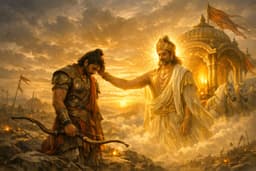
Children love stories. Every Hindu festival is connected to fascinating tales from scriptures—be it Lord Rama’s return on Diwali, Lord Krishna’s playful acts on Janmashtami, or Goddess Durga’s victory on Navratri.
-
Narrate these stories in simple language.
-
Use picture books, illustrated comics, or short animated videos.
-
End each story with a moral lesson kids can understand (e.g., “Diwali teaches us that light always wins over darkness”).
Stories help children see festivals as exciting events filled with heroes, values, and life lessons.
2. Involve Them in Preparations
Children learn best by doing. Let them take part in the preparations for the festivals:
-
Diwali: Help in making rangoli or lighting diyas.
-
Holi: Prepare natural colors at home with flowers.
-
Raksha Bandhan: Craft handmade rakhis.
-
Ganesh Chaturthi: Create eco-friendly clay idols.
When kids get involved, festivals become hands-on experiences rather than passive observations.
3. Explain the Rituals Simply
Some rituals may seem complex for young minds. Instead of detailing every Sanskrit mantra, explain rituals in kid-friendly terms:
-
“We light diyas to remove darkness.”
-
“We fast to learn self-control and gratitude.”
-
“We offer sweets to God as a way of saying thank you.”
This helps children appreciate the meaning behind the actions instead of just following them blindly.
4. Use Crafts and Games
Festivals can be introduced through creative activities:
-
Navratri: Dress dolls in colorful traditional clothes.
-
Janmashtami: Organize a small matki-breaking game at home.
-
Makar Sankranti: Teach kite-flying and explain why it’s celebrated in winter.
Games and crafts make traditions playful, ensuring that children remember the festival with joy.
5. Cook Together
Food is a huge part of Hindu festivals. Children love sweets and snacks, so involve them in the cooking process.
-
Roll ladoos for Ganesh Chaturthi.
-
Decorate cupcakes as diyas for Diwali.
-
Stir halwa on Navratri fasting days.
While cooking, explain why certain foods are prepared for specific festivals. This also connects kids with grandmother’s recipes and family traditions.
6. Celebrate with Community
Festivals are not just about rituals; they are about togetherness. Take your children to community pujas, temple events, or cultural gatherings.
-
Seeing other kids dressed up, singing bhajans, or performing dance makes the festival lively.
-
Participation in group events builds cultural pride and friendship.
7. Teach Values Through Festivals
Every festival is tied to a value:
-
Diwali – Light over darkness (goodness over evil).
-
Raksha Bandhan – Sibling love and responsibility.
-
Navratri – Strength and devotion.
-
Makar Sankranti – Gratitude for harvest.
By focusing on values, kids see that festivals are not just about rituals but also about building character.
8. Keep It Age-Appropriate
For toddlers, keep it visual—colors, lights, songs.
For school-aged kids, focus on stories and participation.
For teenagers, discuss deeper meanings, history, and relevance in modern life.
9. Make It a Family Tradition
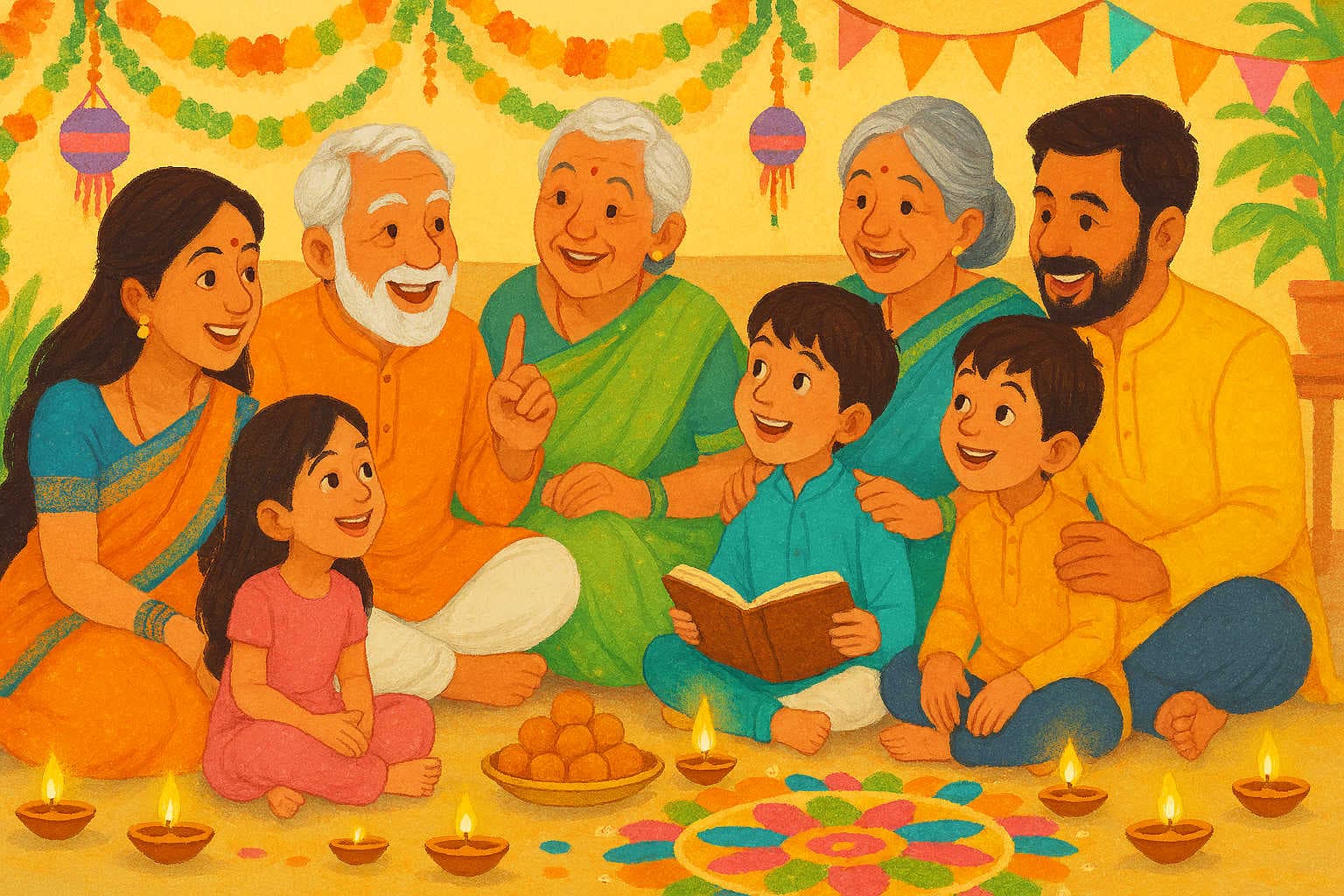
Children remember festivals not only for rituals but for the joy of family time. Reading stories together, decorating the house, cooking festive meals, or doing puja as a family creates lasting memories.
When kids see parents and grandparents involved, they naturally develop a connection with culture.
Conclusion
Introducing Hindu festivals to children is not about burdening them with rituals—it’s about passing on a legacy of stories, values, and family bonding. By making festivals interactive, creative, and fun, parents can ensure that children grow up not just knowing the rituals but feeling proud of their cultural roots.
As kids light diyas, sing bhajans, or share sweets with friends, they are not only celebrating traditions—they are learning life lessons of love, gratitude, and togetherness that will stay with them forever.