Why We Fast on Karwa Chauth – Mythological Reason
Among the many vibrant festivals of India, Karwa Chauth holds a very special place in the hearts of married women. Observed primarily in North India, this festival celebrates the sacred bond of marriage and is marked by a full-day fast, where wives pray for the long life, prosperity, and well-being of their husbands. The most striking feature of Karwa Chauth is the day-long nirjala vrat (fast without food and water), which is broken only after sighting the moon.
But beyond the rituals lies a deeper cultural and mythological significance. Several stories from Hindu traditions explain why women observe Karwa Chauth and what makes this vrat (fast) so powerful and auspicious.
1. The Ritual of Karwa Chauth
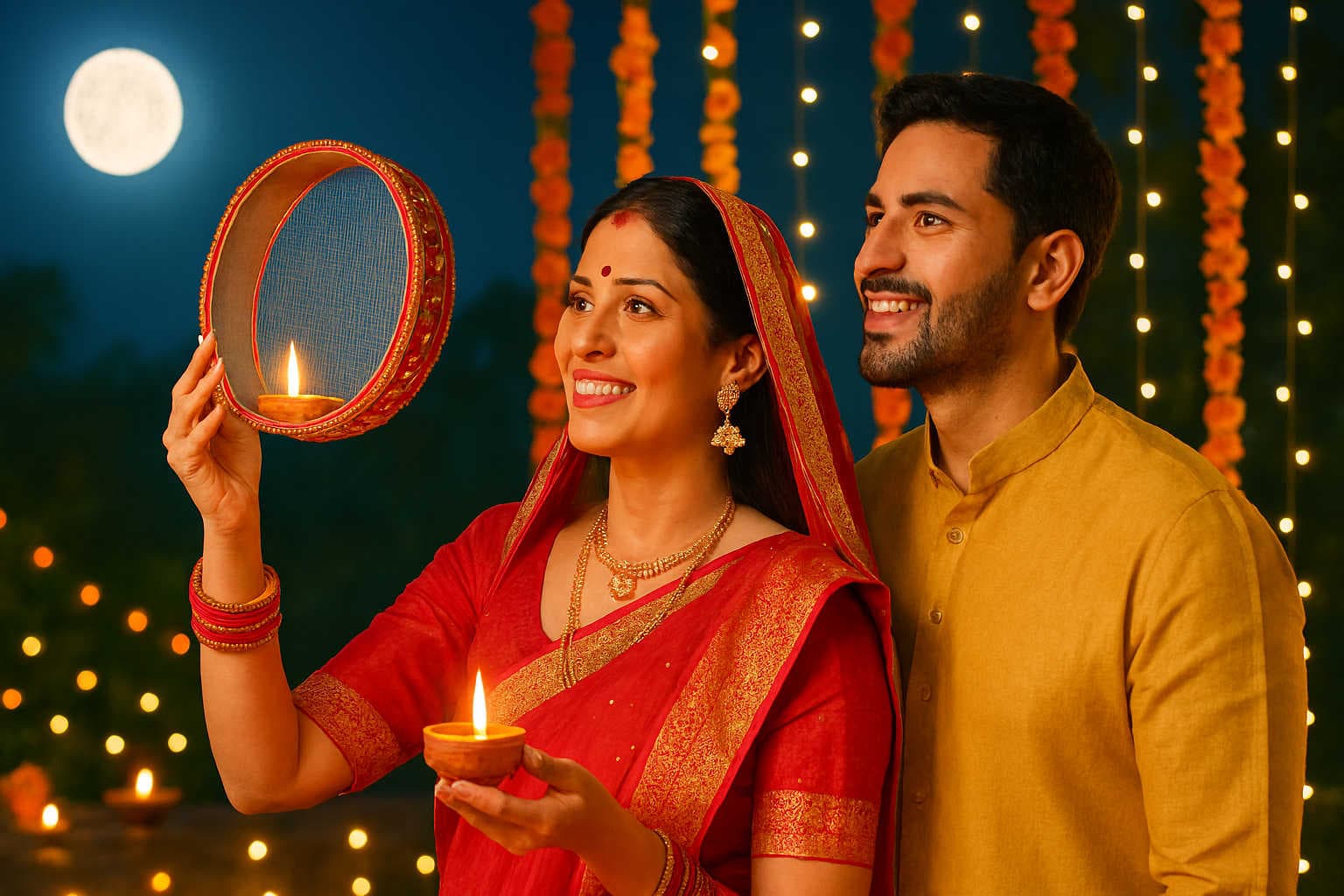
On this day, married women wake up before sunrise and consume a pre-dawn meal known as sargi, usually given by the mother-in-law. The fast begins at sunrise and continues without food or water until moonrise. In the evening, women gather to listen to the Karwa Chauth vrat katha (mythological story) and perform rituals with decorated karwas (earthen pots). Once the moon rises, women view it through a sieve, then look at their husbands, and finally break their fast after their husbands offer them water and the first bite of food.
While the rituals are beautiful, the festival’s essence comes alive in the mythological stories that explain why fasting on this day is considered so auspicious.
2. The Story of Queen Veeravati
The most widely narrated story behind Karwa Chauth is of Queen Veeravati.
Veeravati was a devoted wife who kept her first Karwa Chauth fast after marriage. Being unable to bear hunger and thirst, she fainted before moonrise. Out of concern, her brothers tricked her by creating a false reflection of the moon using a mirror. Believing the moon had risen, Veeravati broke her fast. Soon after, news arrived that her husband had died.
Distraught, Veeravati prayed to Goddess Parvati, who revealed that because she broke her fast prematurely, her husband’s life was cut short. However, due to her devotion and penance, the goddess restored his life. From then on, women observe Karwa Chauth with utmost sincerity, ensuring the long life of their husbands.
3. The Legend of Karwa
Another story involves a devoted wife named Karwa, who is believed to be the inspiration behind the festival’s name.
Karwa’s husband was once attacked by a crocodile while bathing in the river. With immense devotion, Karwa tied the crocodile with cotton yarn and prayed to Yama, the God of Death, to spare her husband’s life. Impressed by her loyalty and courage, Yama granted her wish and blessed her husband with a long life.
This tale signifies the power of a wife’s devotion and how fasting with faith can protect her husband from untimely death.
4. The Mahabharata Connection
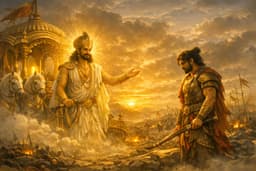
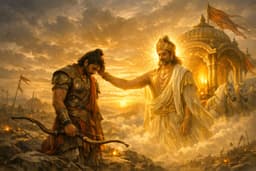
Karwa Chauth is also linked to the Mahabharata. According to one version, when Arjuna went to the Nilgiri mountains for penance, his wife Draupadi became anxious. She turned to Lord Krishna for guidance. Krishna reminded her of Goddess Parvati’s story of fasting for Lord Shiva and advised Draupadi to observe a fast for her husband’s safety. Draupadi followed this advice, and Arjuna’s penance was completed without obstacles.
This story shows that the fast is not just a ritual but also a form of divine protection for husbands.
5. The Story of Savitri and Satyavan
The tale of Savitri and Satyavan is often associated with Karwa Chauth’s significance. When Satyavan’s life was claimed by Yama, Savitri’s deep devotion and determination compelled Yama to restore his life. Though not directly linked to Karwa Chauth, this story symbolizes the power of a wife’s prayers in granting her husband longevity.
6. Symbolism of Karwa Chauth Fasting
Beyond mythology, the fasting ritual carries deep symbolism:
-
Devotion and Sacrifice: The fast shows a wife’s unconditional love and selflessness.
-
Discipline and Purity: Fasting without food or water strengthens inner willpower and is seen as spiritually purifying.
-
Auspicious Bond: The act of looking at the moon through a sieve symbolizes filtering out negativity and seeking only positivity and blessings for marital life.
7. Modern Relevance of Karwa Chauth
Today, Karwa Chauth has also evolved with changing times. While traditionally it was observed only by women, many modern couples practice mutual fasting, with husbands also fasting alongside their wives to express love and equality. Despite lifestyle changes, the essence remains the same—celebrating marriage, love, and the blessings of longevity.
Conclusion
Karwa Chauth is not merely a ritual of fasting but a festival deeply rooted in mythology, devotion, and symbolism. The stories of Queen Veeravati, Karwa, Draupadi, and Savitri all reinforce one truth—that the sincere prayers of a devoted wife can protect her husband and bless him with a long, prosperous life.
By observing Karwa Chauth, women do not just follow tradition; they embody centuries of faith, love, and spiritual strength. The festival remains a beautiful reminder that in Hindu culture, marriage is not just a social contract but a sacred bond nurtured through devotion and sacrifice.