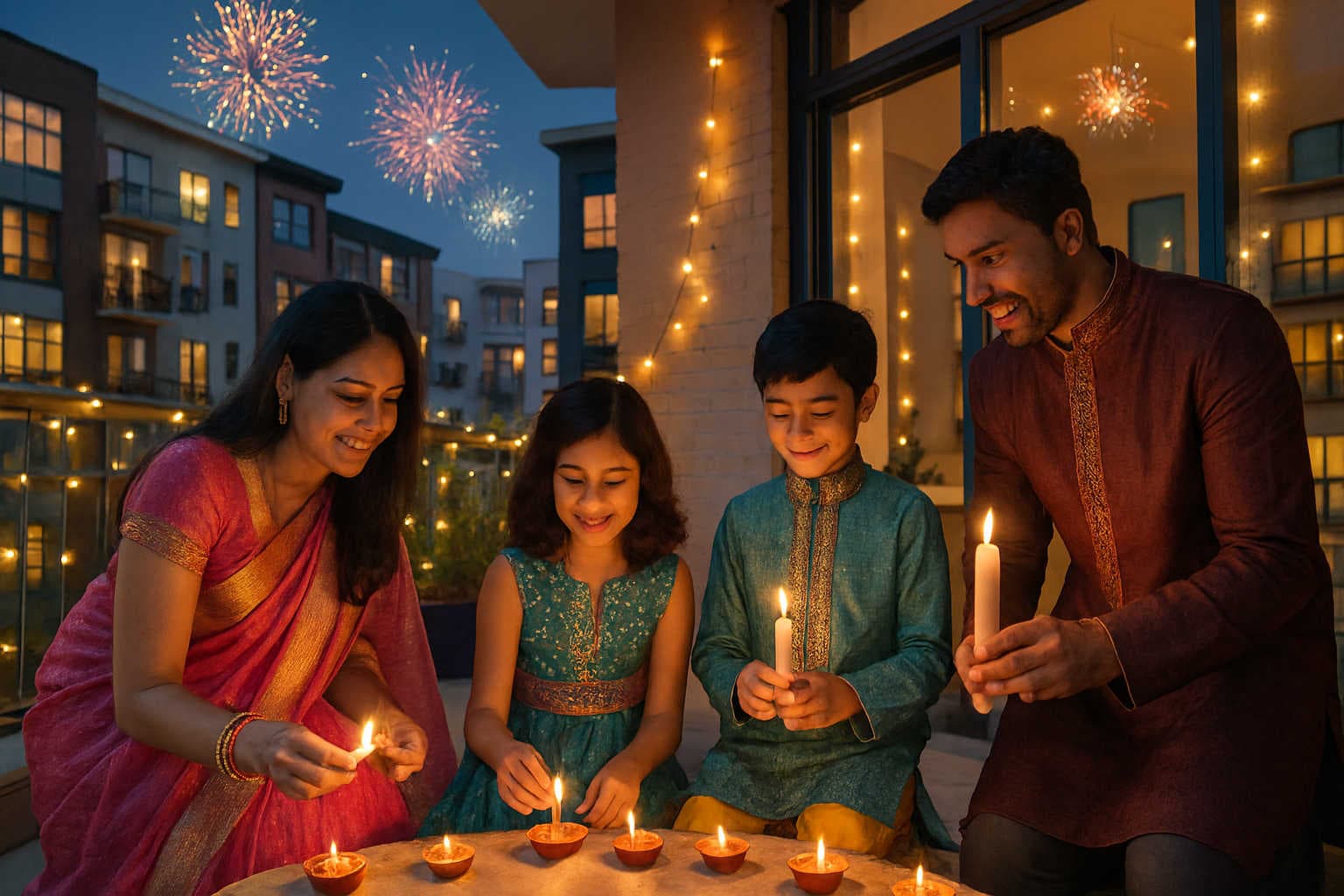
Celebrating Diwali Abroad – NRI Experiences
Diwali, the Festival of Lights, is one of the most important Hindu festivals, celebrated with grandeur and devotion across India. But for Non-Resident Indians (NRIs), Diwali often takes on a unique flavor when celebrated abroad. Far from home, yet deeply connected to their roots, Indians living overseas have found creative and heartfelt ways to keep the spirit of Diwali alive in foreign lands.
This article explores the experiences, challenges, and cultural adaptations of NRIs as they celebrate Diwali outside India.
1. Diwali as a Cultural Anchor for NRIs
For many NRIs, festivals like Diwali are more than just rituals—they are cultural anchors that keep them connected to their heritage. Amidst busy lives in foreign countries, celebrating Diwali becomes a way to preserve identity, pass down traditions to the younger generation, and create a sense of belonging in multicultural environments.
Children born abroad may not have firsthand experiences of Diwali in India, but through home celebrations, temple visits, and community gatherings, they are introduced to the values of family, light, and prosperity.
2. Community Celebrations and Gatherings
One of the most heartwarming aspects of Diwali abroad is the collective spirit of Indian communities. In cities like New Jersey, London, Toronto, Dubai, and Sydney, Indian associations and cultural groups organize Diwali melas (fairs), temple festivities, and stage performances.
These events include:
-
Lighting of diyas and candles.
-
Indian cultural programs like dance, drama, and bhajans.
-
Traditional food stalls offering sweets and snacks.
-
Fireworks displays where permitted.
Such gatherings create a home away from home for NRIs, allowing them to celebrate with the same vibrancy as in India.
3. Home Celebrations – Blending Tradition with Modernity
Within households, families make special efforts to recreate the Diwali spirit. Homes are cleaned and decorated with lights, torans (door hangings), and rangolis. Parents involve children in rituals like Lakshmi Puja, helping them understand the significance of devotion, prosperity, and gratitude.
However, NRIs often adapt traditions to their new environments:
-
Eco-friendly celebrations with LED diyas instead of oil lamps (due to fire safety regulations).
-
Virtual pujas for families whose priests conduct online rituals from India.
-
Fusion food menus combining Indian sweets with international cuisines, symbolizing the blending of cultures.
4. Challenges of Celebrating Abroad
Despite the enthusiasm, celebrating Diwali abroad comes with its own set of challenges:
-
Work and school schedules often clash with Diwali since it is not a public holiday in most countries. Many families celebrate in the evenings or on weekends.
-
Restrictions on fireworks in countries with strict safety laws.
-
Limited access to traditional items like diyas, puja samagri (ritual materials), or fresh mithai, though Indian grocery stores and online platforms have made this easier in recent years.
These challenges often inspire NRIs to innovate, making celebrations both meaningful and practical.
5. Sharing Diwali with the World
For many NRIs, Diwali is also an opportunity to share Indian culture with their international friends and neighbors. Children may take sweets to school, offices may host multicultural events, and families often invite non-Indian friends to experience rituals, food, and festivities.
This cultural exchange not only strengthens bonds but also spreads awareness of Indian traditions globally. In fact, several countries now recognize Diwali officially, with public celebrations in places like Times Square (New York), Trafalgar Square (London), and Federation Square (Melbourne).
6. Emotional Connection with India
For older generations, Diwali abroad is often filled with nostalgia. Many remember the bustling markets, the sound of crackers, and the joy of family gatherings back home. While overseas celebrations may not fully replicate these experiences, the emotional connection remains strong. Phone calls, video chats, and online gifting have become an integral part of Diwali for NRIs, bridging the distance with loved ones in India.
7. The New Face of Diwali Abroad
Interestingly, celebrating Diwali abroad has given it a new global dimension. It is no longer just a festival of the Indian diaspora—it is increasingly recognized as part of world culture. Cities illuminate landmarks with Diwali lights, governments acknowledge its significance, and global brands run Diwali campaigns.
For NRIs, this recognition is both a source of pride and an affirmation that their traditions are respected and valued.
Conclusion
Celebrating Diwali abroad may be different from celebrating it in India, but it carries the same essence—the triumph of light over darkness, knowledge over ignorance, and good over evil. For NRIs, Diwali becomes not just a religious occasion but also a reminder of their roots, a way to pass on culture to their children, and an opportunity to share Indian traditions with the world.
In the glow of diyas lit thousands of miles away from India, the spirit of Diwali shines just as bright, proving that festivals are not bound by geography—they live in the hearts of those who cherish them.