How Children Can Learn Values Through Hindu Festivals
Festivals are more than just colorful decorations, delicious foods, and joyous gatherings—they are living classrooms that teach values in subtle yet impactful ways. In Hindu culture, festivals are deeply woven with spiritual lessons, moral teachings, and social harmony. For children, participating in these festivals is not only fun but also an opportunity to absorb values that shape their character for life.
Let’s explore how Hindu festivals help children learn values through rituals, stories, and celebrations.
1. Respect for Nature and Environment
Festivals like Makar Sankranti, Chhath Puja, and Govardhan Puja highlight the worship of natural elements—sun, rivers, cows, and land. When children see families offering gratitude to nature, they understand the importance of respecting the environment and sustainable living. For example, flying kites on Makar Sankranti or offering water to the Sun teaches them that our survival is linked to nature’s blessings.
2. The Value of Gratitude and Sharing
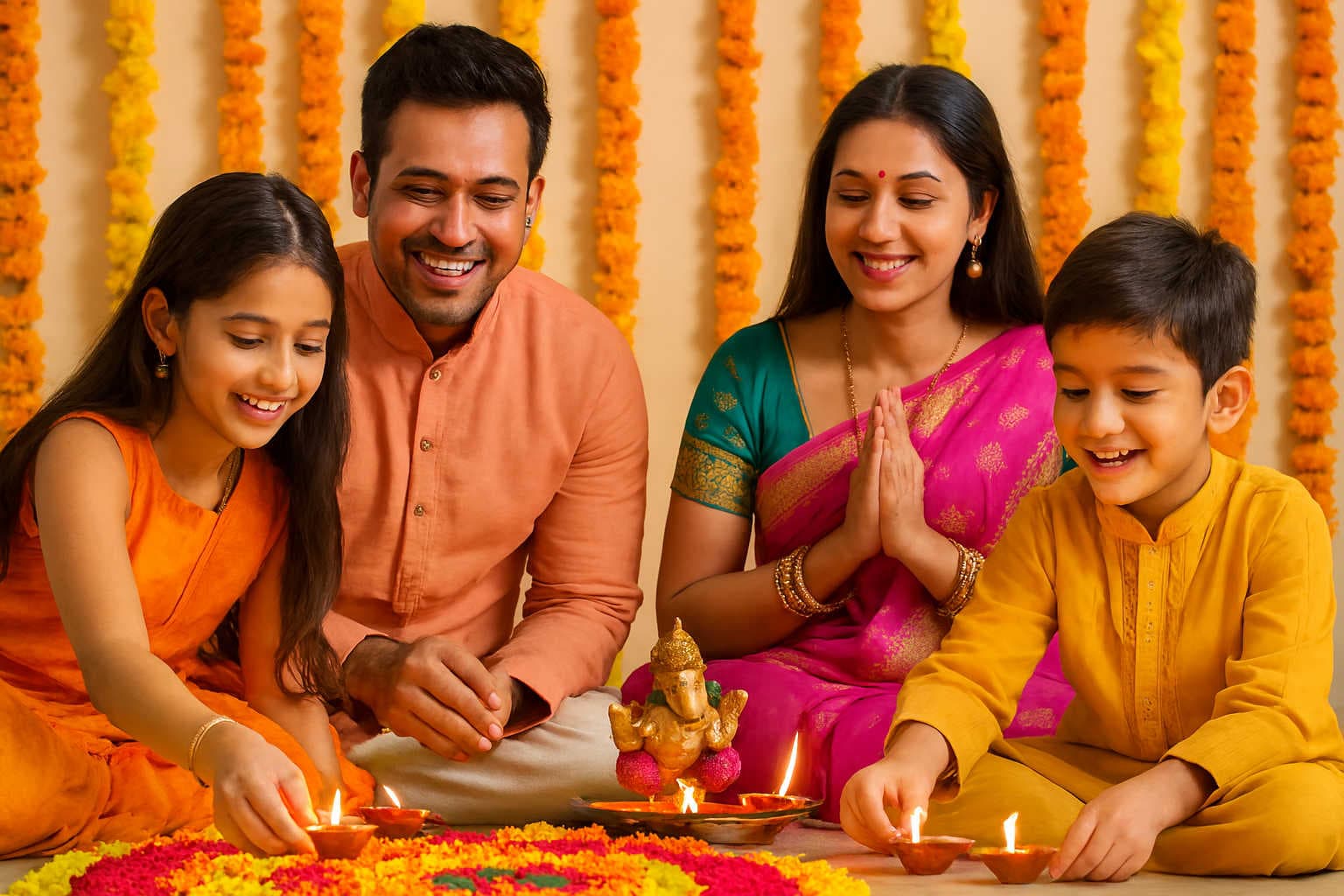
Diwali, one of the grandest Hindu festivals, is not only about lights and sweets but also about giving and sharing. Children witness elders distributing sweets to neighbors, relatives, and the less fortunate. By participating, they learn the joy of gratitude, generosity, and compassion. This simple act instills the idea that happiness multiplies when shared.
3. Respect for Elders and Family Bonding
Festivals like Raksha Bandhan, Bhai Dooj, and Janmashtami emphasize family relationships. During Raksha Bandhan, sisters tie a rakhi to their brothers, symbolizing protection and love. Through this ritual, children learn the value of respecting siblings, strengthening family bonds, and honoring responsibilities. Similarly, when they bow down to elders for blessings during Diwali or Navratri, they absorb the lesson of humility and respect.
4. The Power of Good over Evil
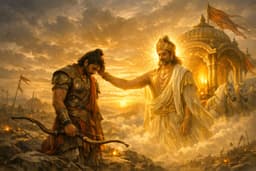
The stories behind festivals often carry deep moral lessons. For instance, Dussehra teaches children about the victory of Lord Rama over Ravana, symbolizing that truth and righteousness always prevail over falsehood and evil. Holi tells the story of Prahlada’s devotion and the destruction of Holika, highlighting faith and courage. When children hear and reenact these stories, they learn to distinguish between right and wrong.
5. Discipline and Self-Control
Many Hindu festivals involve fasting, such as Maha Shivratri, Ekadashi, and Navratri. While children may not observe strict fasts, watching their parents or elder siblings practice restraint gives them an understanding of discipline, patience, and self-control. Even small acts like refraining from certain foods or participating in prayer rituals help them develop endurance and responsibility.
6. Creativity and Teamwork
Festivals are also an avenue for children to express creativity—making rangolis during Diwali, crafting idols during Ganesh Chaturthi, or decorating puja spaces for Durga Puja. These activities often involve teamwork with siblings, friends, or family, teaching them the values of cooperation, collective effort, and appreciation of art and culture.
7. Faith and Spirituality
From chanting bhajans during Navratri to singing devotional songs in temples, children gradually develop a sense of faith and inner connection. Even if they don’t fully understand the deeper spiritual meanings at a young age, these practices nurture a foundation of belief, mindfulness, and respect for the divine.
8. Empathy and Compassion
Festivals like Pitru Paksha and Tulsi Vivah emphasize rituals of remembrance and offering, which help children understand empathy, honoring ancestors, and caring for traditions. Helping parents serve food to guests or donating clothes and food to the needy during Diwali fosters kindness and compassion.
9. Unity in Diversity
Hindu festivals are celebrated differently across India. For example, Diwali in North India focuses on Lord Rama’s return, while in South India it commemorates Lord Krishna’s victory over Narakasura. Children exposed to these variations learn the value of unity in diversity, realizing that different customs enrich the same spiritual essence.
10. Joy in Simplicity
Above all, festivals teach children that happiness doesn’t always come from material possessions. Lighting a small diya, playing dandiya with friends, or listening to mythological stories from grandparents are simple joys that build lifelong memories. This teaches them the value of contentment and appreciation for life’s small blessings.
Practical Tips for Parents
-
Involve children actively – Encourage them to light diyas, prepare prasad, or decorate puja spaces.
-
Tell them the stories – Narrate the mythological stories behind each festival in simple, engaging ways.
-
Teach by example – Children learn values best when they see parents practicing them.
-
Balance fun and meaning – Combine festive enjoyment with a short explanation of rituals and traditions.
Conclusion
Hindu festivals are timeless teachers of values—from respect for elders to compassion for the needy, from discipline to creativity. For children, these celebrations are more than annual events; they are opportunities to build character, strengthen cultural roots, and nurture a sense of spirituality.
When parents involve children meaningfully in festivals, they ensure that traditions are not just preserved but also lived with deeper understanding and purpose. In this way, festivals become not just cultural celebrations but guiding lights for the next generation.