Why Firecrackers Are Traditionally Used During Diwali
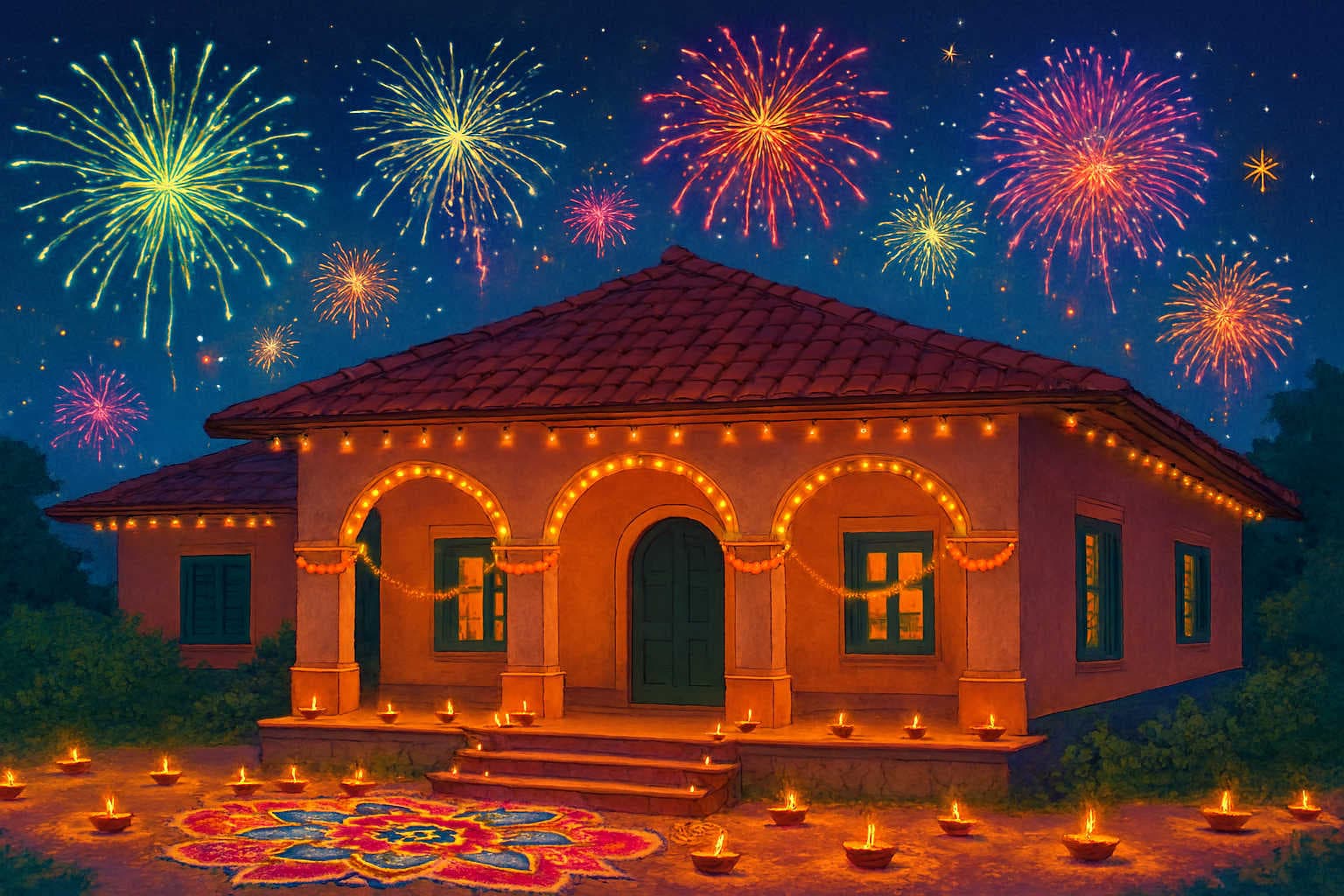
Diwali, the festival of lights, is celebrated with immense joy and grandeur across India and around the world. While diyas, rangoli, and sweets are central to the festivities, one element that has become almost synonymous with Diwali is the bursting of firecrackers. The dazzling lights, thunderous sounds, and vibrant celebrations have made them an inseparable part of the festival for centuries. But why exactly are firecrackers associated with Diwali? Are they simply a source of entertainment, or do they carry deeper cultural and spiritual significance?
Let’s explore the traditional reasons, historical roots, and symbolism of firecrackers during Diwali.
1. Symbol of Joy and Celebration
At its core, Diwali marks the victory of light over darkness, good over evil, and knowledge over ignorance. Bursting firecrackers became a way for communities to express joy and collective celebration.
-
The sounds of firecrackers represent happiness spreading across neighborhoods.
-
Just as diyas light up homes, fireworks light up the skies, symbolizing widespread festivity.
-
For children and families, firecrackers also became a way to bond and enjoy the excitement of the season.
2. Warding Off Evil Spirits
In Hindu traditions, loud sounds and bright lights are believed to drive away negative energies and evil spirits. Firecrackers, with their intense bursts of sound and light, are thought to cleanse the environment of inauspicious forces.
-
Belief: The noise of crackers scares away negative vibrations lingering in the atmosphere.
-
Symbolism: The crackling light of fireworks is seen as burning away evil and inviting auspiciousness.
This belief aligns with the overall theme of Diwali—removing darkness and welcoming divine energy.
3. Welcoming Goddess Lakshmi
Diwali is closely associated with the worship of Goddess Lakshmi, the goddess of wealth and prosperity. It is believed that she visits homes that are well-lit, decorated, and filled with positivity.
-
Firecrackers, alongside diyas, symbolize a grand welcome for the goddess.
-
The festive brightness is seen as guiding Lakshmi into households, ensuring blessings for the coming year.
-
The joyous noise of crackers is also considered a way to express gratitude for her arrival.
4. Celebrating the Return of Lord Rama
In many regions, Diwali is linked to the return of Lord Rama to Ayodhya after 14 years of exile and his victory over Ravana. According to legends, the people of Ayodhya lit lamps and created festive sounds to celebrate his homecoming.
-
Firecrackers are seen as a modern extension of those celebrations.
-
Just as lamps welcomed Rama, fireworks represent collective joy and honor of victory.
5. Ancient Link to Sound Energy and Health
Some traditional interpretations suggest that firecrackers were not only symbolic but also beneficial for health in earlier times.
-
The sound vibrations produced by crackers were believed to clear the air of insects and harmful elements, especially since Diwali falls at the onset of winter when mosquitoes and pests increase.
-
The sulfur in traditional crackers (though harmful in excess today) was thought to purify the atmosphere.
While modern firecrackers may not align with health-conscious living, the original intention tied both spirituality and practicality.
6. Community Bonding and Collective Festivity
Firecrackers, with their loud sounds, are almost impossible to enjoy alone—they are inherently communal. Bursting crackers together creates a sense of unity and shared celebration.
-
Children, families, and neighbors come together, reinforcing the spirit of community.
-
In ancient villages and towns, fireworks created a collective festive experience that strengthened bonds.
7. Transition into Modern Symbolism
Over time, firecrackers have also come to symbolize modern joy and festivity. The dazzling patterns of fireworks in the night sky resonate with the beauty of Diwali decorations and create unforgettable memories.
However, with growing awareness about pollution, many families are shifting to eco-friendly celebrations, choosing alternatives like:
-
Eco-friendly fireworks made with fewer chemicals.
-
Laser shows or diya lighting festivals to replace heavy firecracker usage.
-
Community crackers organized at one place to reduce environmental damage.
This shift shows that while traditions evolve, the symbolism of light, sound, and celebration remains intact.
Conclusion
Firecrackers in Diwali are more than just entertainment—they are deeply tied to spirituality, tradition, and collective joy. From scaring away negativity to welcoming prosperity, they hold symbolic value in the grand celebration of light.
Yet, as we celebrate today, it’s important to remember the original meaning behind the tradition and adapt it responsibly. The true spirit of Diwali lies not in the noise or smoke, but in the light that shines within us and around us.
By lighting diyas, spreading joy, and celebrating responsibly, we can preserve the essence of Diwali while also protecting our environment. After all, the festival is not just about fireworks in the sky but also about illuminating hearts with love, peace, and happiness.