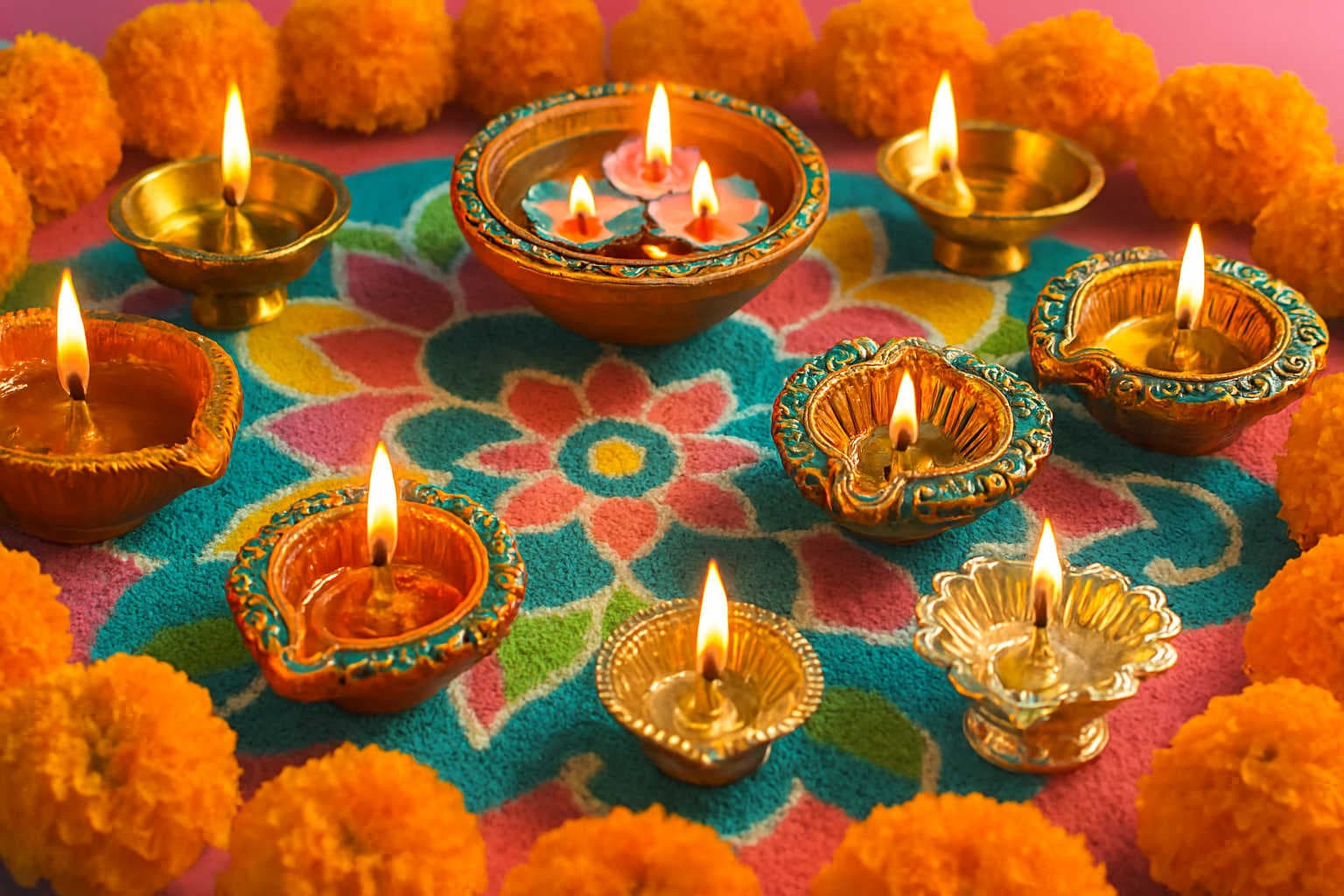
Significance of Different Types of Diyas
The diya, or traditional oil lamp, is one of the most sacred symbols in Hinduism. Lit with ghee or oil, diyas hold a special place during Diwali, Navratri, and various pujas. They represent the victory of light over darkness, knowledge over ignorance, and positivity over negativity. But did you know that there are different types of diyas, each with its own spiritual and cultural significance?
Lighting diyas is not just a ritual but a way to connect with divine energy. Every type of diya carries a unique meaning and is used for specific purposes in Hindu worship. Let us explore the significance of these different diyas.
1. Clay Diyas (Mittika Deep)
The most common and traditional form of diya is made of clay. Simple yet powerful, these diyas are widely used during Diwali and other festivals.
-
Spiritual Significance: Clay represents the Earth element, grounding us to nature. Lighting clay diyas is believed to purify the surroundings and attract divine blessings.
-
Usage: Often filled with mustard oil or ghee, they are placed in every corner of the home to drive away darkness.
-
Why special: Since clay diyas are eco-friendly, they dissolve back into the earth after use, symbolizing the cycle of life.
2. Brass Diyas (Peetal Deepam)
Brass diyas are long-lasting and often seen in temples and homes for daily pujas. Their shine and durability make them auspicious.
-
Spiritual Significance: Brass is linked to positive vibrations and is believed to attract prosperity. Lighting a brass diya is said to increase concentration during meditation.
-
Usage: Ideal for daily rituals, brass diyas are usually lit with ghee or sesame oil.
-
Why special: Brass diyas are passed down as family heirlooms, symbolizing continuity of tradition.
3. Silver Diyas (Chandi Deepam)
Silver diyas are considered extremely auspicious and are often used during Lakshmi Puja, weddings, and special occasions.
-
Spiritual Significance: Silver is connected with Goddess Lakshmi, the goddess of wealth and purity. Lighting a silver diya is believed to invite prosperity and peace into the household.
-
Usage: Usually small in size, silver diyas are filled with ghee and lit before idols or in the temple room.
-
Why special: Owning and lighting silver diyas is seen as a sign of abundance and devotion.
4. Panchmukhi Diyas (Five-Wick Lamps)
These diyas have five faces or wicks and are often used in temples or during grand rituals.
-
Spiritual Significance: The five flames represent the five elements of nature—earth, water, fire, air, and space. Together, they balance energies and create spiritual harmony.
-
Usage: Panchmukhi diyas are lit during aarti or while chanting mantras.
-
Why special: Lighting this diya is believed to remove negativity and bring balance in life.
5. Floating Diyas
Floating diyas, usually made of lightweight clay, wax, or decorated holders, are placed in bowls of water or ponds during festivals.
-
Spiritual Significance: Floating diyas symbolize hope, wishes, and prayers being carried to the divine.
-
Usage: Commonly used during Diwali or Kartik Purnima, floating diyas are released into rivers or water bodies.
-
Why special: They create a magical visual effect and symbolize letting go of negativity.
6. Decorative Diyas
Modern times have introduced beautifully designed diyas with colors, stones, and patterns. While they may not carry ancient significance, they bring artistic beauty to the festival.
-
Spiritual Significance: Decorative diyas represent creativity and celebration of life.
-
Usage: Used to enhance the festive decoration of homes and puja setups.
-
Why special: They blend tradition with modern aesthetics, appealing to younger generations.
7. Akhand Jyoti (Unbroken Flame Lamp)
This is a diya that is kept burning continuously, especially during Navratri or Diwali.
-
Spiritual Significance: The unbroken flame represents eternal energy, divine presence, and unwavering devotion.
-
Usage: Usually placed in the temple room, filled with ghee, and kept burning for days.
-
Why special: It symbolizes protection and the constant presence of positivity in the household.
Conclusion
The diya is more than just a lamp—it is a messenger of light, knowledge, and divinity. Whether it is a simple clay diya, a shining brass lamp, or a sacred silver diya, each type carries its own meaning and significance.
To summarize:
-
Clay diyas connect us with nature.
-
Brass diyas bring prosperity and durability.
-
Silver diyas invite wealth and purity.
-
Panchmukhi diyas balance the five elements.
-
Floating diyas symbolize hope and wishes.
-
Decorative diyas bring creativity and joy.
-
Akhand Jyoti represents eternal devotion.
By choosing the right diya for the right occasion, you not only beautify your festival but also strengthen the spiritual energy in your life. The next time you light a diya, remember—it is not just a flame, but a connection with the divine.