Why Women Observe Hartalika Teej Vrat
Hartalika Teej is one of the most significant festivals for Hindu women, celebrated with devotion, fasting, and joyous traditions. Observed primarily in North India and Nepal, this festival is dedicated to Goddess Parvati and Lord Shiva, symbolizing love, commitment, and marital harmony. Women observe the Hartalika Teej Vrat (fast), staying without food and even water in many traditions, as a way of expressing devotion and seeking blessings for a happy married life.
But why do women undertake this vrat with such sincerity? To understand, we must explore the story behind it, the rituals observed, and the deep spiritual meaning hidden within.
The Legend Behind Hartalika Teej
The word Hartalika comes from two Sanskrit words – harit (to take away) and aalika (a female friend). According to legend, Goddess Parvati’s father, Himalaya, had promised her marriage to Lord Vishnu. But Parvati, deeply devoted to Lord Shiva, wished to marry him alone.
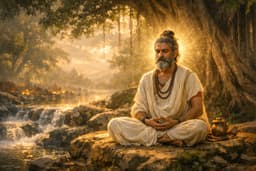
On the eve of her proposed marriage to Vishnu, Parvati’s close friend abducted her and took her to a dense forest so she could avoid the marriage. There, Parvati performed intense penance by crafting a Shiva lingam out of clay and worshipping it with full devotion. Impressed by her austerity, Lord Shiva appeared and accepted her as his consort.
Thus, Hartalika Teej marks the divine union of Shiva and Parvati, and women observe the vrat to seek similar marital happiness and devotion.
Why Women Observe Hartalika Teej Vrat
-
For Marital Bliss – Married women fast and pray for their husband’s long life, prosperity, and well-being.
-
For an Ideal Life Partner – Unmarried women observe the vrat with the belief that Goddess Parvati will bless them with a devoted husband like Lord Shiva.
-
For Self-Purification – The vrat, observed without food or water (nirjala vrat), is considered a form of tapasya (penance) that purifies the mind and body.
-
For Devotion and Strength – By connecting with Parvati’s story of determination, women draw inner strength and deepen their spiritual connection.
-
For Family Harmony – Women believe that the vrat brings peace, unity, and happiness to the family.
Rituals of Hartalika Teej Vrat
-
Sankalp (Resolution) – Women take a vow to observe the fast with devotion.
-
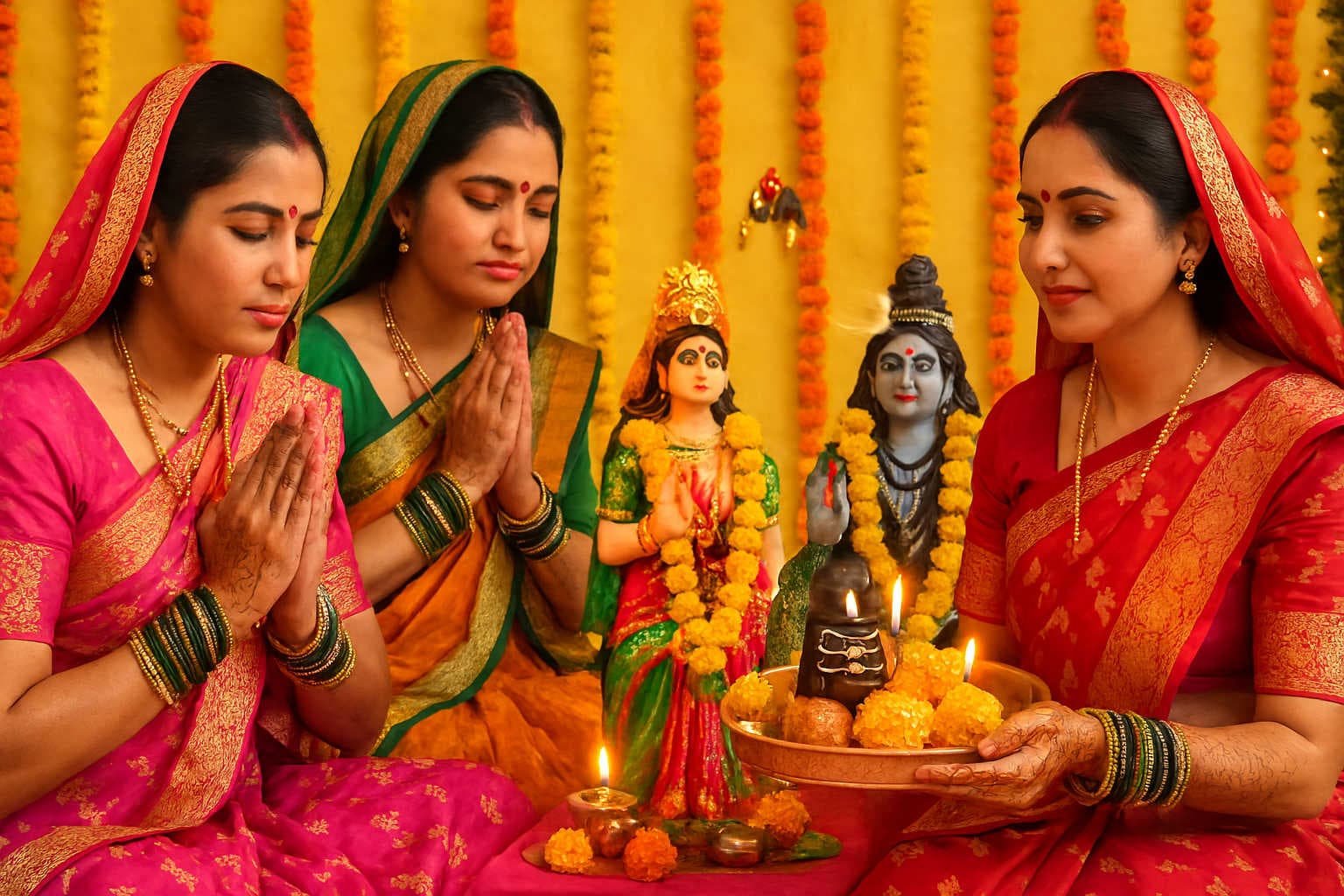
Puja Preparations – Idols or clay images of Lord Shiva and Goddess Parvati are decorated beautifully, along with flowers, kumkum, mehendi, and green bangles.
-
Fasting – Many women observe nirjala vrat, abstaining from both food and water until the next morning after prayers.
-
Jagran (Night Vigil) – Devotees stay awake at night, singing devotional songs, bhajans, and kirtans in honor of Shiva and Parvati.
-
Morning Puja – The next day, women perform puja, offer fruits, flowers, and sweets to the deities, and break their fast after rituals.
The Symbolism of Hartalika Teej
-
Green Attire & Bangles – Symbolize fertility, prosperity, and new beginnings.
-
Mehendi (Henna) – Represents love, joy, and beauty.
-
Fasting – Signifies discipline, faith, and sacrifice.
-
Parvati’s Penance – Teaches perseverance, devotion, and determination in achieving what the heart desires.
Regional Celebrations of Hartalika Teej
-
North India – Celebrated in states like Uttar Pradesh, Madhya Pradesh, Rajasthan, and Bihar with great enthusiasm. Women sing folk songs and perform group pujas.
-
Nepal – Considered one of the most important festivals for women, marked with processions, singing, and fasting.
-
Maharashtra – Women worship clay idols of Shiva and Parvati, often decorating them with fresh flowers and ornaments.
Despite regional variations, the essence remains the same: devotion to Goddess Parvati and prayers for marital harmony.
Spiritual Significance of the Vrat
Hartalika Teej vrat is not just about fasting—it represents faith, patience, and divine energy. Just as Goddess Parvati’s determination led her to unite with Shiva, women observing the vrat reaffirm their strength, inner discipline, and connection with the divine feminine power.
It also symbolizes that true love and devotion can overcome worldly obstacles, and that spiritual austerity leads to fulfillment.
Conclusion
Hartalika Teej vrat is much more than a ritual—it is a celebration of devotion, love, and divine blessings. Whether married or unmarried, women who observe this vrat connect deeply with Goddess Parvati’s story of courage and unwavering faith.
By fasting, praying, and honoring this sacred tradition, women not only express love for their families but also celebrate the essence of spiritual strength and feminine devotion. In a way, Hartalika Teej reminds us all that with faith and perseverance, one can achieve both worldly happiness and divine grace.