The Spiritual Meaning of Offering Water to Sun on Chhath Puja
Chhath Puja is one of the most unique and spiritually powerful festivals in Hinduism, celebrated primarily in Bihar, Jharkhand, Uttar Pradesh, and Nepal. Dedicated to Surya Dev (the Sun God) and Chhathi Maiya (Goddess Usha), this festival revolves around purity, devotion, and gratitude. The central ritual of Chhath Puja is the offering of Arghya (water and prayers) to the rising and setting sun.
But why is water offered to the Sun? What is the spiritual significance of this act? To understand, we need to explore the symbolism of water, light, and energy in Hindu philosophy.
The Importance of the Sun in Hinduism
The Sun is considered the source of life, health, and energy. In the Vedas, Surya is described as the destroyer of darkness, the witness of all actions (Karma Sakshi), and the nourisher of all beings. Worshipping the Sun is believed to:
-
Remove negative energy.
-
Grant health, prosperity, and vitality.
-
Cleanse the mind and body.
-
Connect humans with cosmic energy.
This is why Sun worship has been a central practice since Vedic times.
Why Water is Offered During Chhath Puja
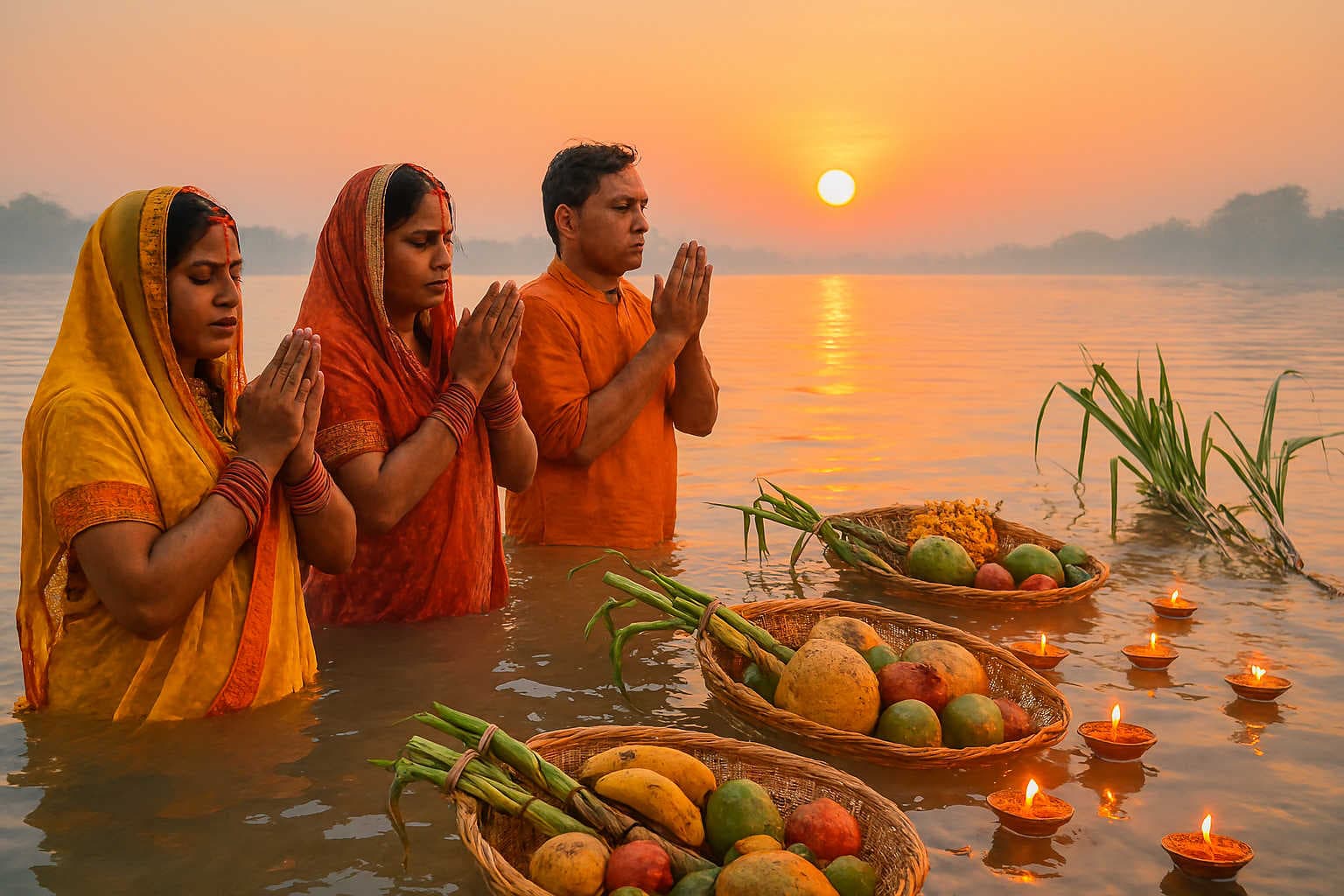
During Chhath, devotees stand in rivers, ponds, or water bodies and offer Arghya—a ritual of pouring water from a vessel towards the Sun. Spiritually, this act holds several layers of meaning:
-
Symbol of Gratitude – Water represents life. Offering it to the Sun symbolizes thanking the cosmic source of energy that sustains all beings.
-
Transmission of Energy – Scientifically, when water is poured, it refracts the rays of the Sun. Devotees believe this creates a direct flow of divine energy into their bodies, cleansing the aura.
-
Purity and Surrender – Standing in water with folded hands reflects humility and surrender before the divine forces of nature.
-
Balance of Elements – Water and Sun together symbolize the union of two essential life elements—Jal Tatva (water) and Agni Tatva (fire). This balance is key to harmony in life.
-
Spiritual Awakening – Offering Arghya at sunrise and sunset symbolizes the cycle of life—birth and death, beginnings and endings—and aligns the devotee with the eternal rhythm of the universe.
Rituals of Offering Arghya
-
Nahay-Khay (Purification) – Devotees begin with bathing in a river and preparing a sattvic meal.
-
Kharna (Fasting with Prasad) – On the second day, they observe a day-long fast, broken only after sunset with kheer and fruits.
-
Sandhya Arghya (Evening Offering) – Devotees stand waist-deep in water at sunset, offering prayers to the setting Sun, acknowledging the end of the day and the cycle of life.
-
Usha Arghya (Morning Offering) – On the final day, prayers are offered to the rising Sun, symbolizing new beginnings, hope, and vitality.
The Spiritual Symbolism of Sunrise and Sunset Worship
-
Sunset Worship – Represents letting go, surrender, and acceptance. Devotees thank the Sun for nourishment and reflect on life’s impermanence.
-
Sunrise Worship – Symbolizes renewal, rebirth, and the endless possibilities of a new day. It infuses devotees with hope, strength, and divine energy.
By offering water at both times, devotees align themselves with the cycle of creation and dissolution, mirroring the eternal cosmic truth.
Chhath Puja and Inner Discipline
Fasting and standing in water for hours are not just rituals—they are spiritual disciplines. These practices develop:
-
Patience – Standing still in water requires physical endurance and mental focus.
-
Purity – Observing strict fasts and avoiding negative emotions cleanses the soul.
-
Surrender – Trusting the cosmic powers and letting go of personal ego brings peace.
-
Connection with Nature – Worshipping under the open sky, in natural water bodies, reconnects humans with the environment.
Scientific Insights Behind Offering Water to Sun
Interestingly, the ritual also has health benefits:
-
The early morning rays of the Sun are rich in Vitamin D and energize the body.
-
Pouring water while gazing at the Sun reduces eye strain and improves focus.
-
The ritual breathing while standing in water improves circulation and detoxifies the body.
-
The practice calms the mind, reducing stress and anxiety.
This blend of spirituality and science makes Chhath Puja a holistic festival.
Conclusion
Offering water to the Sun during Chhath Puja is not just a ritual—it is a deeply spiritual act of gratitude, balance, and awakening. It reminds us that the Sun, the eternal life-giver, is the symbol of truth, discipline, and energy. By standing in water and surrendering to its light, devotees purify themselves and connect to the eternal cycle of life.
Chhath Puja thus teaches us that true worship is not about grand offerings, but about sincerity, humility, and harmony with nature. The act of offering water to the Sun is both a prayer and a reminder that we are all part of the cosmic flow of energy, sustained by the union of light and water.