How to Practice Sanatan Dharma in Your Daily Routine
Sanatan Dharma, often called the eternal way of life, is more than a religion—it is a philosophy that guides individuals toward righteous living, self-discipline, and spiritual awareness. Practicing Sanatan Dharma does not require grand rituals or elaborate ceremonies. Instead, it focuses on simple, consistent actions that bring harmony to the mind, body, and soul. By integrating these timeless teachings into daily routines, individuals can cultivate peace, clarity, and spiritual strength while managing everyday responsibilities.
Understanding the Essence of Sanatan Dharma
Sanatan Dharma emphasizes principles such as Dharma (righteous duty), Karma (action), Satya (truthfulness), and Ahimsa (non-violence). These principles help individuals lead ethical and meaningful lives. Practicing Sanatan Dharma begins with awareness of one's responsibilities toward family, society, and nature.
Living according to Dharma means making decisions based on honesty, compassion, and fairness. Even small acts, such as speaking kindly, respecting elders, helping those in need, and practicing gratitude, are considered spiritual practices. These daily habits gradually shape character and create a sense of purpose.
Starting the Day with Spiritual Awareness
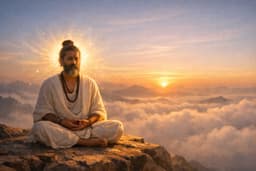
Morning time holds great importance in Sanatan Dharma. Waking up early, preferably before sunrise, helps create a peaceful and focused mindset. This early period is traditionally considered ideal for spiritual activities because the surroundings are calm and the mind is less distracted.
After waking up, expressing gratitude for life and health sets a positive tone for the day. Many practitioners begin their routine by offering respect to Mother Earth before stepping out of bed. Personal cleanliness, including bathing and wearing fresh clothes, is also considered an essential step before prayer.
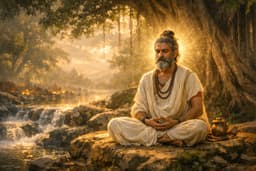
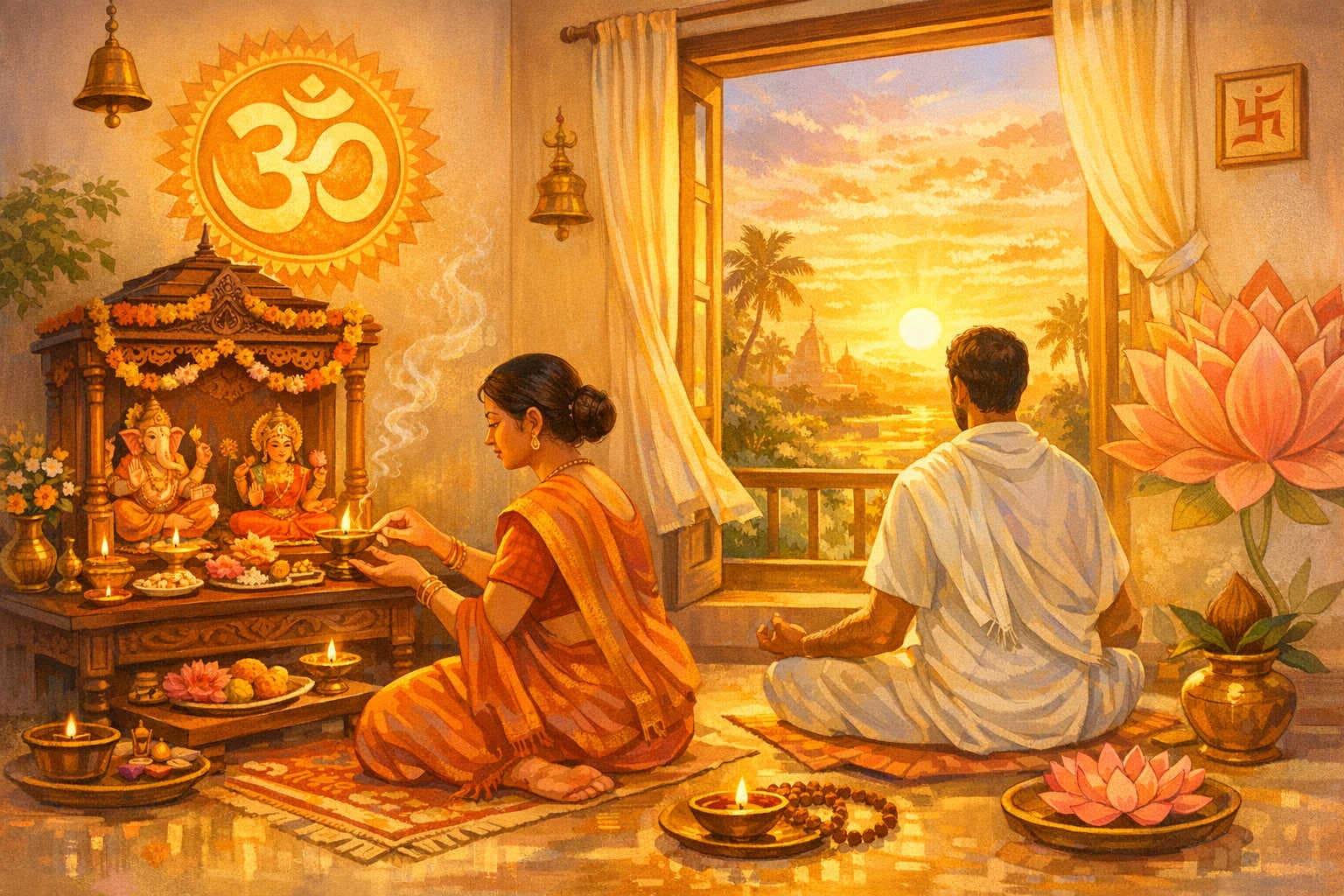
Lighting a diya (oil lamp) and offering prayers creates a sacred atmosphere at home. Chanting simple mantras such as Om or the Gayatri Mantra helps calm the mind and improve concentration. Practicing meditation and pranayama (breathing exercises) for a few minutes daily strengthens mental clarity and emotional stability.
Living Dharma Through Daily Actions
Sanatan Dharma teaches that spirituality is expressed through actions. Performing duties sincerely and responsibly is considered a form of worship. This principle aligns with the idea of Karma Yoga, which encourages selfless action without expecting rewards.
Helping others is an important part of daily life. Serving parents, assisting neighbors, and contributing to community welfare create harmony and strengthen relationships. Acts of charity, known as Dana, promote generosity and compassion.
Mindfulness during meals is also encouraged. Offering gratitude before eating acknowledges the efforts of farmers, cooks, and nature itself. Consuming fresh and balanced food supports physical health and mental clarity. Avoiding food wastage reflects respect for natural resources.
Creating a Sacred Space at Home
Maintaining a clean and organized home environment is considered a spiritual responsibility. A dedicated prayer space or altar helps maintain focus and discipline. This area may include images or idols of deities, incense sticks, flowers, and sacred texts.
Lighting incense or a diya during the evening symbolizes the removal of negativity and the welcoming of positive energy. Families may gather for short prayers or devotional singing, strengthening emotional bonds and creating a sense of unity.
Reading sacred scriptures for a few minutes daily encourages reflection and wisdom. These teachings provide guidance on handling challenges with patience and courage, helping individuals make thoughtful decisions in daily life.
Practicing Self-Control and Discipline
Self-control is a key teaching of Sanatan Dharma. Managing emotions such as anger, jealousy, and impatience helps maintain peace within oneself and in relationships. Practicing patience and speaking gently are simple yet powerful forms of discipline.
Avoiding negative speech, gossip, and harmful actions protects mental clarity and strengthens character. Observing short periods of silence can improve concentration and enhance self-awareness.
Yoga is an integral part of daily practice. Regular yoga sessions improve physical health, flexibility, and strength. When combined with meditation, yoga supports emotional balance and spiritual growth.
Observing Sacred Days and Festivals
Festivals and fasting days hold special importance in Sanatan Dharma. Observing fasts on certain days encourages discipline and helps cleanse the body and mind. These practices remind individuals of spiritual values and encourage self-reflection.
Participating in festivals strengthens cultural connections and promotes unity among families and communities. Celebrations often include prayers, sharing meals, and storytelling that teaches moral lessons and traditions.
Temple visits or attending spiritual gatherings provide opportunities to learn from experienced teachers and connect with others who share similar values.
Ending the Day with Reflection
Nighttime reflection is an important practice in Sanatan Dharma. Before going to sleep, reviewing daily actions helps identify mistakes and areas for improvement. Acknowledging shortcomings and resolving to do better strengthens personal growth.
Offering gratitude at the end of the day promotes peace of mind and emotional balance. Chanting a short mantra or prayer before sleep helps calm the mind and prepares the body for restful sleep.
Forgiveness is another important practice. Letting go of anger or resentment helps maintain inner peace and strengthens relationships with others.
Conclusion
Practicing Sanatan Dharma in daily life is about consistency and sincerity rather than complexity. Small, meaningful actions performed with devotion can transform ordinary routines into spiritual practices.
By waking up with gratitude, performing duties responsibly, helping others, and reflecting at night, individuals can create a balanced and peaceful lifestyle. Sanatan Dharma teaches that spirituality is not separate from daily life—it exists in every action, thought, and intention.
When practiced regularly, these timeless habits nurture discipline, compassion, and wisdom. Integrating Sanatan Dharma into everyday routines allows individuals to experience both inner fulfillment and harmony with the world around them.